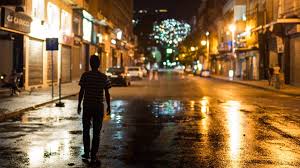
As the summer of 2012 unfolded across Damascus, the city became a battleground not of grand gestures but of quiet desperation. This was the period when Syria’s revolutionary movement began to fracture under the weight of state violence and internal divisions. The narrative of a successful uprising was replaced by a reality of displacement, fear, and fragmented resistance. In July 2012, the gates of hell opened in Damascus, revealing the messy, human cost of revolution.
Living in the shadow of constant bombardment, residents like Amer, a Christian painter, found their lives upended by the conflict. His studio, once a haven for artists and friends, became a refuge from the chaos. Every night, the sound of distant explosions and gunfire echoed through the streets, turning familiar places into zones of uncertainty. The mountain where they once gathered for coffee and conversation now housed a military no-go zone, symbolizing how the revolution's initial optimism gave way to a more brutal reality.
The summer of 2012 marked a critical juncture in Syria’s democratic uprising. While the government initially suppressed opposition through armed militias, the movement quickly fractured into competing factions. What began as a call for change evolved into a struggle for survival, where personal relationships and community bonds were tested by the relentless violence.
Despite the overwhelming challenges, some individuals maintained a sense of hope. The atmosphere in Damascus shifted with a mix of energy and anxiety, reflecting the complex emotional landscape of those living through the conflict. Residents described moments of resilience, such as community-led efforts to provide shelter and support to displaced families. However, this resilience often came at the cost of personal safety and stability.
One resident recounted how the city's infrastructure collapsed under the strain of prolonged conflict. Roads became inaccessible, water supplies dwindled, and communication networks were disrupted. These challenges were not isolated incidents but systemic consequences of the conflict's escalation.
As the conflict deepened, the initial promise of a peaceful transition faded. The revolution’s trajectory shifted from hope to a more fragmented and violent reality. This period highlighted the difficulty of sustaining a movement that spans diverse ideologies and social groups. The human element—love, fear, and the struggle to maintain normalcy—became central to understanding the true nature of revolution.
Reflecting on the aftermath, it is clear that the revolution's true cost was not measured in battlefield victories but in the erosion of everyday life. The quiet moments of resistance, such as the preservation of cultural spaces and the persistence of personal connections, revealed the fragile nature of hope in the face of systemic collapse.