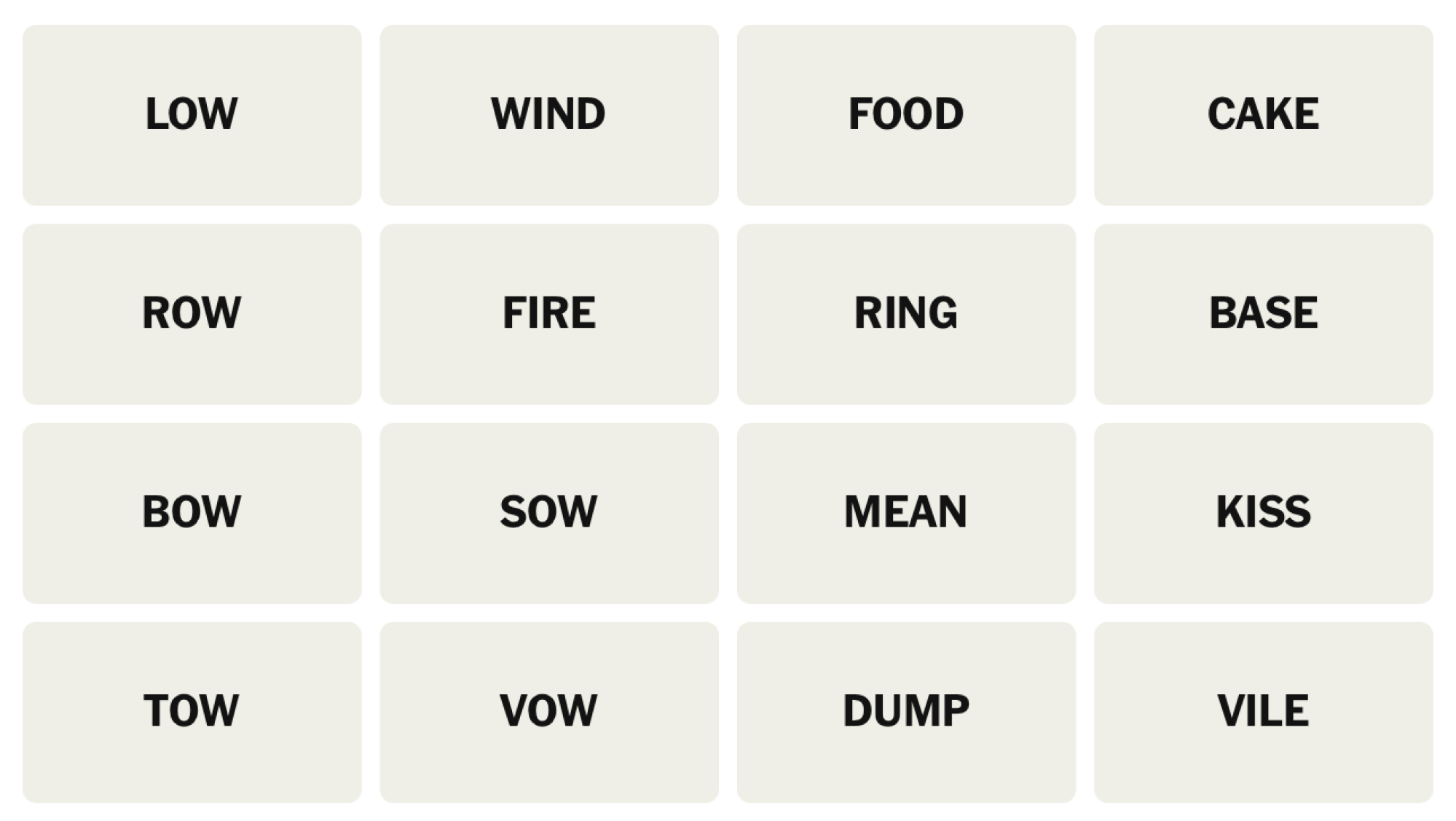
As the digital world continues to evolve, the humble Connections puzzle has become a powerful metaphor for understanding how information and people connect across platforms. On March 31, 2026, the New York Times’ Connections puzzle (a.k.a. Connections Today) offered a glimpse into the complex interplay of digital networks, data flows, and human behavior. This puzzle, updated daily, challenges players to group four words into meaningful categories, revealing subtle patterns that mirror the real-world dynamics of modern communication.
Why Does This Puzzle Matter?
The Connections puzzle isn’t just a game—it’s a microcosm of how we organize information in an increasingly fragmented digital landscape. By requiring players to identify relationships between words, it mirrors the way algorithms and networks structure our online experiences. For instance, the puzzle’s March 31, 2026, solution (Category #1024) highlighted the tension between fragmentation and integration in digital ecosystems—a theme that resonates with today’s debates on data privacy, social media algorithms, and the speed of information dissemination.
On that day, the puzzle’s categories revealed how digital connections can be both unified and divergent. One category grouped words related to networking (e.g., node, edge, graph, algorithm), reflecting the technical foundations of online architecture. Another focused on human interaction (e.g., collaboration, trust, empathy, community), illustrating the emotional dimensions of digital engagement.
What Makes This Puzzle Unique?
The March 31, 2026, puzzle was particularly noteworthy for its emphasis on contextual awareness. Unlike traditional puzzles, it incorporated real-time data about emerging trends in digital behavior. For example, the category for digital identity included words like anonymity, authenticity, and reputation, which reflect the evolving nature of online personas and how they shape user experience.
- Words like algorithm and node highlight the technical infrastructure of online interactions
- The trust category reveals the delicate balance between transparency and security in digital ecosystems
- Categories like human connection emphasize the emotional depth of digital relationships
These elements are not just puzzle mechanics—they’re reflections of the real-world challenges we face in managing digital identity and networked behavior. The puzzle’s focus on context-driven categorization mirrors the growing need for nuanced understanding in a world where data and relationships are constantly evolving.