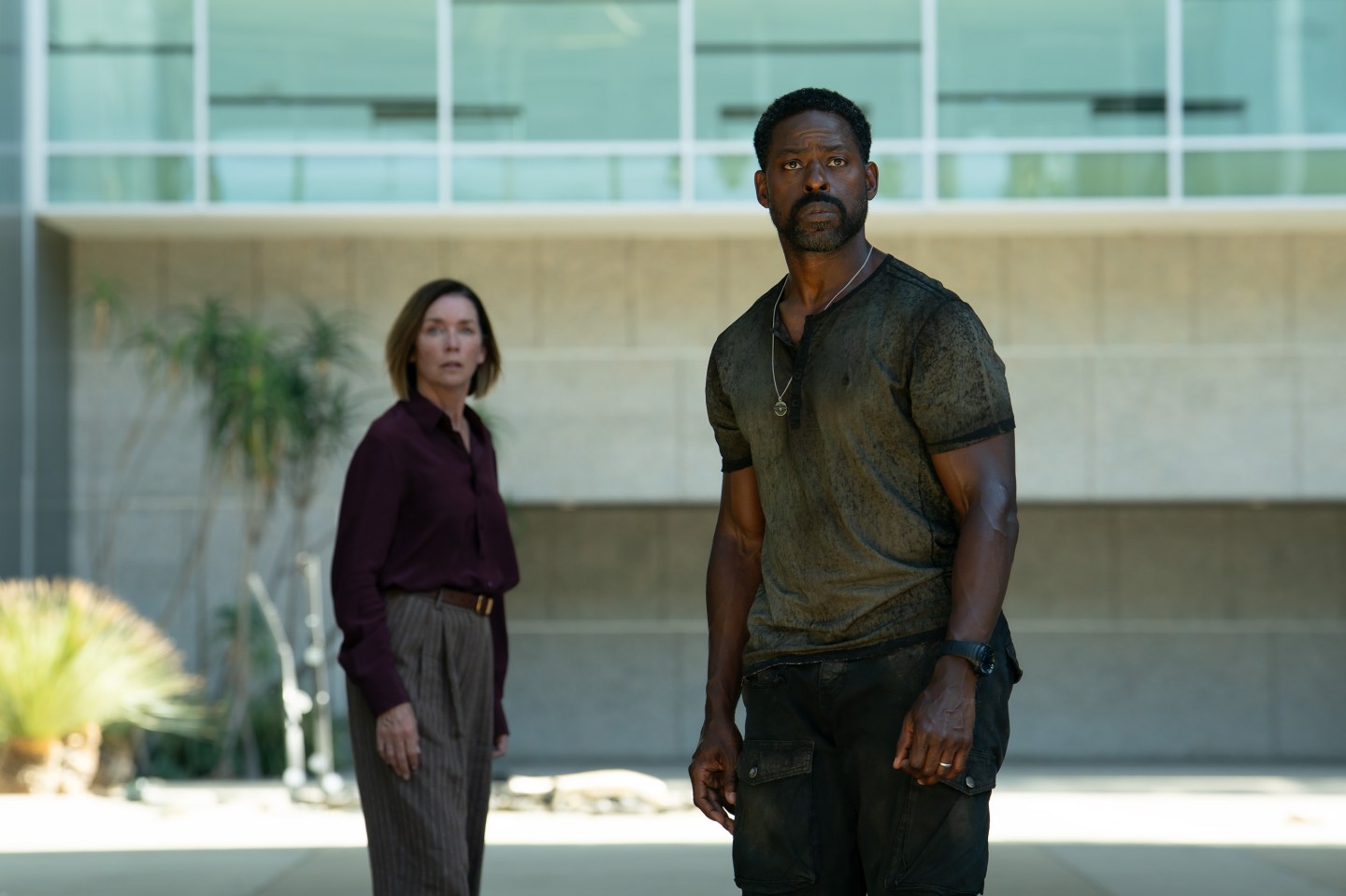
As the curtain falls on 'Paradise' Season 2, Episode 8, 'Exodus,' fans are left with a finale that defies conventional storytelling, blending hard science with emotional depth to redefine the show's narrative trajectory. The episode's decision to reset the timeline—returning to the starting point of Season 1—has sparked intense debate about its purpose and implications.
Why Does 'Paradise' End Where It Began?
The show’s creators deliberately chose to end the second season exactly where it began, a move that echoes the show's original premise: a community rebuilding from chaos. This circular structure isn’t just a narrative device—it’s a deliberate reflection of the show’s core theme: perpetual renewal. Unlike traditional TV finales, this decision avoids a 'climax' in favor of a reset, allowing characters to confront the very origins of their struggles.
Julianne Nicholson’s character, Sinatra, embodies this cyclical nature. In an exclusive interview, she revealed that the writers intentionally designed the ending to highlight the cyclical nature of trauma and resilience. 'We wanted to show that healing isn’t linear,' she explained. 'It’s a loop where each iteration teaches us something new.'
What Does 'Exodus' Mean for the Future of 'Paradise'?
While the finale leaves many questions unanswered, it sets up a philosophical question: Can a community truly escape its past without repeating mistakes? The writers, including executive producer Ser Baffo, have hinted at a third season that will explore the consequences of this reset. But what happens when the community chooses to stay in the loop rather than break free?
- The show's use of quantum physics metaphors (like 'time loops' and 'probability waves') is not literal—it's a narrative tool to explore emotional cycles.
- Character deaths, such as the 'latest casualty' mentioned in the People.com article, highlight the show’s focus on collective trauma rather than individual heroism.
- The ending's ambiguity intentionally leaves viewers questioning whether the reset is a solution or a new problem.
The finale's decision to return to the beginning isn't a failure—it’s a strategic move to emphasize that the community's journey is ongoing. By ending where it started, the show challenges the idea of a 'final' answer, instead framing renewal as a continuous process.
For fans who expected a traditional resolution, this ending is a bold departure. Yet, it aligns with the show's central theme: the struggle to rebuild from destruction. The writers' choice to avoid a 'climax' reflects a deeper understanding of how trauma and healing operate in real life—a theme that resonates with contemporary discussions on mental health and community resilience.