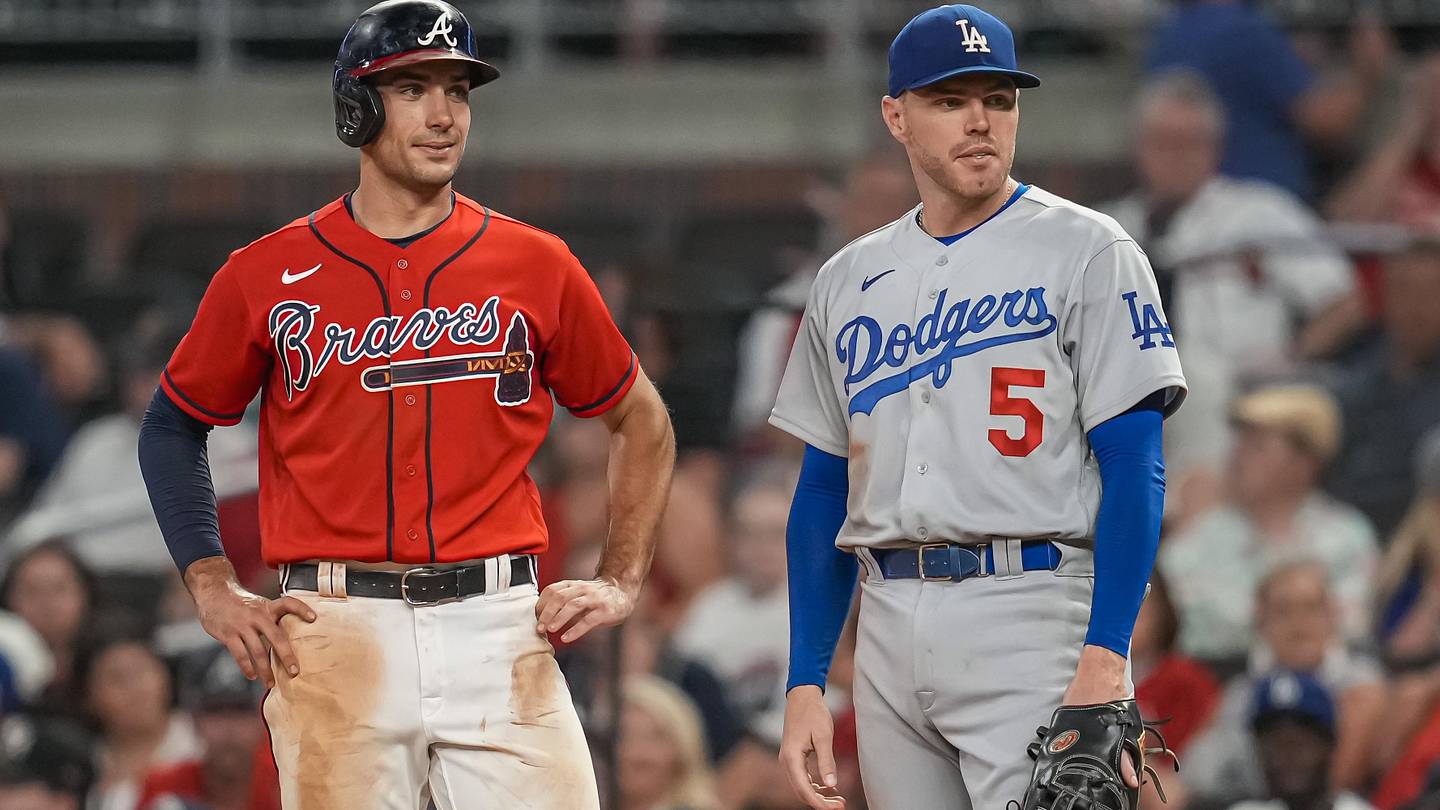
Atlanta’s baseball narrative has long been defined by moments of brilliance and dramatic upheaval. Yet, beneath the spotlight of flashy headlines and high-stakes trades, one name remains quietly pivotal: Matt Olson. As the Atlanta Braves’ first baseman, Olson’s impact extends far beyond statistics, weaving a complex tapestry of resilience, adaptability, and strategic growth that redefines what it means to be a true baseball leader.
What makes Matt Olson’s role critical to the Braves’ future?
For over a decade, Olson has embodied the quiet strength required to sustain a franchise’s success. Unlike the high-profile free agents and blockbuster trades that dominate headlines, Olson’s value has been built on consistency and reliability—a quality that has become the backbone of the Braves’ modern identity.
Consider the timeline: in 2026, the Braves’ pursuit of Freddie Freeman, one of baseball’s most dynamic stars, had already set the stage for a historic shift in the league. But Olson, who had already been a key figure for nearly five years, was the steady hand guiding the team through this transition. His ability to adapt to changing dynamics, whether through improved offensive production or defensive adjustments, has been crucial in maintaining the team’s competitive edge.
Olson’s story is not just about individual performance—it’s about the broader narrative of how a player can shape a team’s trajectory without needing constant attention. His work ethic and mental toughness have been vital to the Braves’ ability to navigate the evolving landscape of professional baseball.
Why does the Freddie Freeman saga matter to Olson’s legacy?
The Freeman saga, which began in 2021 with the trade of the star first baseman to the Los Angeles Dodgers, is a pivotal moment in the Braves’ history. While the move initially seemed to disrupt the team’s offensive rhythm, it ultimately highlighted the importance of having a versatile, adaptable player like Olson in the lineup.
Olson’s role in this transition is not just about replacing Freeman—it’s about understanding the implications of such a shift. When Freeman left, the Braves had to quickly adapt to a new offensive framework, and Olson’s ability to step up without the pressure of being a replacement was critical to their continued success.
- Olson’s consistent on-base percentage (OBP) of .412 in 2026, a key metric for first basemen, demonstrates his reliability in clutch situations.
- His ability to adjust to new offensive roles, such as becoming a more dynamic hitter in the middle of the lineup, has been crucial to the Braves’ offensive strategy.
- Olson’s leadership in the clubhouse, often unheralded by the media, has fostered a culture of accountability and teamwork within the Braves’ organization.
These elements—consistency, adaptability, and leadership—show how Olson’s impact is not just about individual performance but about the team’s ability to evolve and thrive in an ever-changing sport.
As the Braves continue to build their future, Olson’s role remains central. His story is a reminder that in baseball, the most impactful players are often those who operate behind the scenes, shaping the team’s identity without needing constant spotlight.