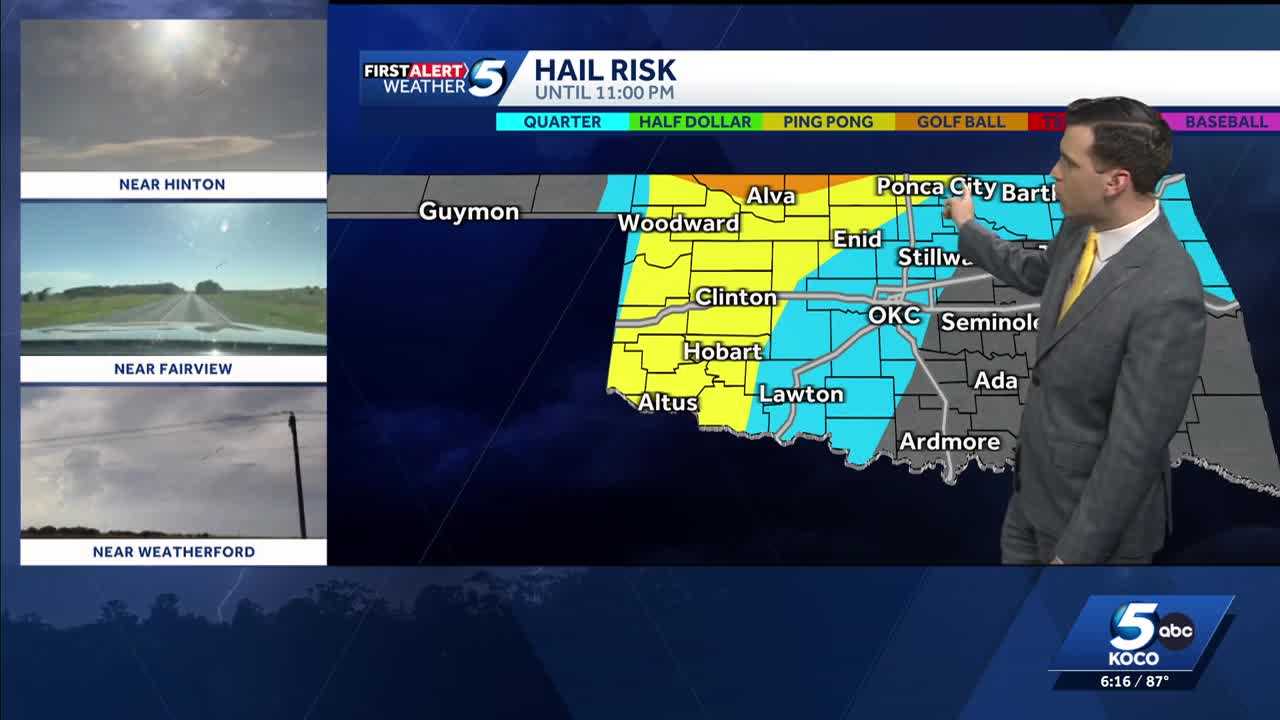
As of early Saturday, Oklahoma is bracing for a significant weather event as a severe thunderstorm watch has been issued for parts of the state. This alert, issued by the National Weather Service, marks the latest update in an ongoing weather pattern that has been shaping the region’s climate dynamics over the past few days.
Local meteorologists are monitoring a developing system that could bring life-threatening conditions, including damaging winds, large hail, and tornadoes. The National Weather Service has warned that the potential for severe weather remains high across eastern and central Oklahoma, with the most critical activity expected in the northern and western portions of the state.
Why is Oklahoma prone to severe weather?
Oklahoma’s geography plays a pivotal role in its susceptibility to severe weather. The state sits in the heart of Tornado Alley, a region historically known for its high frequency of tornadoes and other extreme weather events. This vulnerability is due to the collision of warm, moist air from the Gulf of Mexico with cooler, drier air from the north, creating an unstable atmosphere that can trigger explosive thunderstorm development.
The state’s topography further complicates weather patterns. The high plains and rolling hills of central Oklahoma create ideal conditions for supercell thunderstorms, which often evolve into tornadoes. These conditions have been observed consistently over decades, with historical data showing an average of 1,200 tornadoes per year in the state.
- Historical context: Oklahoma has experienced numerous significant tornado outbreaks since the 1950s, including the devastating 1991–1992 tornado season, which saw over 100 tornadoes in a single year.
- Current trends: Recent data indicates that the intensity of these storms has increased, with more frequent and severe tornadoes reported in the last decade.
- Regional variation: The state’s western and eastern regions experience different weather dynamics, with the west being more prone to severe thunderstorms and the east to flash flooding.
As the weather system advances, residents are urged to prepare for potential impacts. The National Weather Service recommends having a plan in place, including identifying safe spaces, keeping emergency supplies ready, and staying informed through reliable weather updates.
For the coming days, temperatures are expected to remain in the high 80s to low 90s, with a chance of scattered showers and thunderstorms. By Tuesday, the high temperatures are predicted to stay above 90°F, with some areas reaching the low 90s.
Residents should monitor the latest updates from the National Weather Service and local emergency management agencies. While the severe thunderstorm watch is temporary, the potential for more significant activity remains a key concern for the state.