Jarren Duran's emergence as a pivotal figure in MLB trade dynamics reveals a nuanced strategy that transcends typical roster needs. As the trade deadline approaches, his value has shifted from being a mere positional asset to a strategic lever for teams seeking explosive offensive production. This transformation is not merely statistical—it reflects deeper tactical intelligence within the league's evolving power structure.
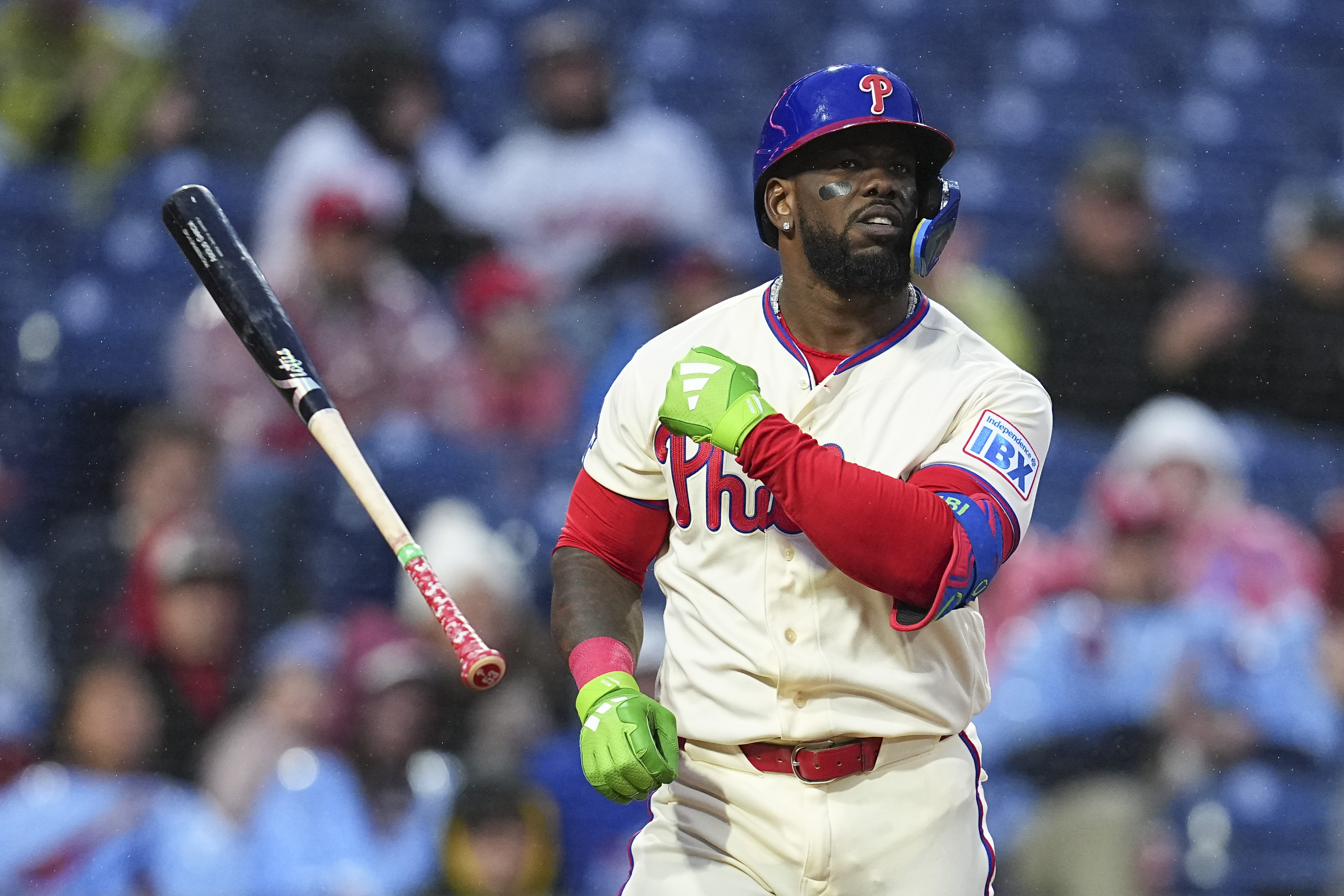
Historically, outfielders have been the most volatile assets at the trade deadline, but Duran’s unique combination of speed and power has redefined expectations. His 2023 season with the Atlanta Braves, where he logged 38 home runs and 108 RBIs, showcased a profile that aligns with the modern MLB's demand for high-impact performers. What sets him apart is not just his output but how he integrates into team systems. Teams that recognize this synergy—like the Philadelphia Phillies—can leverage him to replace aging stars, as highlighted by recent trade discussions involving Adolis Garcia.
Why does the trade deadline matter more than ever for players like Jarren Duran?
Duran’s value is now measured in more than just plate discipline and batting average. Recent trade talks between the Phillies and Red Sox have revealed a critical shift in how teams view his role. Unlike traditional power hitters, Duran operates within a system that emphasizes speed and adaptability, making him a versatile asset that can thrive in multiple offensive scenarios.
- Speed and power balance: Duran’s ability to generate runs in both high-leverage and low-stakes moments.
- Team-specific integration: His success is tied to the specific systems that can maximize his strengths.
- Trade flexibility: Teams can use him to fill gaps in multiple positions, not just offense.
For example, the Phillies’ interest in securing a trade for Duran as a replacement for Adolis Garcia underscores a broader shift in how teams approach outfielders. The Red Sox, facing similar pressure to rebuild, are now considering his value beyond simple batting stats.
Duran’s impact is further amplified by his role in the evolving landscape of MLB’s trade dynamics. The league has seen a rise in teams prioritizing players who can deliver in high-pressure moments, and Duran’s consistency in this area has made him a focal point for strategic discussions. This is not a one-off trend but a reflection of how modern teams are redefining success based on situational intelligence.
As the trade deadline nears, teams must consider how Duran fits into their specific systems rather than treating him as a generic offensive asset. His value is increasingly tied to the context in which he operates, making him a critical player in the broader narrative of MLB’s trade strategy.