As the football world buzzes with the latest Champions League Final drama, a quiet but significant transfer has quietly reshaped European football's landscape. Fenerbahçe's recent acquisition of Abimel Guelassaih Doue represents more than just a tactical shift—it signals a strategic recalibration in how clubs approach youth development and global talent integration.
Can Doue's Arrival Signal a New Era in Turkish Football?
While Paris Saint-Germain and Arsenal clash in the Champions League final, Fenerbahçe's move underscores a broader trend: clubs are increasingly prioritizing young, adaptable talents with cross-cultural competencies. Doue, a 19-year-old forward from Cameroon, brings a unique blend of technical skill and adaptability to the Turkish league. His signing highlights Fenerbahçe's commitment to nurturing global talent pools, a strategy that has proven effective in recent years, particularly through their partnerships with African and European academies.
Historically, Turkish clubs have been known for their strong youth development systems, but Fenerbahçe's decision to target a player from a non-European background marks a departure from traditional models. This move aligns with the growing demand for players who can seamlessly integrate into diverse football cultures—a need that has become critical in an increasingly globalized sport.
- Adaptability in training: Doue's ability to adjust to multiple tactical systems is a key asset for clubs like Fenerbahçe
- Global youth pipeline: His integration into the Turkish league demonstrates how clubs can leverage international talent without compromising local identity
- Financial pragmatism: Fenerbahçe's focus on cost-effective, high-potential players contrasts with the expensive, high-risk transfers seen elsewhere
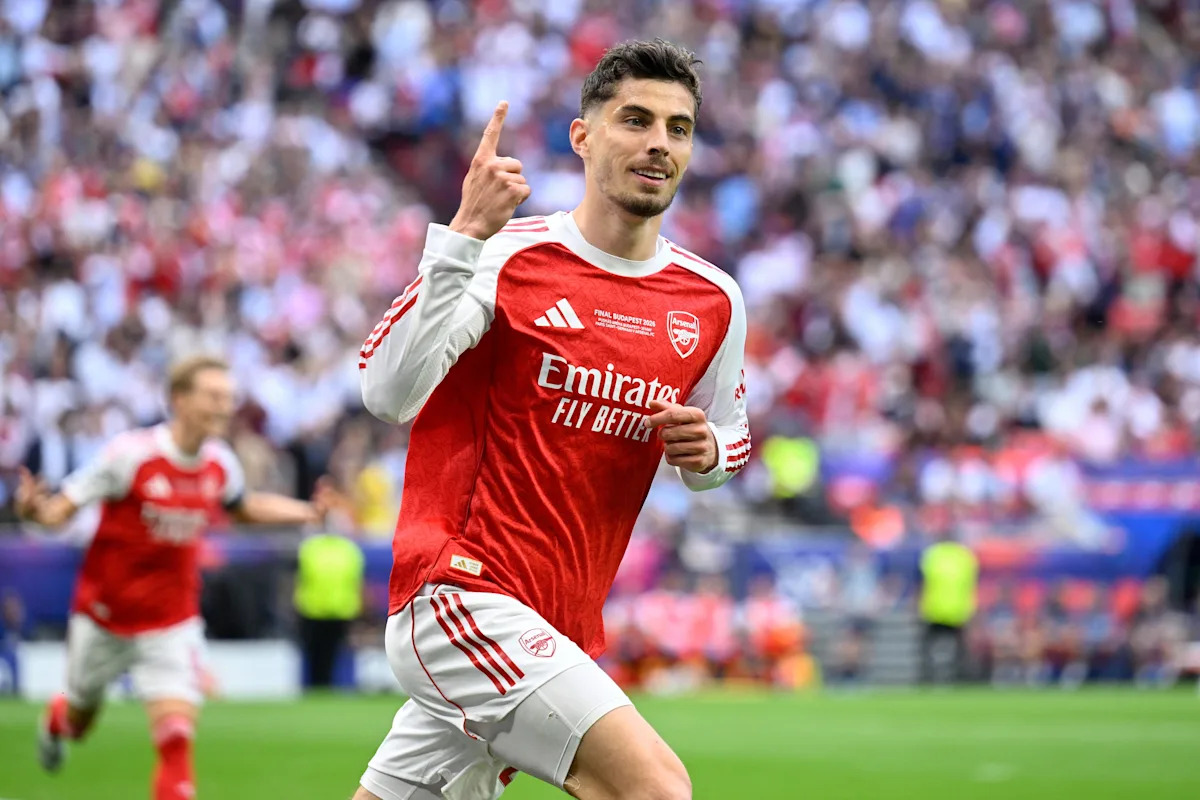
The Champions League final between PSG and Arsenal offers a stark contrast to Fenerbahçe's quiet maneuvering. While Arsenal's early goal by Kai Havertz reflects the high-stakes pressure of the final, Fenerbahçe's strategy is more about long-term stability and sustainable growth. This dichotomy highlights the evolving dynamics of club management: short-term tactical wins versus long-term player development.
Analysts suggest that Doue's integration could set a precedent for future transfers. His ability to thrive in a league that values technical skill and physical resilience could redefine how clubs approach young talent. Unlike the high-profile, high-risk moves in the Champions League, Fenerbahçe's approach is methodical, focusing on players who can adapt to different environments and contribute to team cohesion.
As the final whistle approaches in the Champions League, the focus shifts to how clubs like Fenerbahçe can balance immediate results with long-term planning. Doue's arrival is not just a transfer—it's a strategic pivot toward a more inclusive and globally integrated football ecosystem.