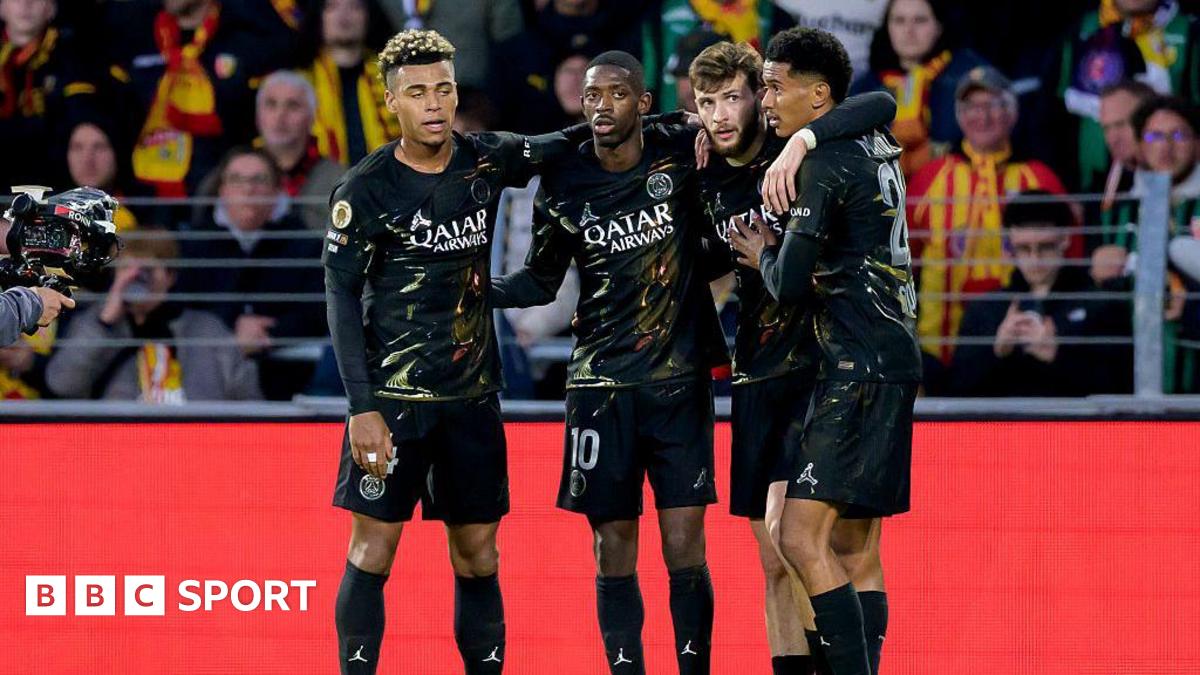
Khvicha Kvaratskhelia, the 28-year-old Georgian footballer, has become a household name in European football. His journey from a small-town boy in Georgia to the heart of Champions League finals is a masterclass in resilience, tactical intelligence, and sheer footballing brilliance. Unlike many stars who rise through youth systems, Kvaratskhelia's story is deeply personal and rooted in his homeland's unique cultural identity.
Originating from a family with a legacy of agricultural labor, Kvaratskhelia's early life was shaped by the rhythms of the Georgian countryside. He began his journey on the pitch at just 12 years old, playing with local teams that often used rudimentary equipment. His first professional contract came at 16, after a chance encounter with a coach who recognized his potential while he was harvesting apples in his village. This unusual start—a blend of rural simplicity and athletic ambition—has become a hallmark of his career.
Can Kvaratskhelia’s story be replicated?
For many, the question of whether Kvaratskhelia’s success can be replicated is a critical one. His ability to adapt to different tactical systems, from the fluid attacking play of Paris Saint-Germain to the structured systems of top-tier clubs, has been a key factor in his rapid rise. Unlike traditional stars who thrive in one style, Kvaratskhelia has shown an ability to evolve with the game, blending technical skill with strategic awareness.
- Fluidity and creativity in attack—Kvaratskhelia’s explosive left foot and quick decision-making make him a nightmare for defenders.
- Adaptability to team dynamics—he has worked with multiple coaches across different leagues, showing his capacity to learn quickly and integrate seamlessly.
- Emotional intelligence—his calm under pressure, especially in high-stakes matches like the Champions League, has been a key asset in his success.
These traits, combined with his deep understanding of the game, have positioned him as a pivotal figure in modern football. His impact goes beyond individual performance; it reflects broader shifts in how football is played and understood globally.
As the Champions League final approaches, Kvaratskhelia’s journey offers a powerful lesson in the importance of cultural context and personal growth. His story is not just about individual achievement but about how a player’s roots can shape their future in a global sport.