As the 2026 UEFA Europa League final approached, Budapest erupted with an unprecedented frenzy. The Puskás Arena, once a symbol of calm, became a stage for the most intense fan clashes in the city's history. This wasn't just a matchday; it was a collision of passion, power, and chaos that reshaped the city's sports landscape.
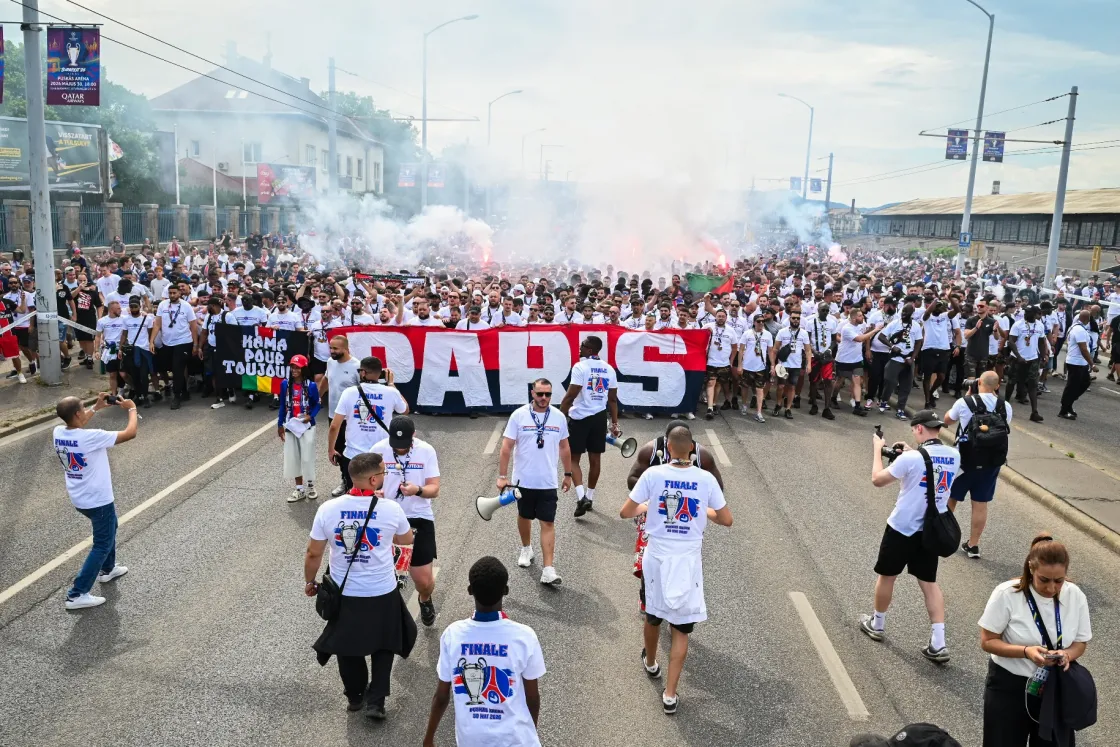
On the eve of the Premier League final, fans from Paris Saint-Germain and Arsenal flooded the streets of Budapest, their chants echoing through the streets of the city. The atmosphere at the Bazilikán (Basilica) was electric, with PSG supporters claiming the streets of Budapest as their own. This wasn't a quiet celebration—it was a full-scale takeover that left law enforcement scrambling to maintain order.
Why Did the Fan Clash Erupt?
The root of the conflict lay in the deep-seated rivalries between the two football giants. The Premier League final wasn't just a game; it was a cultural event that drew fans from across the globe. But as the date approached, tensions flared in the streets of Budapest. The Király utcá (King Street) became the epicenter of the chaos, where small-scale street battles broke out between the two teams' supporters.
- On May 30, 2026, at 00:20 local time, a group of fans clashed in the VII. district of Budapest.
- Authorities reported organized aggression, with unknown perpetrators involved in the incident.
- The incident highlighted the growing influence of fan culture in shaping urban dynamics.
What made this clash unique was the sheer scale of the event. Unlike typical fan incidents, this was a coordinated, large-scale confrontation that drew national attention. The involvement of the BRFK (Budapest Regional Police) in the aftermath showed the severity of the situation.
What Can We Learn from This?
From a historical perspective, the Puskás Arena has long been a symbol of football's deep roots in Hungary. But today, it's a microcosm of global fan culture. The clash at the Király utcá wasn't just a local incident—it reflected a worldwide trend of fan-driven urban conflicts.
As cities worldwide see similar patterns, the need for proactive fan management becomes clearer. The Puskas Arena's role in this incident underscores the importance of understanding the intersection between sports culture and public safety.
While the immediate aftermath of the clash was chaotic, the event has left a lasting impact on how fan engagement is handled in major sporting events. The story of the Puskás Arena during this incident is a lesson in the power of fan culture and the challenges of maintaining order in the digital age.