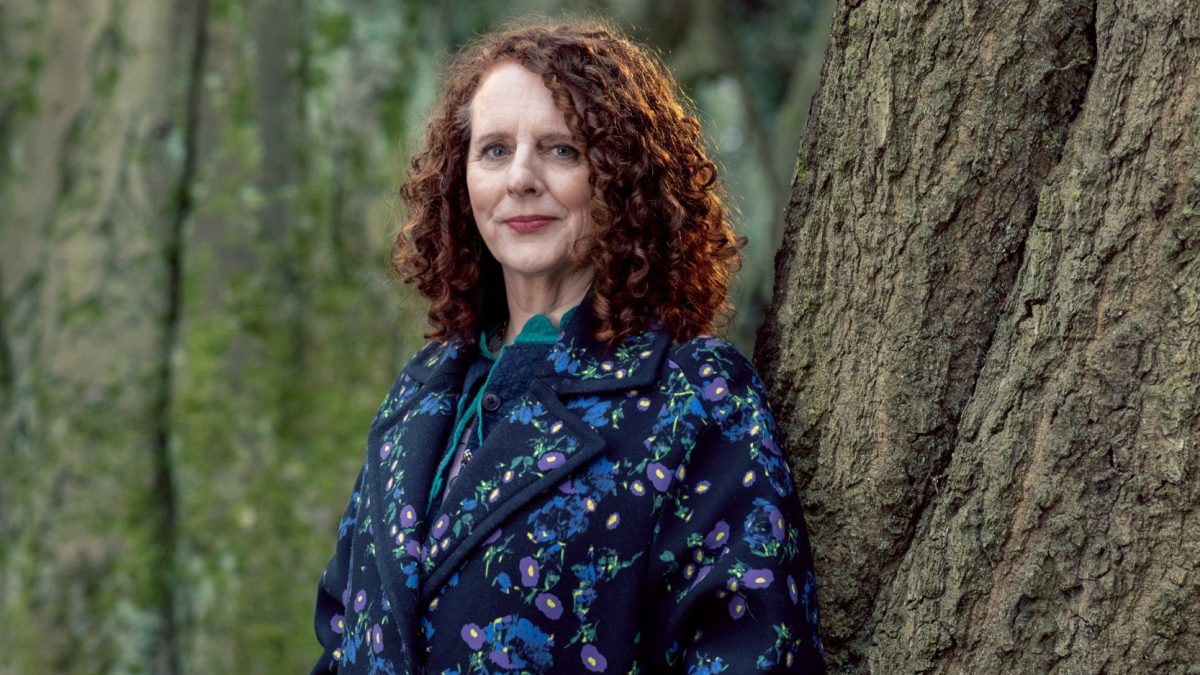
Maggie O’Farrell’s 2024 has been a whirlwind of recognition and reinvention, challenging the narrow definitions of literary and cinematic success. Known for her profound exploration of identity, history, and the complexities of human connection, O’Farrell has defied the typical trajectory of an author’s career, particularly as a middle-aged writer navigating the spotlight of mainstream entertainment. Her recent work, Land, a sweeping novel that weaves together family legacies, Irish history, and colonialism, has sparked critical acclaim and a broader conversation about who gets to define success in the arts.
Why does a middle-aged writer’s presence at the Oscars matter?
At 48, O’Farrell has become a symbol of the tension between artistic authenticity and industry expectations. When she was asked, ‘Do you feel overlooked because you’re not young enough to be at the Oscars?’ she responded with a quiet but powerful truth: ‘People don’t want to look at a middle-aged writer at the Oscars.’ This statement, often misinterpreted as a critique of ageism, actually highlights a deeper issue: the systemic exclusion of writers who focus on complex, non-romanticized narratives from the entertainment industry’s mainstream platforms.
Her success with the novel Land—which examines the intricate relationships between Irish families, British imperialism, and the lingering effects of colonialism—has been a testament to the power of nuanced storytelling. But her journey has not been without challenges. Despite winning multiple awards, including the Guardian’s Book of the Year, O’Farrell has been vocal about the lack of representation for middle-aged authors in high-profile award ceremonies.
What makes O’Farrell’s work particularly significant is its focus on the emotional and historical weight of place. In Land, she delves into the legacy of the Irish land question, connecting the past with the present through a family’s struggle with inheritance and identity. This is not just a historical narrative but a deeply personal exploration of how history shapes individual lives and communities.
How does this reflect on the industry’s evolving landscape?
- Historical context: O’Farrell’s work often bridges personal and political, such as in her exploration of the Irish land question and the legacy of colonialism.
- Authoritative voice: Her focus on marginalized narratives and the intersection of personal and historical trauma has made her a key figure in contemporary literature.
- Industry impact: Her work has prompted discussions about the need for more diverse voices in mainstream media and film adaptations.
O’Farrell’s approach to storytelling has been a catalyst for redefining what success looks like in the literary and cinematic worlds. While the Oscars have traditionally been dominated by younger, more commercially driven writers, O’Farrell’s presence in the spotlight has forced a reconsideration of the value of depth over popularity.
Her upcoming projects, which continue to explore the complexities of identity and history, signal a shift toward more inclusive and thoughtful representation in the arts. As the industry continues to evolve, O’Farrell’s work serves as a reminder that success is not just about winning awards but about shaping conversations that resonate across generations.