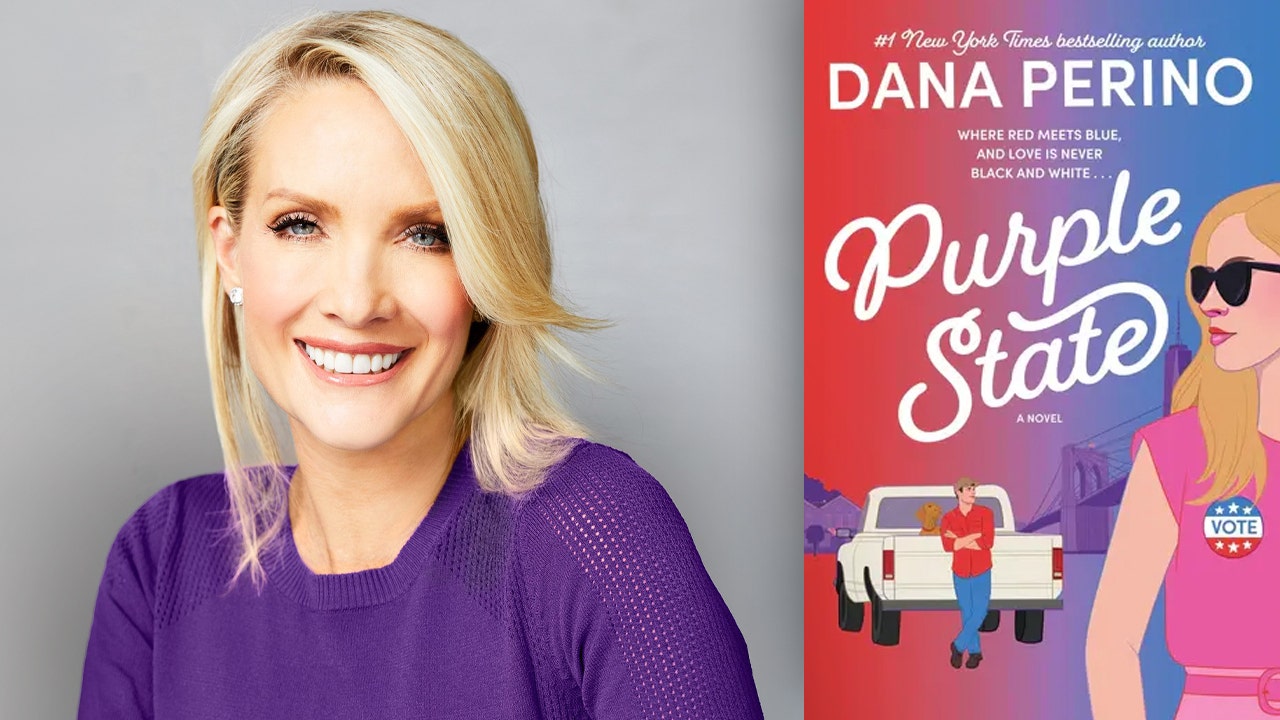
When Dana Perino’s novel Purple State was released, it didn’t just capture the essence of modern American life—it revealed a profound truth about the most intimate choices we make. Far from being a political or cultural commentary, the book’s central theme centers on the deeply personal decisions that shape our identities and relationships. This is not a story about grand societal shifts, but rather a quiet reflection on the everyday battles we face in the name of love, family, and self-discovery.
Why 'Purple State' Resonates Today
Perino’s work has always been grounded in real-world experiences. As a Fox News host and former White House Press Secretary, she’s navigated the complexities of public and private life with precision. In Purple State, she shifts from the high-stakes world of politics to the intimate, often overlooked realm of personal choices. The novel explores how seemingly small decisions—like whether to move for a job, or choose between two close friends—can have profound, lasting consequences on one’s life trajectory.
The book’s success is a testament to its relevance. Perino draws from her own life, highlighting how the most impactful choices are often those that happen in the privacy of one’s home, not in the glare of a news conference or a political rally. This focus on personal stakes over political ones has resonated with readers who feel disconnected from the noise of modern politics.
What Makes 'Purple State' Unique?
- Realistic portrayal of everyday struggles
- Emphasis on emotional intelligence over political rhetoric
- Focus on the quiet, personal decisions that define us
Unlike many contemporary novels that tackle large-scale societal issues, Purple State avoids the trap of being overly prescriptive. Instead, it offers a nuanced, human-centered narrative that speaks to readers who have grown weary of the political theater dominating public discourse.
The book’s strength lies in its ability to connect with a generation that’s increasingly disillusioned with the polarization that often overshadows national conversations. By focusing on the personal, Perino provides a space for readers to reflect on their own lives without judgment or bias.
One of the most striking aspects of Purple State is its attention to the role of memory and identity. Perino shows how our past choices and present decisions shape who we become, and how that identity can be both a source of strength and a burden. In a world where social media and digital communication have blurred the lines between public and private life, this is a critical insight for anyone navigating the complexities of modern identity.
As the novel continues to gain traction, it’s clear that Purple State isn’t just a book—it’s a mirror for the many of us who feel the weight of making choices that matter most in the quiet moments of our lives.