As the MLB 2026 season approaches, the Chicago Cubs' position in the standings has become a focal point for analysts and fans alike. With early-season performance fluctuations, the team is now weighing critical decisions ahead of the upcoming trade deadline. This strategic shift reflects broader trends in the league, where teams facing instability often pivot toward aggressive trade moves to secure competitive advantages.
The Cubs' recent struggles have not gone unnoticed. In the first month of the 2026 campaign, they have posted a 12-20 record, placing them in the lower echelons of the National League Central. This performance has triggered discussions about potential trade targets and the effectiveness of their current roster. The team's front office is under pressure to identify high-impact players who can bolster their pitching staff and offensive output.
Can the Cubs salvage their season with strategic trades?
Analysts have highlighted the Cubs' historical tendency to pursue trade deals that focus on young talent and veteran leadership. For instance, in the 2024 season, they acquired a key pitcher through a trade that improved their overall team performance. This pattern suggests a strategic approach to trade deadlines, where teams prioritize players with high potential for growth and immediate impact.
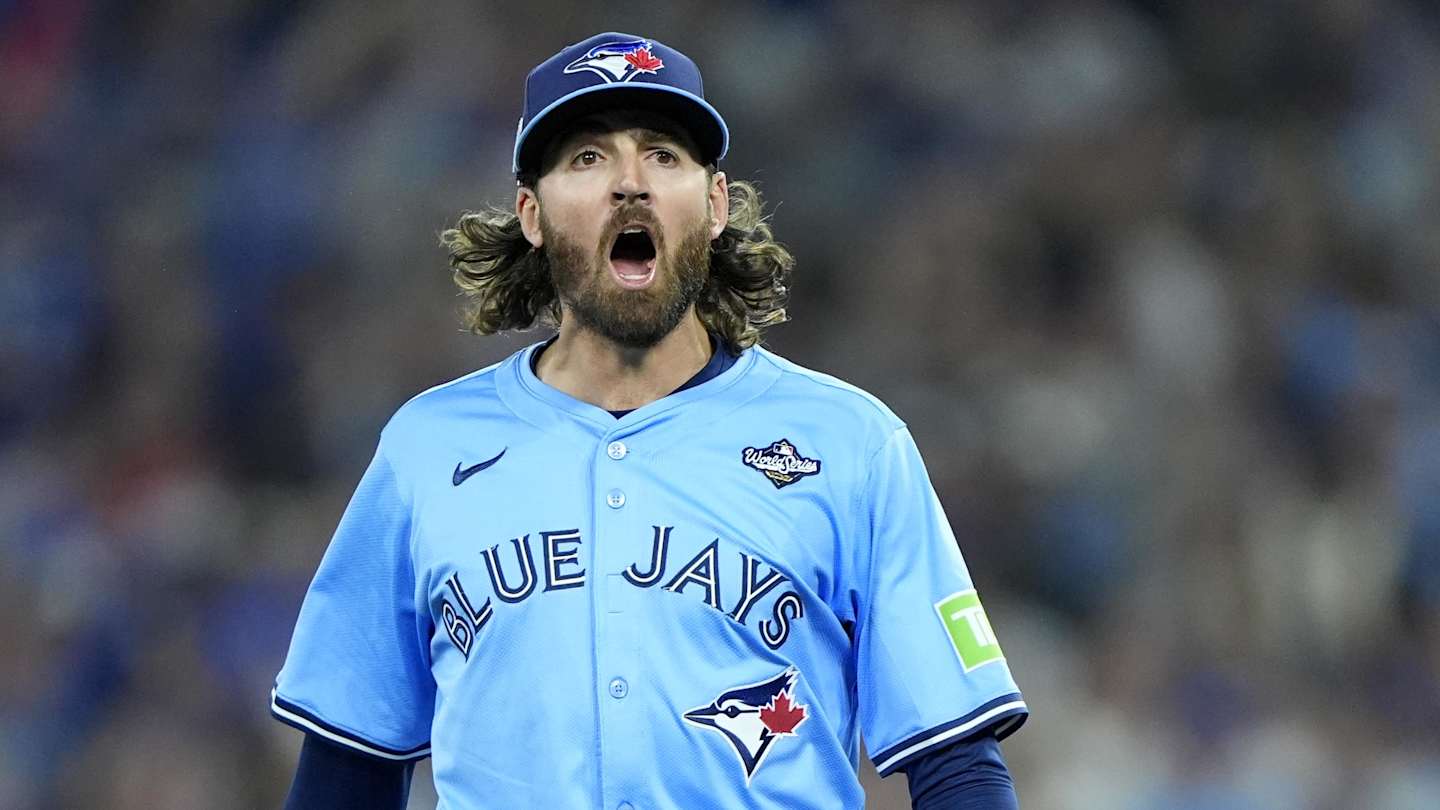
- Early trade activity: Teams like the Minnesota Twins and Toronto Blue Jays have shown aggressive trade movements, often targeting high-potential prospects.
- Recent performance data: The Cubs' 12-20 start has led to comparisons with other struggling teams, such as the Atlanta Braves and Washington Nationals.
- Market dynamics: The 2026 trade deadline is expected to be one of the most volatile in recent history, with teams like the Cubs looking to address critical weaknesses in their lineup.
The Cubs' strategy hinges on identifying players who can deliver immediate results while also providing long-term stability. For example, their potential acquisition of a young pitcher with a high strikeout rate has been a topic of discussion among experts. The team has also been exploring partnerships with other teams to strengthen their bullpen, a critical area where the Cubs have faced challenges.
Moreover, the 2026 trade deadline is shaping up to be a pivotal moment for the Cubs. With the league's evolving dynamics, teams that can adapt quickly to changing conditions will have the best chance of success. The Cubs' ability to execute a well-planned trade strategy could significantly impact their standing in the National League Central.