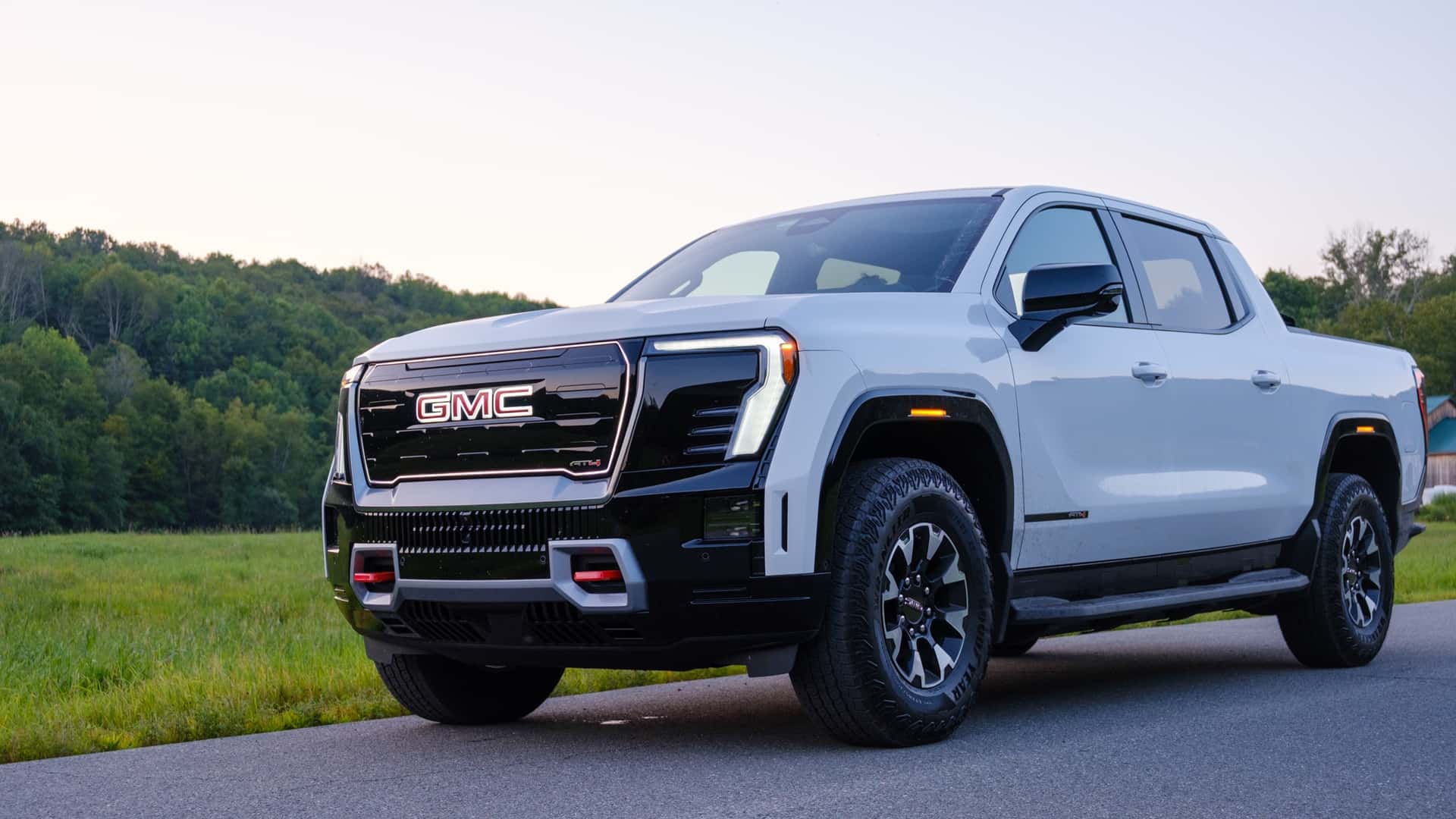
General Motors has recently made a significant move in its electric vehicle strategy, canceling the next-generation Chevrolet Silverado EV, GMC Hummer EV, and Cadillac Escalade IQ. This decision, confirmed by multiple industry reports, marks a pivotal shift in GM's approach to electrification. The move comes amid broader strategic realignments as the automaker focuses on hybrid and gasoline-powered vehicles instead of fully electric models.
The cancellation is rooted in a complex interplay of market dynamics, production challenges, and evolving consumer preferences. Industry analysts suggest that the decision reflects GM's urgent need to balance the transition to electric vehicles with the continued demand for traditional internal combustion engines. With the global push for sustainability and the ongoing challenges of scaling up EV production, GM appears to be prioritizing short-term market stability over long-term electrification goals.
Why Is GM Scaling Back on EV Trucks?
According to industry insiders, GM's decision to pause its next-gen electric truck programs is a direct response to the company's struggle to maintain production capacity at its Factory Zero facility in Detroit. The plant, which has been central to GM's electric vehicle production, has faced significant operational bottlenecks. This has led to a reevaluation of the timeline and feasibility of fully electric models.
Factory Zero, a key hub for EV manufacturing, has seen a decrease in output efficiency, with production lines struggling to keep up with the demand for high-volume, standardized components. This has forced GM to reconsider its commitment to fully electric trucks, which require more specialized equipment and longer development cycles.
- Supply chain bottlenecks: Critical components like batteries and power electronics are in short supply, limiting the scale of EV production.
- Consumer demand shifts: Data from regional markets shows a growing preference for hybrid and gas-powered vehicles, especially in rural and industrial regions where EVs face charging infrastructure limitations.
- Financial pressure: The cost of transitioning to full EV production is higher than anticipated, with rising costs for battery materials and production facilities.
These factors have led GM to pivot toward a more gradual transition, focusing on hybrid and gasoline models as a more viable near-term solution.
The decision has sparked debates about the future of EV adoption in the automotive industry. While some industry experts argue that this is a necessary step to ensure stability, others warn that delaying full EV adoption could slow down the industry's progress toward decarbonization.