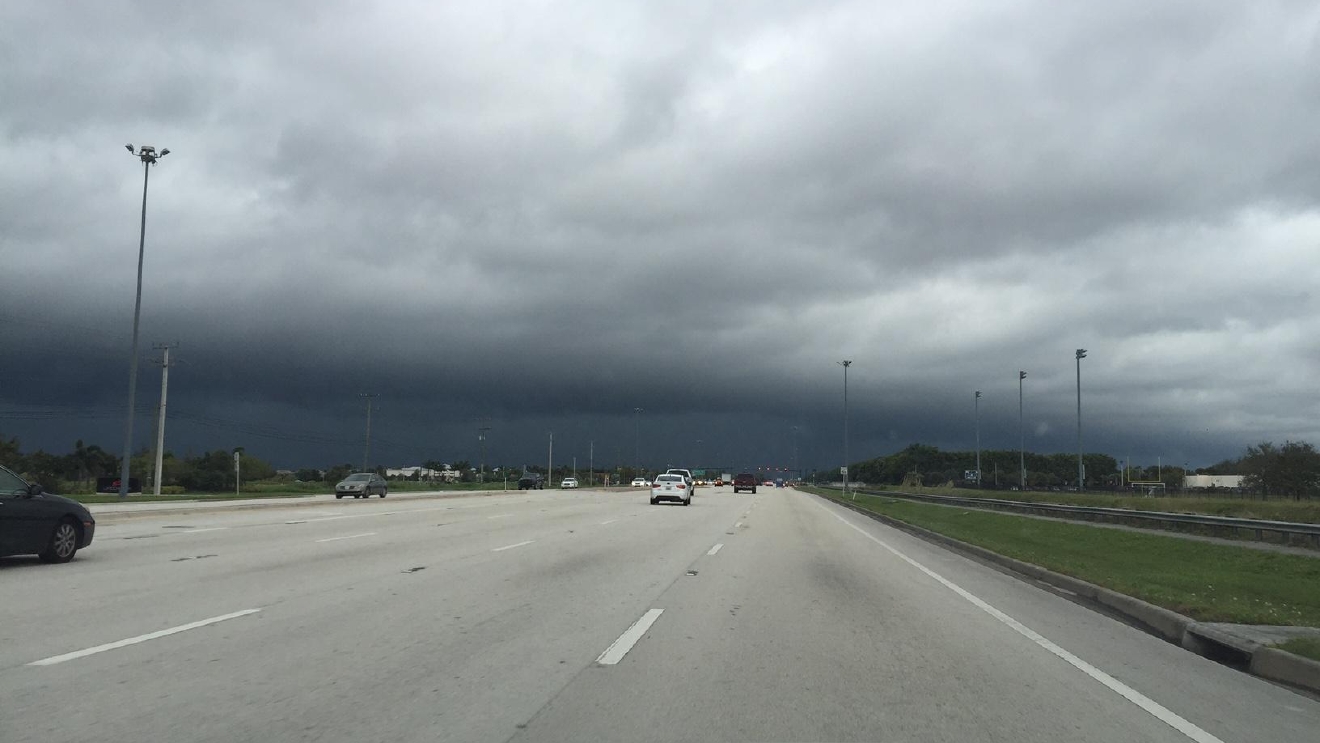
As the tropical sun dips below the horizon over Miami, the city's unique coastal climate is set to undergo a dramatic shift. The upcoming weather patterns, influenced by a powerful cold front, promise to deliver an intense mix of gusty winds, high surf, and heavy rainfall across the Florida Gulf Coast. This development marks a critical transition from the typical warm, humid conditions that have dominated Miami's weather for months.
Analysts at the National Weather Service indicate that a strong cold front is rapidly approaching the Central Florida coast, bringing with it significant atmospheric instability. This front, which has been moving steadily westward across the Southeast, is expected to trigger widespread coastal flooding and dangerous wave activity throughout the weekend. The implications for Miami are particularly concerning, given its low-lying topography and extensive coastal infrastructure.
How Does This Cold Front Impact Miami?
The impact of this cold front on Miami is multi-faceted. The cold air mass, originating from the northern United States, is colliding with the warm, moist air from the Gulf of Mexico, creating a perfect storm of meteorological conditions. This collision produces strong convective activity that results in heavy precipitation, with some areas potentially receiving over 2 inches of rain within a 24-hour period.
- The cold front's passage will bring gusty winds up to 40 mph, significantly higher than the average 15-20 mph experienced during typical seasonal transitions
- Coastal areas will see wave heights reaching 5-8 feet, creating dangerous conditions for beachgoers and coastal residents
- Multiple rip current warnings are already active in Flagler, Coastal, Inland, and Volusia regions, indicating potential for life-threatening situations
These conditions are not isolated to Miami alone. The broader implications for the region include potential disruptions to transportation networks, increased risk of coastal erosion, and potential impacts on local ecosystems that have adapted to the region's typical seasonal patterns.
Why Miami's Climate is Particularly Vulnerable
Miami's location at the intersection of tropical and continental air masses makes it especially susceptible to these rapid transitions. Unlike more stable climates found in other regions, Miami experiences frequent shifts between warm, moist air from the Gulf and cooler, drier air from the north, creating a dynamic environment that can quickly deteriorate into hazardous conditions.
The city's extensive coastal infrastructure, including its numerous beaches, marinas, and ports, is already under strain from the potential impacts of this cold front. With sea levels rising due to climate change, even small increases in wave height can have significant consequences for coastal communities.
Authorities are urging residents to prepare for potential disruptions, including potential evacuations from low-lying areas and heightened awareness of coastal hazards. The National Weather Service has issued multiple advisories for the region, emphasizing the importance of staying informed about changing conditions.
As this cold front continues its journey, the coming days will be crucial for understanding how these weather patterns interact with Miami's unique geography and climate. The potential for heavy rainfall and strong winds could lead to significant flooding risks, particularly in areas with limited drainage systems.
What Can Residents Do?
Residents and visitors in the Miami area are encouraged to monitor local weather updates closely and prepare for potential disruptions. The National Weather Service's website and mobile app provide real-time tracking and alerts for the region.
It's also important to remember that these conditions are part of a larger pattern of increasing weather volatility that is expected to intensify as global temperatures continue to rise. Miami, with its unique position at the crossroads of multiple climatic influences, serves as a critical case study for understanding how coastal cities can adapt to increasingly unpredictable weather patterns.
As we prepare for this weather event, it's vital to recognize the interconnectedness of these phenomena and the need for proactive planning and community resilience.