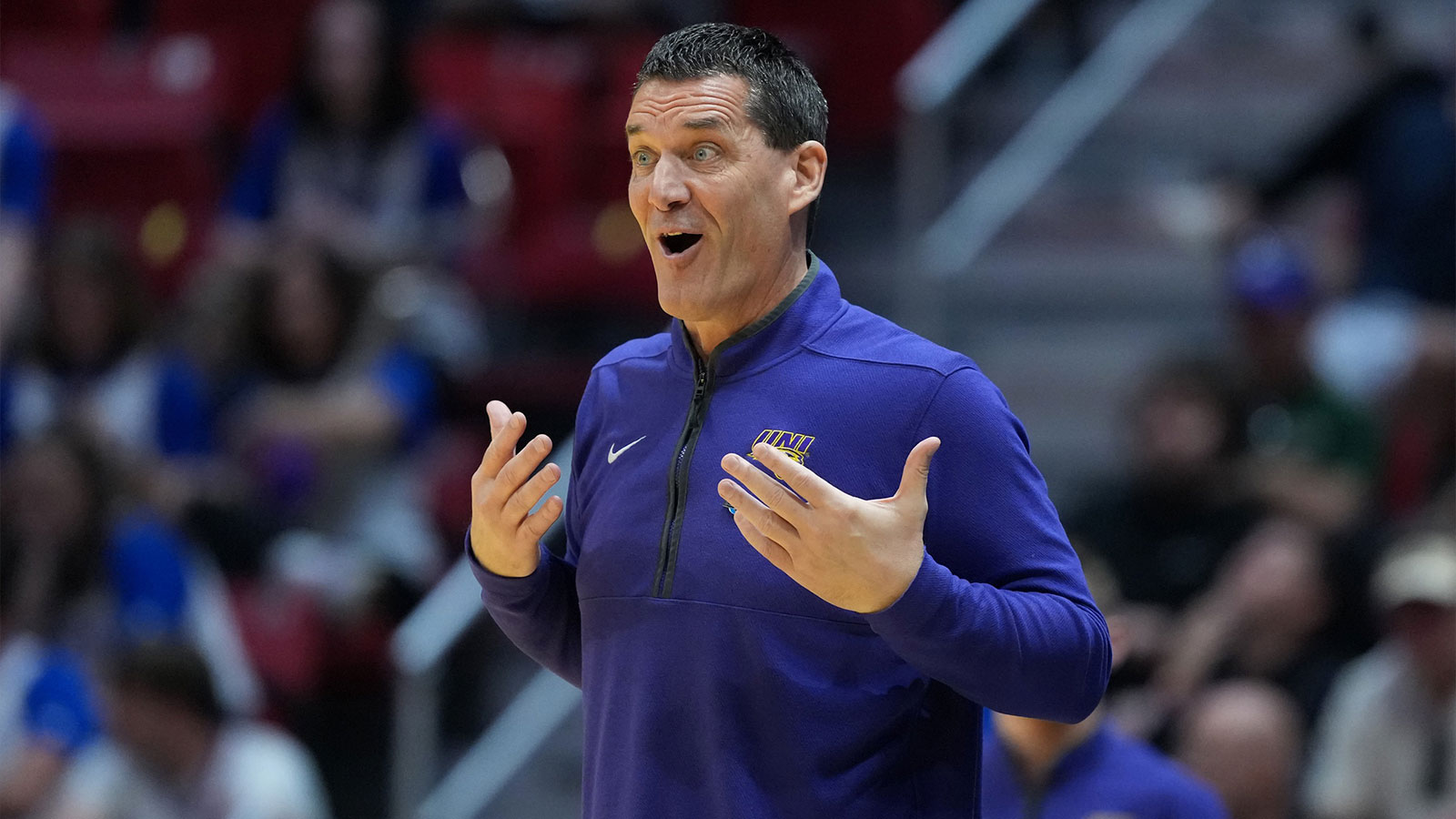
Ben Jacobson’s transition from Northern Iowa to Utah State marks a pivotal moment in college basketball’s evolving landscape. With over two decades of experience shaping programs, Jacobson’s decision reflects a strategic shift in how athletic departments approach long-term talent development and program stability. As one of the most decorated coaches in the Midwestern basketball scene, his move underscores the growing emphasis on institutional cohesion and athlete retention.
Why Utah State? The Strategic Calculus Behind Jacobson’s Decision
After 20 seasons leading Northern Iowa, Jacobson has built a reputation for meticulous program management and fostering a culture of resilience. His decision to join Utah State isn’t just a career pivot—it’s a calculated response to the evolving needs of modern college athletics. Utah State’s commitment to integrating analytics-driven training and a focus on student-athlete development aligns precisely with Jacobson’s coaching philosophy. This move highlights a broader industry trend: programs prioritizing data-driven decision-making and holistic athlete support systems.
Notably, Jacobson’s tenure at Northern Iowa included three NCAA Tournament appearances and a consistent track record of improving team performance metrics. His success in balancing academic and athletic demands has made him a sought-after figure in a landscape where student-athlete well-being is increasingly prioritized.
What Makes This Move a Model for Future Coaching?
Unlike previous transitions, Jacobson’s appointment isn’t a short-term fix—it’s a long-term investment. Utah State’s investment in a five-year contract signals a deep commitment to stability. This approach contrasts with the volatile nature of many coaching changes, where programs often face disruptions due to short-term leadership.
- Program integration: Jacobson’s emphasis on aligning coaching strategies with institutional values has been a key factor in his success
- Long-term stability: His 20-year tenure at Northern Iowa demonstrates a sustained ability to build sustainable programs
- Academic-athletic balance: Jacobson’s focus on student-athlete development has been a hallmark of his approach
These elements, combined with Utah State’s strategic focus on data analytics and adaptive training protocols, position Jacobson as a model for how modern programs can achieve lasting success.
The move also highlights the growing importance of institutional partnerships in shaping athlete development. Jacobson’s ability to bridge academic and athletic demands reflects a broader industry shift toward comprehensive athlete support systems. His transition isn’t just about winning games—it’s about building a legacy that extends beyond the court.