As March 30th approaches, the medical community across Vermont continues to celebrate National Doctors' Day with gratitude and reflection. This special observance, established to honor the dedication of physicians and healthcare professionals, transcends mere recognition—it becomes a catalyst for meaningful community engagement.
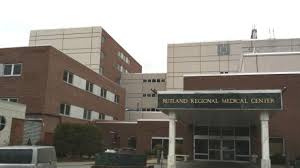
In Rutland, Vermont, a remarkable example of this spirit unfolds at Rutland Regional Medical Center. On March 30th, the facility will showcase over 300 hand-drawn illustrations created by elementary students. These vibrant artworks, meticulously crafted by children in local schools, transform abstract appreciation into tangible expressions of respect and admiration.
How Does National Doctors' Day Impact Local Health Communities?
The significance of this observance extends far beyond the calendar. It serves as a critical moment for communities to acknowledge the profound impact doctors have on public health and individual well-being. In rural settings like Rutland, where healthcare access can be limited, these gestures of gratitude become vital touchpoints for sustaining trust and fostering collaboration between medical providers and patients.
Historically, National Doctors' Day has been a platform for highlighting the challenges faced by healthcare workers. From the 1960s to the present day, it has evolved from a simple recognition event to a comprehensive initiative that addresses systemic issues in medical care. Today, it emphasizes the intersection of medical expertise and community resilience.
Why Student Art Matters in Healthcare Communication
- Art provides a non-verbal channel for children to express complex emotions about health and illness
- Student-led projects foster early understanding of medical roles and responsibilities
- Community exhibitions like those at Rutland Regional Medical Center create lasting, tangible connections between healthcare and youth
This initiative in Rutland exemplifies how creative engagement can bridge gaps in healthcare communication. By involving children in the process, medical centers create opportunities for meaningful dialogue about health literacy and patient-centered care. The resulting artwork becomes a powerful tool for education and advocacy.
As we look ahead, the future of National Doctors' Day will likely focus on expanding these community-driven initiatives. With rising healthcare costs and increasing demand for accessible care, such creative approaches to recognition become essential. The Rutland example demonstrates that when communities actively participate in honoring healthcare professionals, the impact is measurable and sustainable.