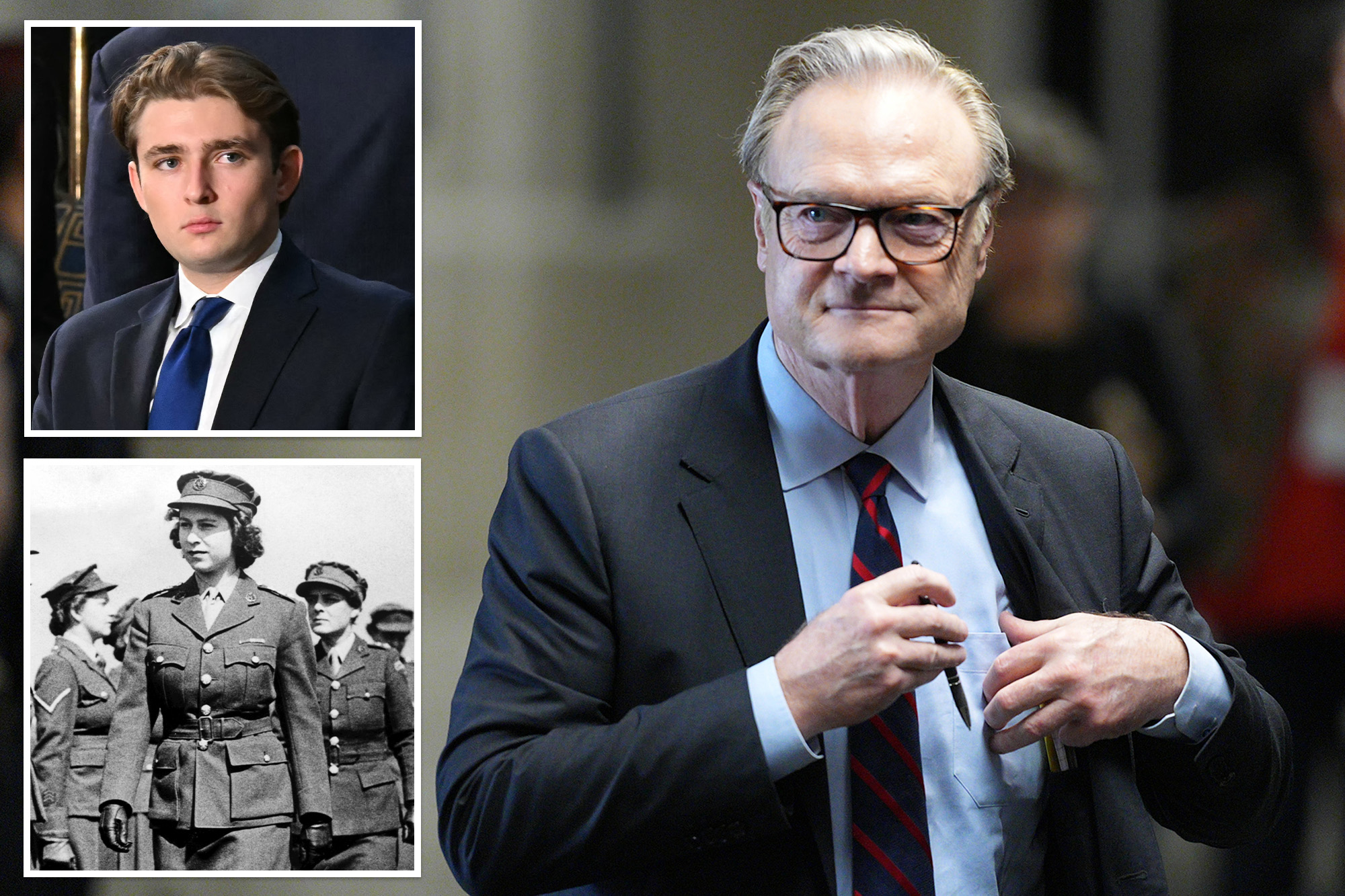
As the Middle East escalates in tension, a surprising political conversation has emerged around Barron Trump’s potential military service. The debate centers on whether the youngest son of former President Donald Trump should enlist if the U.S. sends troops to conflict zones—a question that’s reignited by recent comments from prominent figures across the political spectrum.
Why is Barron Trump’s military status a flashpoint?
At the Conservative Political Action Conference (CPAC), two mothers expressed a clear stance: they believe Barron Trump should serve in the military if the president decides to deploy U.S. forces to Iran. This statement, shared with MSNOW, highlights a growing segment of the GOP base that views military service as a critical component of national duty and personal integrity.
Meanwhile, the controversy has drawn sharp criticism from left-leaning media personalities. Lawrence O’Donnell, host of MSNOW, has publicly condemned Barron Trump for being 'spoiled' and not having enlisted in the military, comparing his situation to that of an 'English princess.' His remarks reflect a broader narrative among critics who argue that young Trumps have been shielded from real-world responsibilities like military service.
Adding to the complexity, former Minnesota Governor Jesse Ventura, a decorated veteran with over 30 years of military service in the U.S. Army, has directly challenged Barron Trump to 'enlist in the U.S. military right now.' Ventura’s call to action is grounded in his own experience as a combat veteran and his stance on national service, emphasizing the importance of direct participation in defense efforts.
What does this mean for future U.S. military policy?
The discussion around Barron Trump’s military service has broader implications for how the U.S. approaches national defense and civic duty. With the Middle East on the brink of conflict, the debate over military involvement underscores a critical question: How do we balance national security with individual accountability?
The push for Barron Trump to join service is not just about personal loyalty—it’s about defining what it means to be a responsible citizen in times of crisis. This debate echoes historical moments when political figures have faced similar calls to action, such as during the Vietnam War, when many young men were expected to serve and protect their country.
- Historical context: The Vietnam War saw a generation of young men drafted into military service, often with mixed political consequences. Today’s debate over Barron Trump’s service mirrors this era of national tension.
- Political strategy: Some argue that Barron Trump’s military service could strengthen his political credibility by aligning with national security priorities.
- Public perception: With the Middle East on edge, the call for military service could shift public opinion on national defense policies.
The ongoing discussion reflects a broader shift in how society views military service and civic duty. As tensions rise in the Middle East, the call for Barron Trump to enlist isn’t just a personal plea—it’s a reflection of the larger societal push for accountability in times of national crisis.
While the immediate issue is about Barron Trump’s personal journey, the implications extend to future U.S. policy, military recruitment, and the evolving role of political figures in national defense. The debate highlights the intersection of personal integrity and national security—a topic that will likely continue to shape political discourse in the coming years.