F1's Japanese Grand Prix: Strategy, Streaming, and What's Next

Editor 29 Mar, 2026 ... min lectura

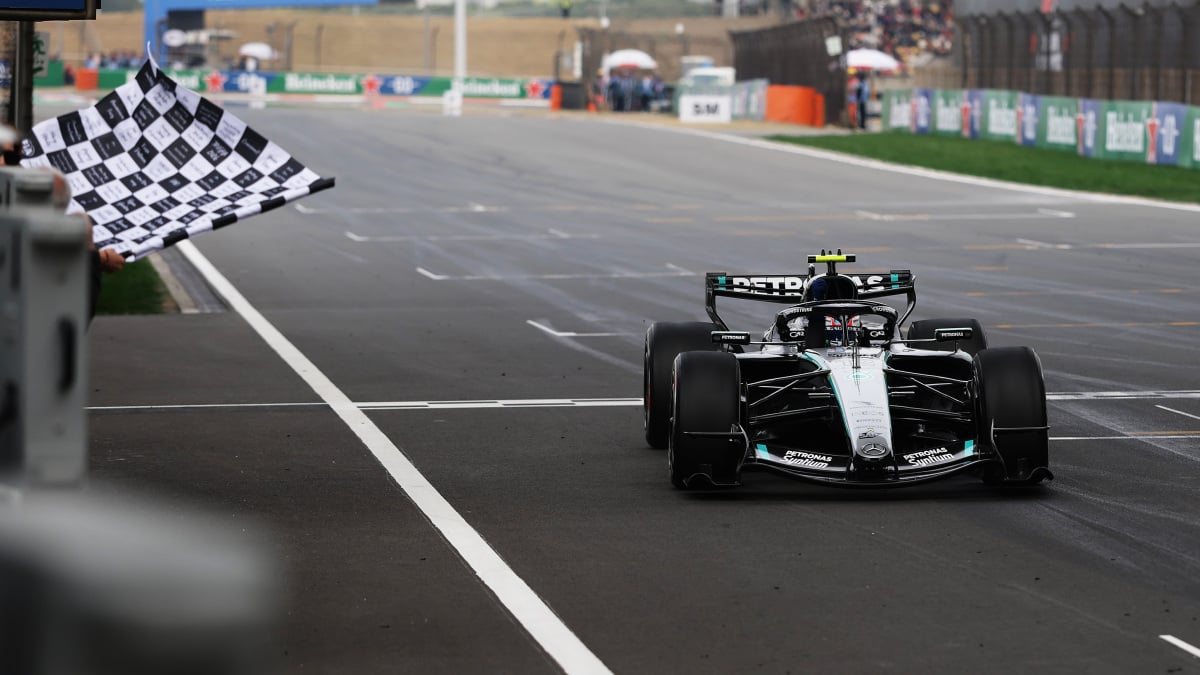
As the Formula 1 calendar approaches its most strategic and high-stakes event of the season—the Japanese Grand Prix at Suzuka—the race has become a focal point for both fans and teams alike. With Oscar Piastri showing strong performance and strategic implications for the upcoming weekend, this race offers a compelling mix of tactical decisions and live streaming opportunities.

Is the Japanese GP the Ultimate Test for F1 Strategy?

What makes the Japanese Grand Prix unique is its ability to test teams' strategic adaptability. The track at Suzuka is notoriously demanding, with tight corners and a demanding layout that favors precise tire management. This year's race has highlighted the critical role of pit stop timing and tire selection, as seen with Oscar Piastri leading early from George Russell.

Teams are working hard to optimize their strategies for the Japanese Grand Prix. With the track's unique characteristics, including its slow, technical sections and high-speed corners, every decision matters. For instance, the use of soft tires versus medium tires has become a key factor in determining race outcomes. Additionally, the race's location in Japan adds a cultural dimension, with local teams adapting to the specific conditions of the circuit.

Why the Japanese GP Matters for Future Strategy

Looking ahead, the Japanese Grand Prix serves as a critical testing ground for new strategies and technologies. The race provides teams with a platform to experiment with different strategies and innovations in tire management, which can have significant implications for future races. For example, the use of data analytics to predict optimal tire selections is becoming increasingly common.

Moreover, the race has become a key event for teams to test their strategies in a controlled environment. With the track's unique layout, teams can fine-tune their approaches to the race, ensuring that they are prepared for the challenges of the upcoming events.

  • Track-specific strategy: Suzuka's layout demands precise tire management and pit stop timing
  • Local conditions: Weather and temperature variations in Japan affect strategy decisions
  • Team-specific tactics: Teams are adapting to the unique demands of the circuit

As the race approaches, fans and teams alike are focusing on the tactical implications of the Japanese Grand Prix. With the potential for significant outcomes, this event is set to be a pivotal moment in the F1 season.