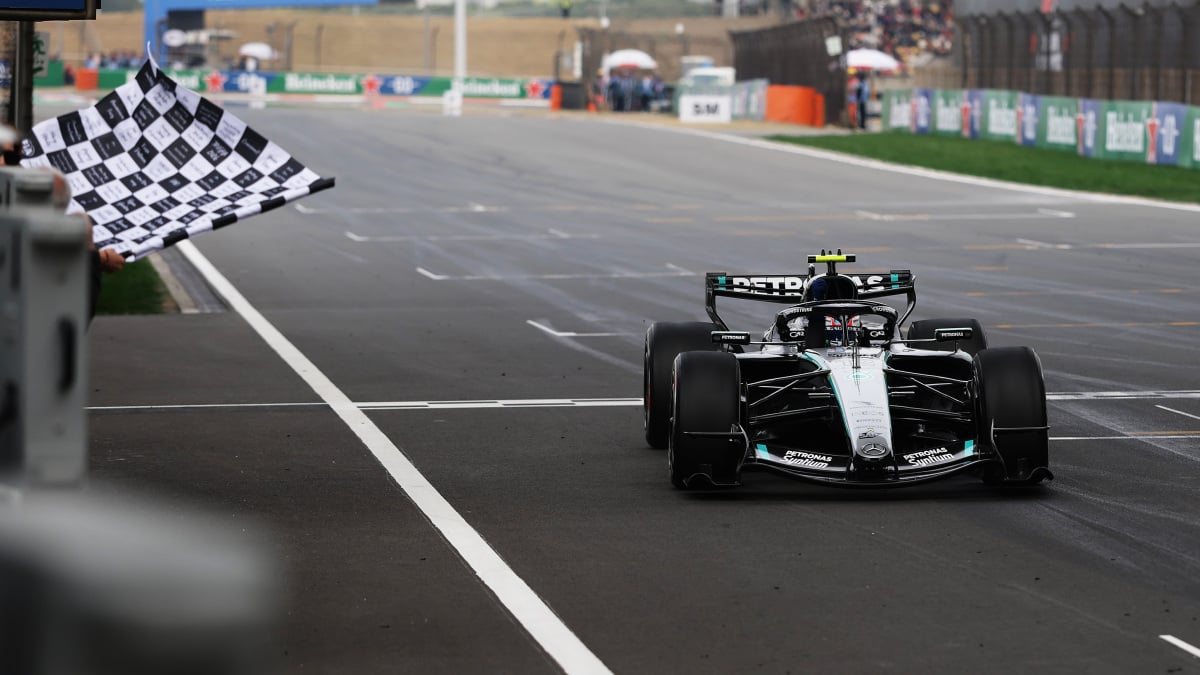
Why Suzuka's Result Could Define the 2024 F1 Championship Battle
As the 2024 Formula 1 season approaches its critical juncture, the Japanese Grand Prix at Suzuka has emerged as a pivotal event with far-reaching implications for the championship standings. This race, held on the challenging 5.098 km track known for its tight corners and high-speed straights, has historically been a battleground where strategic decisions and driver performance converge to determine the season's trajectory.
The recent victory by Kimi Räikkönen at Suzuka has intensified the narrative around how individual performances can shift the overall championship. His second career win at this iconic circuit demonstrates the unique blend of technical precision and tactical adaptability required to excel in F1. The implications for the 2024 standings are profound, as a single race can alter the order between contenders with a 10-point gap.
One key factor driving this race's significance is the strategic landscape at Suzuka. The track's demanding conditions—particularly its high-speed straights and narrow corners—demand precise tire management and pit stop strategies. Teams must carefully balance between maintaining speed and minimizing wear on critical components like the front and rear wings, which directly impact lap times and overall race strategy.
Why the Japanese GP Is a Strategic Crucible
The Japanese Grand Prix at Suzuka has long been a test of resilience and adaptability, with its unique layout challenging even the most experienced drivers. Unlike other races, Suzuka's layout often requires teams to adjust their strategies based on real-time conditions, such as rain or temperature fluctuations.
- Track Characteristics: Suzuka's 5.098 km circuit features a mix of high-speed straights and tight corners, demanding precise tire management and strategic pit stop timing.
- Historical Context: The track has seen multiple championship battles, with drivers like Kimi Räikkönen securing multiple victories, highlighting its role in shaping key championship outcomes.
- Strategic Complexity: Teams must adapt to varying track conditions, including tire wear and weather patterns, to maximize their performance.
For teams vying for the top spot, the implications of a strong Suzuka performance are significant. A win here can secure a crucial position in the standings, especially if the championship gap is narrow—less than 10 points. This is the first time in 2024 that the gap has been so tight, making Suzuka a potential turning point.
Additionally, the race's strategic depth extends beyond individual performances. For instance, the use of tire strategies and pit stop timing can significantly impact a team's overall standings. Teams that excel in these areas often gain a competitive edge in the final standings.
The upcoming Japanese Grand Prix presents a unique opportunity for teams to showcase their adaptability and strategic acumen. With the championship battle intensifying, this race could become the decisive moment that shapes the final standings for the 2024 season.