As the political landscape shifts, a critical question emerges: Can the 'Make America Healthy Again' initiative truly revitalize Republican majorities? This movement, once a promising counterbalance to progressive health policies, now faces unexpected challenges rooted in grassroots activism and evolving voter priorities.
Why Health Politics Became a GOP Battleground
Historically, health policy discussions were dominated by Democratic initiatives. However, the rise of figures like Robert F. Kennedy Jr. and his Make America Healthy Again (MAHA) movement has redefined this narrative. MAHA’s focus on herbicide regulation, particularly glyphosate, has shifted attention to agricultural and environmental health impacts—areas where Republicans traditionally held less influence.
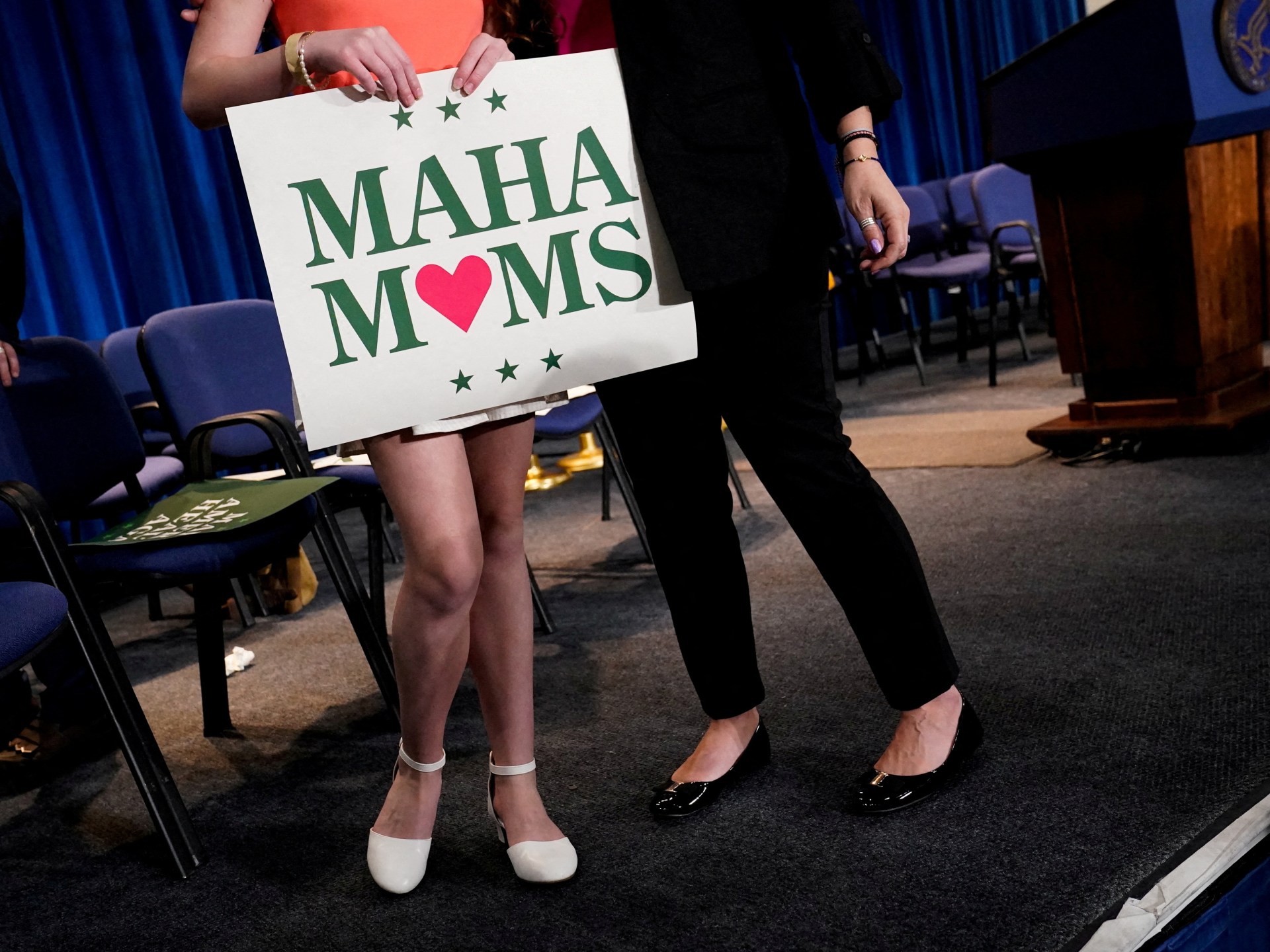
The irony is stark: RFK Jr.’s movement was initially positioned as a potential savior for Republican health policy majorities. Yet, as grassroots groups like the MAHA Moms emerge, they are testing the limits of this strategy. These activists, composed of mothers and community organizers, are leveraging their influence on glyphosate and other agricultural chemicals to push for policy changes that could reshape the GOP’s approach to health and environmental issues.
How MAHA Moms Are Shaping the Narrative
The MAHA Moms represent a unique intersection of health advocacy and political strategy. Unlike traditional lobbying efforts, they operate through direct engagement with state legislators and local policymakers, focusing on glyphosate as a critical health threat. Their influence is not just about policy but about redefining what 'health' means in American politics—a shift that challenges long-standing GOP frameworks.
- They organize town halls and community meetings in rural and suburban areas where glyphosate use is prevalent.
- They collaborate with agricultural scientists to provide evidence-based data on glyphosate’s health risks.
- They push for state-level bans on glyphosate in areas with high concentrations of pesticide-resistant crops.
This strategy has proven effective in mobilizing local support, but it also highlights a tension within the GOP: balancing traditional economic interests with emerging environmental health concerns.
Why the Trump Endorsement Strategy Failed
Recent developments in Iowa and beyond reveal a critical breakdown in the GOP’s ability to leverage health policy for electoral gains. The 'Trump endorsement' narrative, once a key strategy for winning over swing voters, has faltered as voters prioritize immediate health concerns over political affiliations.
For example, in states with high glyphosate usage, voters are increasingly demanding action on agricultural chemicals, not just economic policies. This shift has left the GOP without a clear path to align their health agenda with voter priorities, resulting in a weakened position on the issue.
The implications are significant: Without a coherent strategy to connect health policy with voter concerns, the GOP risks losing its ability to frame health as a priority that aligns with their core values.
What’s Next for Health Politics in America?
The future of health policy in America depends on whether the GOP can adapt its approach to reflect the growing influence of grassroots health movements. While the 'Make America Healthy Again' initiative has potential, its success will depend on how effectively it integrates community-driven insights into policy-making.
As MAHA Moms and similar groups continue to push for action on glyphosate, the GOP must confront the reality that health policy is now a critical issue for all Americans—not just a niche movement. Without this adaptation, the movement risks becoming a footnote in the broader political landscape.