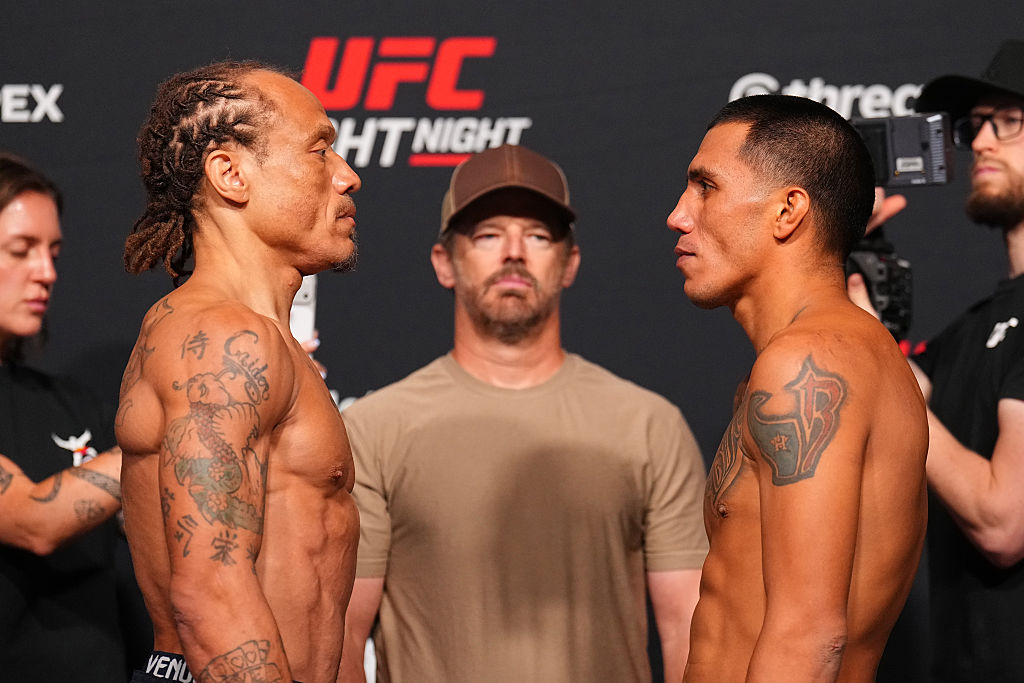
Marcus McGhee has emerged as one of the most intriguing and resilient fighters in modern UFC history. With a career marked by tactical precision and mental fortitude, McGhee’s journey reflects a unique blend of technical skill and psychological resilience. His ability to maintain composure under pressure has set him apart in a sport where emotions often dictate outcomes.
Why Does Marcus McGhee’s Calm Approach Stand Out?
McGhee’s reputation for staying even-keel has been a cornerstone of his success. Unlike many fighters who rely on explosive aggression, McGhee prefers a methodical, adaptive approach that allows him to exploit opponents’ weaknesses without unnecessary risk. This philosophy is not just tactical—it’s a psychological weapon.
- His ability to read opponents before engagement
- Strategic use of footwork to control distance
- Adaptability in transitions between striking and grappling
For example, at UFC Vegas 118, McGhee faced John Yannis, a fighter known for his aggressive style. Despite Yannis’ high-oxygen offense, McGhee neutralized the threat with precise timing and defensive adjustments, showcasing his mastery of counter-fighting.
What makes McGhee’s calmness so effective? It’s rooted in extensive training and mental preparation. His coaches emphasize visualization techniques and stress management drills that prepare him for high-stakes moments. This isn’t just a fighting style—it’s a mindset that’s proven to outlast opponents physically and mentally.
McGhee’s approach has real-world implications beyond the cage. In a sport where emotional outbursts can lead to turnovers, his even-keel philosophy offers a model for how fighters can manage pressure without compromising their performance.