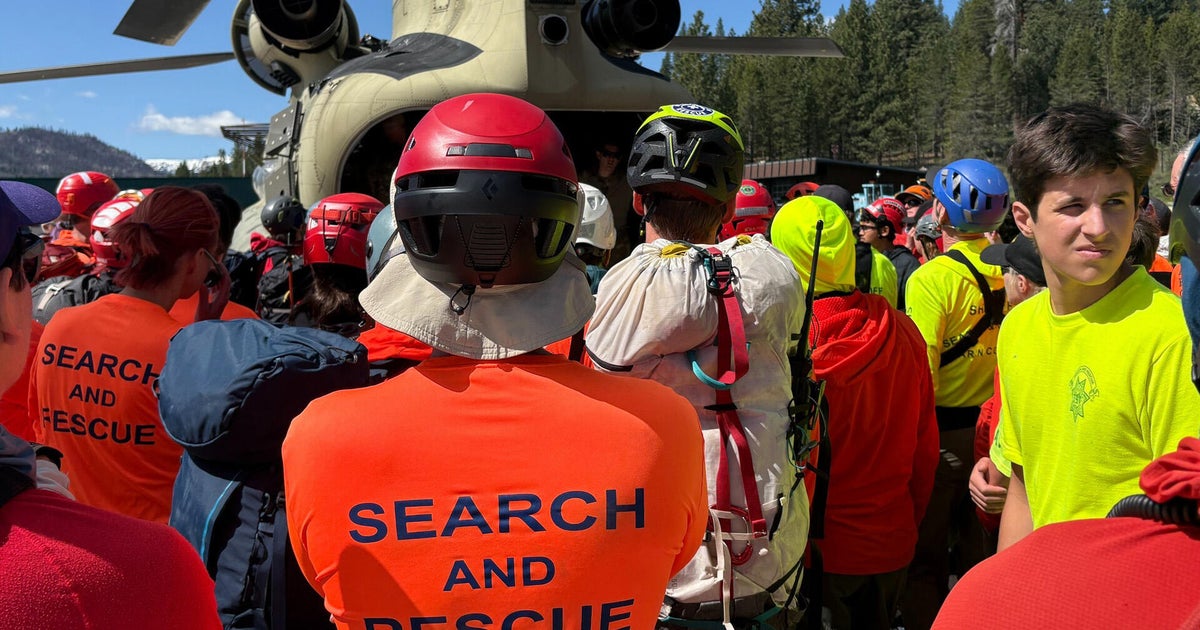
In the remote, rugged terrain of Lake Tahoe's Desolation Wilderness, a single disappearance has become a case that underscores the challenges of search and rescue operations in America's most treacherous landscapes. On May 25, a 60-year-old man named Jason Coughran left his home in Fallen Leaf Lake, a small lake nestled near the southern edge of Lake Tahoe, and vanished without a trace. Over 100 miles of wilderness, steep cliffs, and unpredictable weather have made this search one of the most complex in recent history.
Why Is This Search So Difficult?
The search for Jason Coughran is not just about finding a missing person—it's about navigating a landscape where even the most experienced teams struggle. The Desolation Wilderness, known for its steep canyons and rapidly changing weather, has become a notorious zone for outdoor fatalities. According to the El Dorado County Sheriff's Office, Coughran was last seen at 4 p.m. on May 25, just days after Memorial Day weekend, a period when hikers often venture into remote areas for solitude.
Large-scale search efforts have involved over a dozen agencies, from the U.S. Forest Service to local sheriff's departments, all working in coordination. Yet, even with this level of cooperation, the terrain presents unique challenges. The area's dense vegetation, limited cell service, and the fact that Coughran had no communication with anyone for nearly a week have made traditional methods like GPS tracking or satellite calls ineffective.
What Makes the Desolation Wilderness So Dangerous?
- Extreme weather conditions that can change rapidly, from sunny to stormy in minutes
- Shallow, fast-moving water and steep, rocky terrain that can lead to quick fatalities
- Minimal human presence in this remote area, so few people know exactly where to look
The case highlights how the wilderness, while beautiful, can be a deadly environment. It's not just about finding someone—it's about understanding the risks that make these areas so unpredictable.
As the search continues, families and agencies are using new tools like thermal imaging drones and ground-penetrating radar, which have been proven effective in similar cases. But even these technologies can't operate in zero visibility or in areas with no clear landmarks.
What's most concerning is that this case is not just a single incident—it's a reminder that the risks of missing persons in remote areas are real and often underestimated.