2026 World Cup Mexico Safety: Tech & Traditions at the Forefront

Editor 06 Jun, 2026 ... min lectura

As the 2026 FIFA World Cup approaches, Mexico stands at the intersection of global spectacle and national security. The country, hosting the tournament for the first time since 1986, must balance the excitement of a record-breaking event with unprecedented safety challenges. With over 1.5 billion people expected to watch the World Cup globally, the stakes for Mexican security forces and international stakeholders are higher than ever.

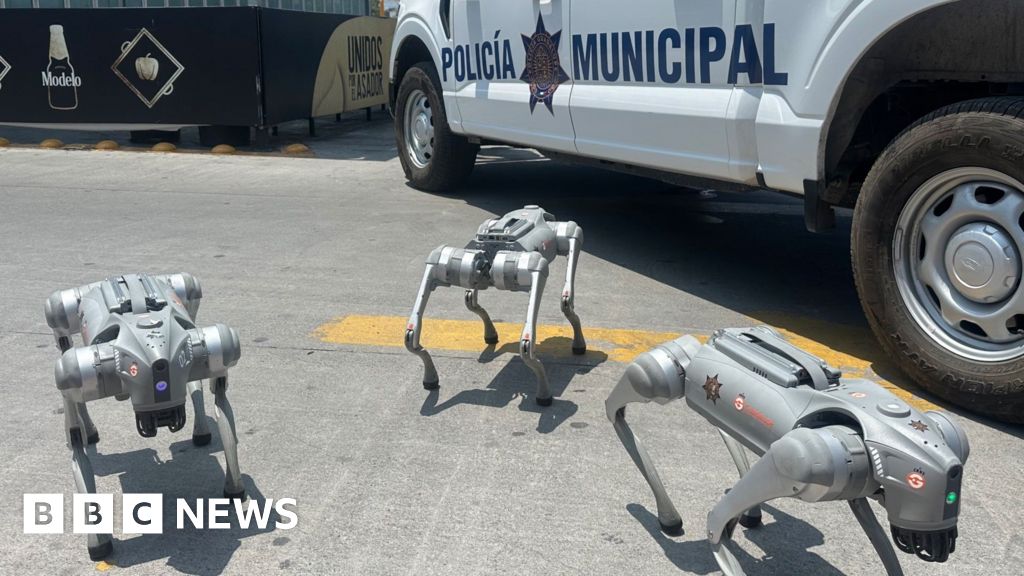
Monterrey, Mexico, has already begun implementing cutting-edge technologies to safeguard its venues. Local authorities deployed robodogs—autonomous robotic dogs capable of detecting explosives and tracking suspects—alongside surveillance helicopters equipped with thermal imaging. These tools, while innovative, raise questions about their effectiveness in a diverse urban environment where cultural nuances often complicate security protocols.

Can Mexico Handle the Security Crisis?

The U.S. Embassy’s recent update on travel guidance for Mexico reflects growing concerns. The embassy warns travelers to exercise extra caution due to potential civil unrest and crime hotspots, particularly in areas with high tourist activity. This guidance underscores the complex interplay between tourism, security, and political stability in Mexico. As the World Cup unfolds, safety remains a paramount concern for both locals and international visitors.

Historically, Mexico has faced significant security challenges, from the 1994 Los Angeles Olympics to the 2014 World Cup in Brazil, where safety concerns overshadowed the event’s cultural highlights. The 2026 World Cup in Mexico will not be the first time that the country has faced security pressures, but the scale of this event—boasting 48 teams, 120+ matches, and a multi-city footprint—will test the limits of current systems.

  • Robodogs in Monterrey: Deployed to monitor high-risk zones, these robots can cover large areas faster than human patrols.
  • Thermal imaging in helicopters: Used to detect heat signatures during nighttime operations, crucial for identifying potential threats.
  • U.S. Embassy travel advisories: Highlighting the need for travelers to avoid certain areas and report suspicious activity.

The 2026 World Cup in Mexico also highlights the irony of the country’s role as the birthplace of tequila. The event’s cultural significance, including its association with tequila and other traditional beverages, contrasts sharply with the security challenges that arise from the influx of international visitors and local economic pressures. While the country’s hospitality and vibrant culture are celebrated globally, the underlying social and economic issues must be addressed to ensure a safe and inclusive event.

Experts stress that success will depend on collaborative efforts between Mexican authorities, international partners, and the host cities. Without proactive measures and a deep understanding of local dynamics, the World Cup could become a flashpoint for tensions that could disrupt the tournament’s legacy.