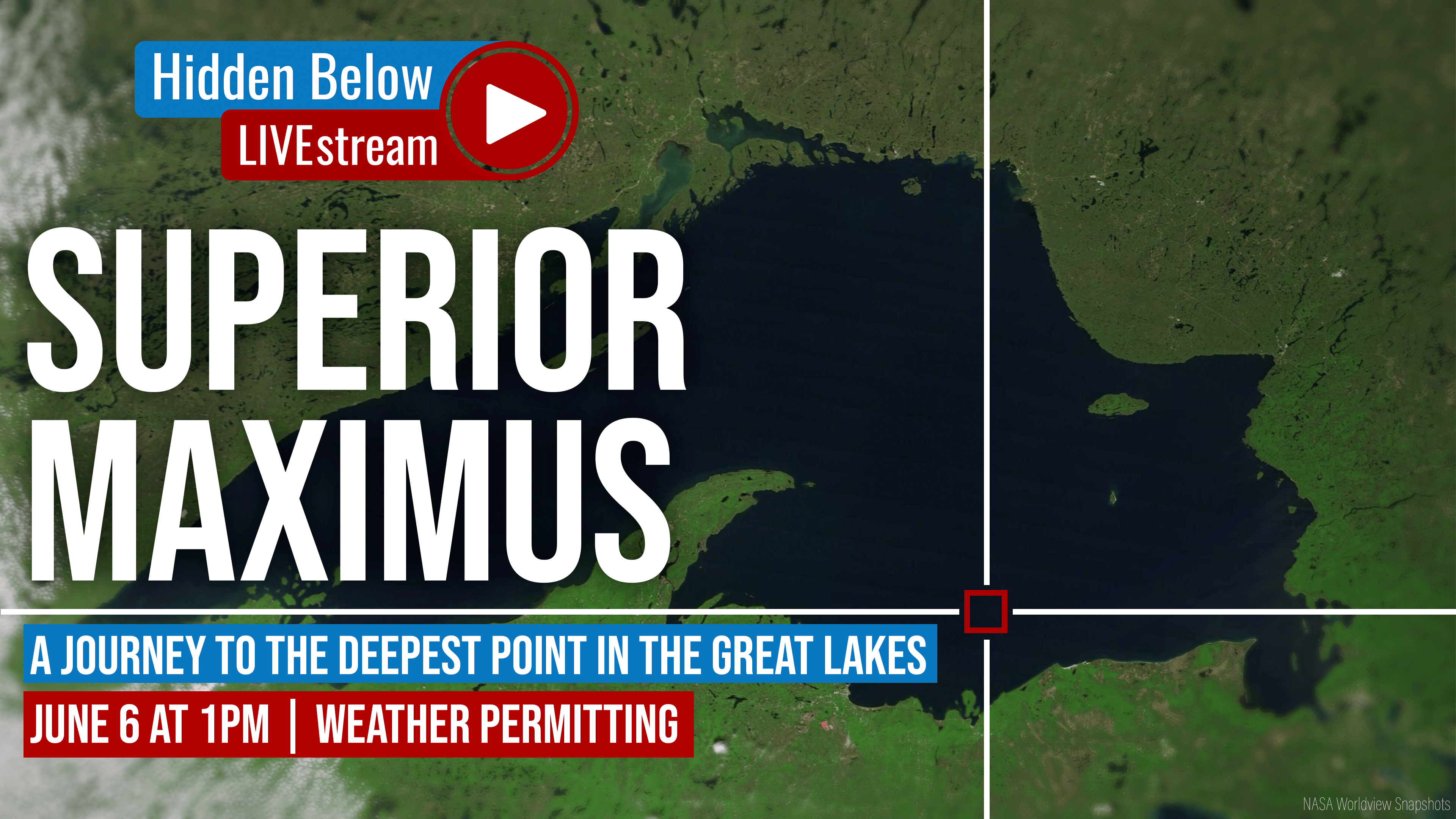
The Great Lakes, a vital freshwater reservoir stretching across North America, have long been celebrated for their ecological significance and economic value. Today, a groundbreaking expedition is set to illuminate the mysteries of their deepest point, Superior Maximus, a region untouched by scientific exploration in over four decades. This initiative, spearheaded by a coalition of marine biologists and researchers from the Great Lakes Now project, promises to reveal previously unknown species and critical ecosystem dynamics within the world’s largest freshwater system.
Why is the Great Lakes' Deepest Point a Scientific Frontier?
For the first time since the 1980s, researchers are venturing into the abyssal zones of Lake Superior, where water depths exceed 600 meters. This region, known as Superior Maximus, has been a virtual black box in marine science due to its extreme isolation and harsh environmental conditions. The expedition’s primary goal is to document biodiversity, particularly focusing on elusive species like the lake trout and invasive species that have disrupted native populations since the 1990s.
Historically, the Great Lakes have served as a model for studying freshwater ecosystems, with their unique hydrological patterns and interconnected watersheds shaping regional climate and biodiversity. However, the depth of Lake Superior’s deepest point has remained a mystery until now, with limited data on its biological activity since the last major survey in the 1980s. This gap in knowledge poses a critical challenge for understanding the resilience of these ecosystems amid climate change and invasive species pressures.
- Deep-Sea Exploration**: The team uses advanced sonar and submersibles to map uncharted terrain, identifying potential habitats for newly discovered species.
- Invasive Species Surveillance**: Monitoring the spread of zebra mussels and other invasive species that impact native fish populations.
- Climate Impact Analysis**: Assessing how rising water temperatures affect deep-water organisms and their food chains.
These efforts aim to provide actionable insights for conservation strategies, particularly as the Great Lakes face increasing threats from industrial pollution, habitat fragmentation, and global warming.
What Makes Superior Maximus a Priority for Future Research?
Superior Maximus represents a rare opportunity to study a relatively undisturbed ecosystem. Unlike other regions of the Great Lakes, this area has not been subjected to significant human interference, making it an ideal laboratory for understanding natural biodiversity dynamics. The expedition’s real-time data collection and public engagement through live broadcasts will democratize scientific discovery, allowing global audiences to participate in the process.
By focusing on the deepest point of the Great Lakes, researchers hope to address gaps in our understanding of deep-water ecosystems, which are crucial for maintaining the health of the entire Great Lakes system. This initiative also highlights the importance of international collaboration, as the Great Lakes basin spans multiple countries and ecosystems.
The findings from this expedition could have far-reaching implications for global freshwater conservation, emphasizing the need for proactive measures to protect these vital resources.