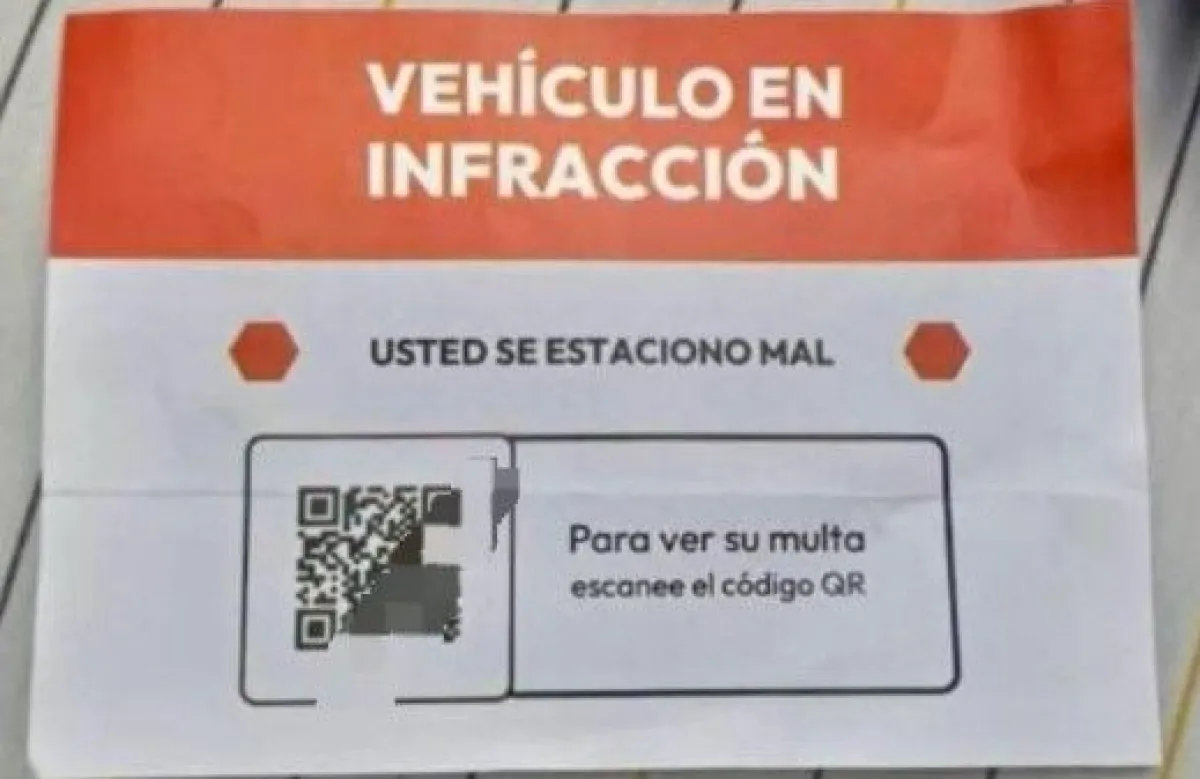
As fraudulent schemes targeting vehicle owners escalate across Latin America, a growing number of drivers are falling prey to sophisticated QR code scams that mimic official traffic violation notices. These deceptive alerts often appear on windshields as 'falsos avisos de infracción' (false violation notices), tricking unsuspecting motorists into scanning malicious QR codes that lead to phishing sites or unauthorized charges.
Are you at risk of being scammed by fake traffic violation QR codes?
Recent outbreaks in regions like Viedma, Colombia, have highlighted the urgency of recognizing these scams. In a recent alert from the local government, officials warned that fraudsters are embedding counterfeit traffic fines on windshields using QR codes that direct victims to fake platforms claiming to 'resolve' non-existent violations. The tactics mirror historical patterns of digital fraud, but with a modern twist: targeting vehicle owners through physical infrastructure—windshields—rather than digital channels.
According to the Colombian National Traffic Authority (CONTRAVI), these scams often exploit gaps in the public's understanding of official communication channels. Unlike traditional fines, which require a legitimate process to be logged and verified, fake QR codes bypass these safeguards by appearing on windshields—a location where drivers rarely check for digital messages.
Here's what you must do if you've been targeted:
- Immediately check your windshield for any physical signs of tampering or unauthorized stickers
- Do not scan any QR code found on your windshield unless you verify the source through the official traffic department website
- Report the incident to local authorities or the Contravención Digital platform within 48 hours
Victims who have been affected by these QR-based scams report significant financial losses, with some paying for 'falsos servicios de reparación' (fake repair services) that never materialize. In one case documented by the Colombian National Police, a driver in Viedma paid $250 for a 'traffic violation resolution' that was never delivered, only to discover the QR code led to a phishing site.
Experts emphasize that these scams are part of a broader trend of physical-to-digital fraud, where scammers manipulate real-world objects (like windshields) to trigger digital exploitation. Unlike online scams, these physical QR codes create a direct, immediate threat to the user's physical space—your vehicle itself.
As the Colombian National Traffic Authority notes, the rise of these scams coincides with increased digital literacy in vehicle maintenance and the growing use of QR codes for official communications. While the government has launched initiatives to combat these scams, including a national alert system for traffic violations, the scale of the problem requires coordinated action at both local and national levels.
For those who have been targeted, the key is to act fast. If you find a QR code on your windshield, the first step is to contact your local traffic office or the Contravención Digital platform to confirm legitimacy before taking any action. Delaying can result in further financial loss or even physical harm if the 'repair' involves unauthorized modifications to your vehicle.