As electric vehicle adoption surges globally, the seamless integration of charging infrastructure becomes critical. Recent advancements in UL certification and AI-driven battery optimization are reshaping how vehicles and networks interact. This synergy is not just incremental—it’s transformative for safety, efficiency, and scalability.
Why UL Certification Matters More Than Ever
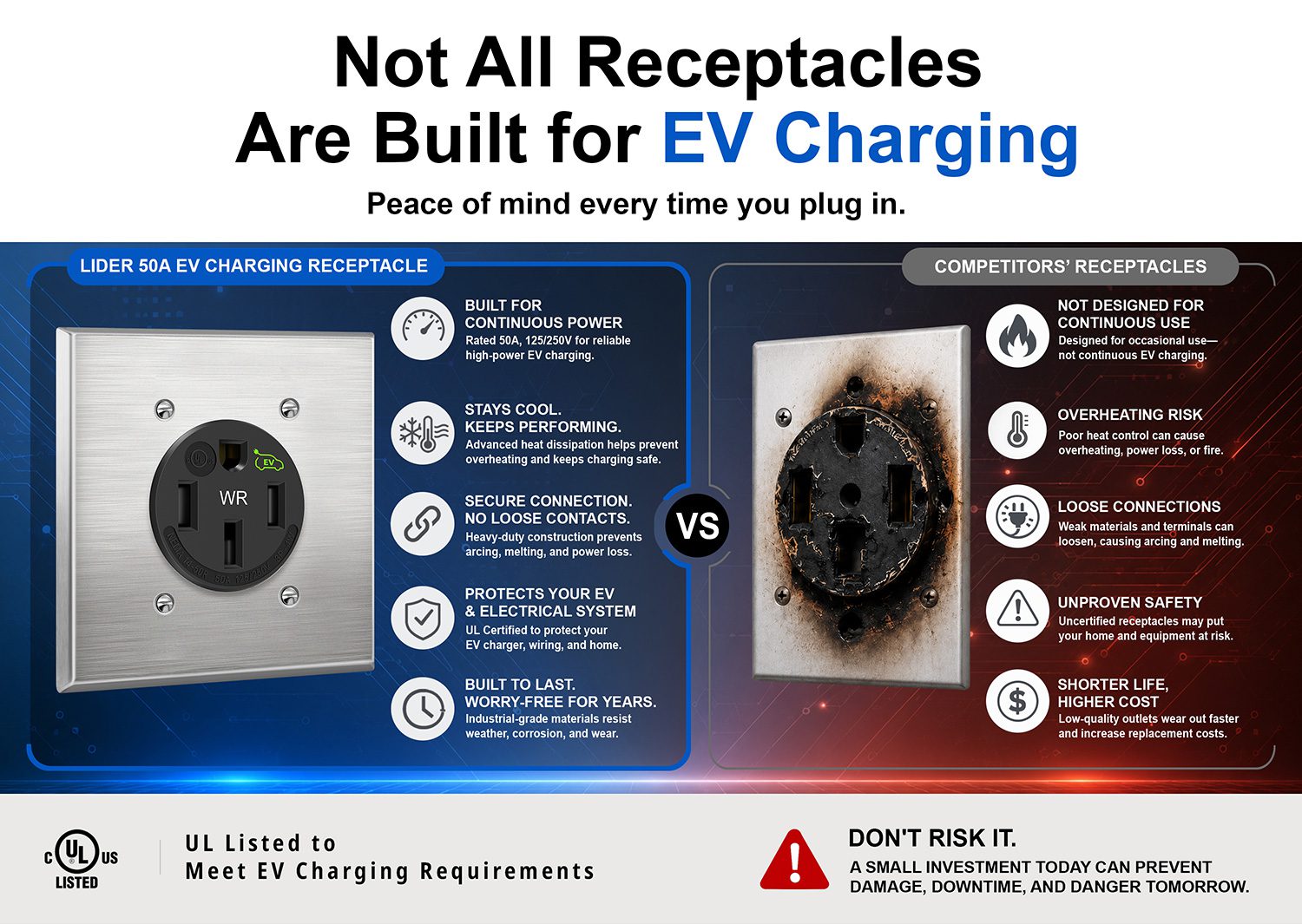
Traditional electrical standards often lag behind the rapid evolution of EV technology. In 2026, Lider Electric secured a landmark certification for its NEMA 14-50 receptacles with Electric Vehicle Marking (EVM), a process that ensures compliance with modern EV charging needs. Unlike conventional outlets, these receptacles are engineered to handle the unique demands of high-power EVSE (Electric Vehicle Supply Equipment) units, reducing fire risks and improving reliability.
The significance of this certification lies in its direct response to real-world challenges. For instance, standard NEMA 14-50 outlets, used for high-power appliances, can overheat when connected to EV chargers without proper safeguards. Lider Electric’s certification addresses this gap by embedding EVM into the receptacle design, enabling automatic detection and adjustment of power delivery to match the vehicle’s requirements.
What Does This Mean for Homeowners?
- Real-time monitoring of power fluctuations to prevent overloads
- Enhanced compatibility with EVSE units that support dynamic load balancing
- Reduced risk of electrical fires caused by mismatched power delivery
These features are not theoretical—they’re implemented in real-world installations. Homeowners who previously faced compatibility issues now benefit from a safer, more intuitive charging experience. The certification also aligns with the National Electrical Code (NEC) updates, ensuring that installations meet evolving safety standards.
AI’s Role in Battery Optimization
While UL certification focuses on infrastructure, artificial intelligence is revolutionizing battery chemistry itself. Recent breakthroughs in AI-generated battery electrolyte recipes have achieved performance parity with top-tier lithium metal batteries. By modeling complex electrochemical processes, AI algorithms can predict optimal electrolyte compositions that maximize energy density while minimizing degradation.
For example, a 2026 study demonstrated that an AI system reduced electrolyte-related failures by 42% compared to traditional trial-and-error methods. This isn’t just about improving battery lifespan—it’s about enabling longer driving ranges with fewer maintenance interruptions. Such advancements are critical for future-proofing EVs in high-traffic urban environments.
The Convergence: A Smarter Future
The most significant impact of these developments comes from their synergy. When UL-certified infrastructure meets AI-driven battery optimization, the entire EV ecosystem becomes more robust. Imagine a scenario where an EV charger automatically adjusts power based on the battery’s real-time state of charge, while the underlying grid adapts to demand fluctuations through smart grid integration. This is the future of EV charging: intelligent, self-regulating, and inherently safe.
As adoption accelerates, this convergence will drive further innovation. Policymakers, manufacturers, and consumers must prioritize interoperability and standardization to ensure that these advancements benefit everyone. The next decade won’t just be about more EVs—it’ll be about smarter, safer, and more resilient charging ecosystems.