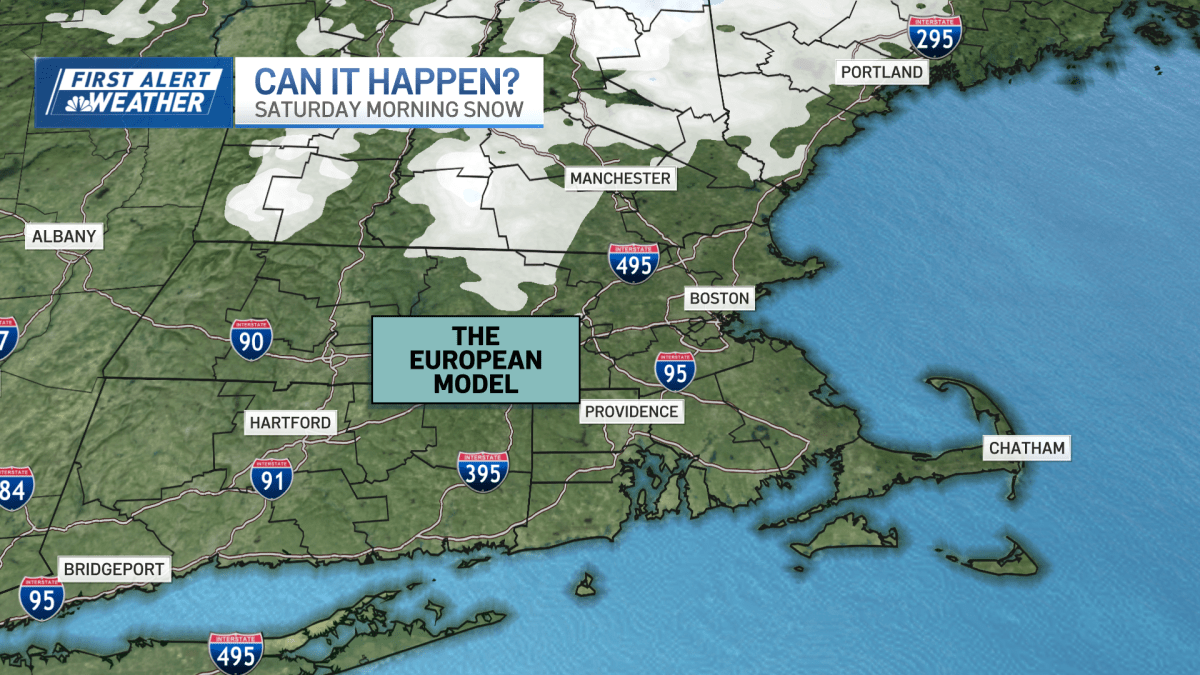
As spring temperatures begin to rise across New England, Boston faces a startling deviation from typical seasonal patterns. A powerful extratropical low-pressure system is developing along the Atlantic coast, bringing unseasonable cold, rain, and potential snow. This isn't just a fleeting weather anomaly—it's a textbook example of climate variability disrupting seasonal expectations.
Is Boston's Cold Snap Really a Climate Shift?
According to the National Weather Service, the current weather system has already brought temperatures as low as 28°F (-2°C) to coastal areas of Massachusetts. This is significantly colder than the average spring high of 55°F (13°C) in Boston. The rapid temperature drop is linked to a strong polar vortex intrusion, where frigid air from Canada sweeps down into the Northeast.
Local meteorologist Pete Bouchard, who reported on this event for NBC Universal, explains that the system isn't just a brief blizzard but a multi-day event with significant impacts. 'This isn't a normal spring transition,' he noted during his live update on May 29, 2026. 'We're seeing frigid rain, cold temperatures, and strong winds—conditions that would typically be associated with late March or early April.'
What Makes This Event Unusual?
The unusual timing of this cold snap is particularly concerning. Typically, spring in Boston begins with mild conditions, with the first snowfall occurring around late April or early May. However, this system is pushing temperatures into the 30s and 40s below zero, far below historical averages. The National Oceanic and Atmospheric Administration (NOAA) has flagged this as one of the most rapid cooling events in the region since 2020.
- Frigid Rain**: Rain falling at 28°F (-2°C) is rare in Boston—this is the first time in the past decade that such cold rain has been recorded at this temperature.
- Strong Winds**: Sustained winds exceeding 35 mph are causing widespread power outages in parts of the city, disrupting daily routines.
- Unseasonal Snow**: While snow isn't expected until later in the week, the system has already triggered a snow advisory in parts of the city.
The impact of this event extends beyond immediate weather concerns. It highlights the growing unpredictability in regional climate patterns. As the Atlantic Ocean warms due to oceanic currents, the polar vortex becomes more unstable, leading to more frequent and intense cold snaps in late spring.
Residents and businesses must prepare for the consequences of this unusual weather. The National Weather Service has issued a winter storm warning for the next 12 hours, urging people to monitor updates closely. With temperatures expected to drop into the teens, this event could delay spring planting efforts and affect outdoor events across the city.