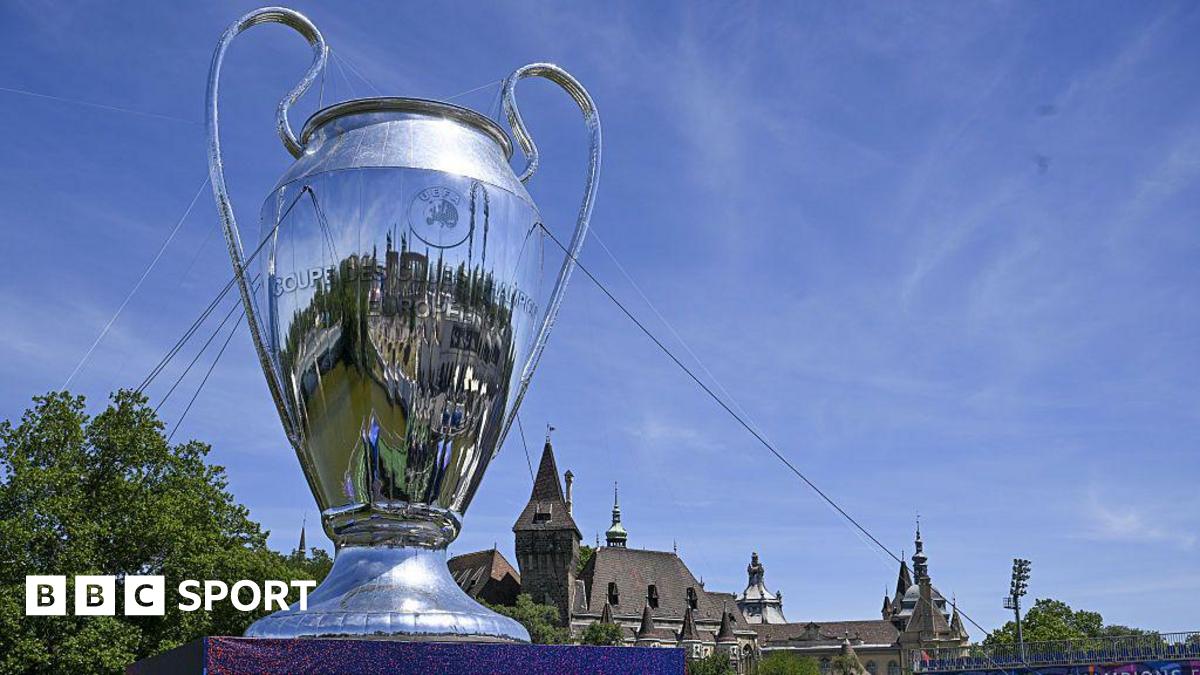
Budapest, the vibrant capital of Hungary, has always been a city of contrasts—where ancient history collides with modern ambition. This weekend’s Champions League final at Puskás Arena is set to redefine its global standing, not just as a sports venue but as a cultural and political stage. With police investigating a fan brawl and local politics shaping the narrative, Budapest’s role in this historic event is more nuanced than most realize.
Why is Budapest’s Champions League final so significant?
For the first time since 2006, Budapest hosts the Champions League final, a moment that echoes beyond the pitch. The 2023 Europa League final at Puskás Arena highlighted the city’s ability to host major international events, but this year’s UCL final promises a different kind of spectacle. The city’s infrastructure, from the Puskás Arena’s capacity to 20,000 spectators, has been meticulously prepared to welcome the world’s best teams and fans.
Behind the scenes, Viktor Orbán’s government has faced scrutiny over its handling of public safety during the event. The recent fan brawl investigation has drawn attention to tensions between state control and grassroots activism, a theme that resonates globally. Budapest’s history of hosting high-stakes events, from the 1956 uprising to today’s sports diplomacy, shows how the city navigates between national pride and international scrutiny.
What makes this final unique?
- Historical context: Budapest has hosted the Champions League twice before, in 2006 and 2023, but this final is the first time it’s been a central part of the competition’s narrative.
- Political undertones: Orbán’s government has been criticized for its influence on public spaces, including the Puskás Arena, which has become a symbol of national identity.
- Global impact: The final’s location in a city known for its resilience and cultural diversity offers a unique lens for understanding how sports and politics intertwine.
The fan brawl investigation reveals a deeper story: the city’s struggle to balance its role as a host city with the realities of modern sports events. Police are reviewing footage to identify those involved, a process that has already sparked debates about accountability and transparency.
As the final approaches, the city’s infrastructure and cultural fabric are under the spotlight. The Puskás Arena, named after the legendary footballer Ferenc Puskás, is not just a stadium—it’s a symbol of Hungary’s sporting legacy. Yet, the recent fan incidents highlight the challenges of maintaining order in a city that thrives on both tradition and innovation.
Budapest’s story is one of adaptation. From its medieval streets to the modernized arena, the city has always been at the crossroads of history and progress. The Champions League final is more than a game—it’s a microcosm of how cities shape global narratives through sport, politics, and community.