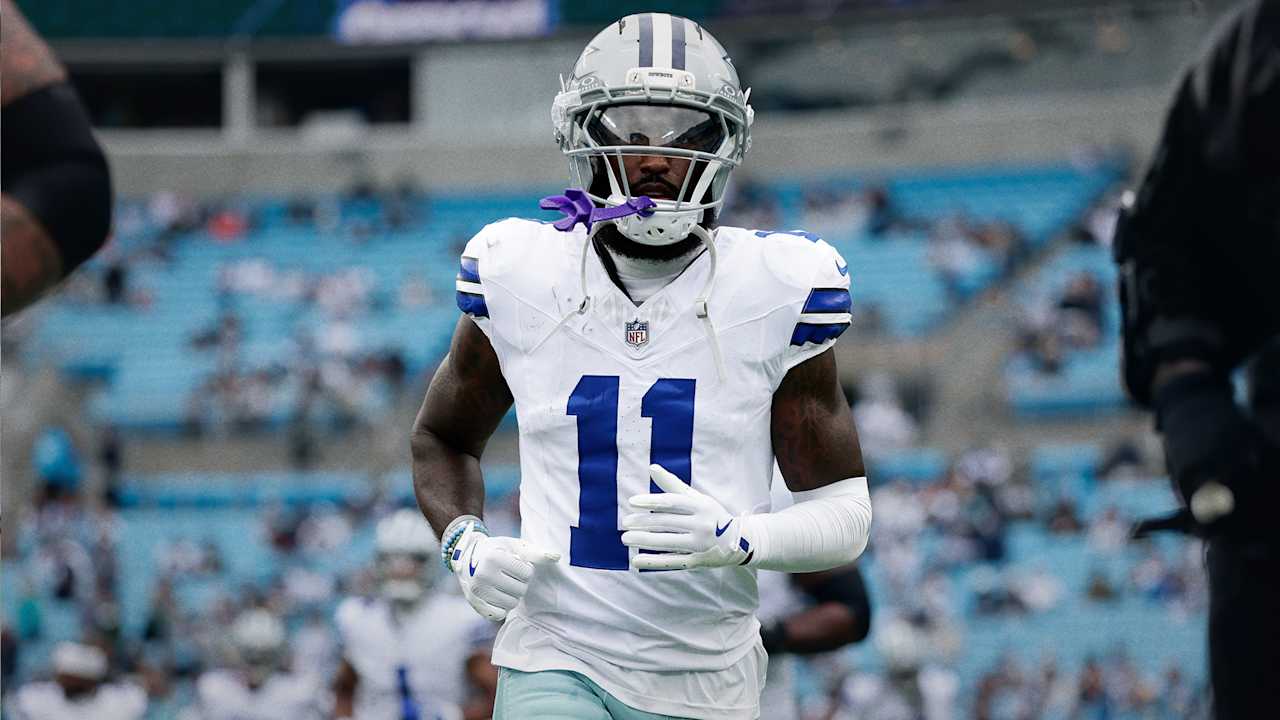
At just 28 years old, Dallas Cowboys wide receiver Parris Campbell has made headlines by retiring from the NFL after seven seasons. This decision, confirmed by multiple sources, marks a surprising end to a promising career that began with a strong foundation at Ohio State. Campbell's exit comes amid growing interest in the evolving dynamics of athlete longevity and career management in professional sports.
Why Did Parris Campbell Retire?
Unlike many athletes who extend their careers through strategic transitions, Campbell's retirement is notable for its abruptness and lack of public announcement. While the Cowboys' official statement highlighted his decision to move to the retired list, Campbell himself has not publicly detailed his reasoning. This silence has sparked speculation about potential health issues, personal circumstances, or even a strategic move to focus on post-NFL pursuits.
Historically, young athletes often face challenges related to physical wear and tear, but Campbell's case is distinct. At 28, he's well below the typical retirement age for many positions, suggesting that factors beyond conventional athletic decline may be at play. The NFL has seen a rise in athletes opting out due to injuries, but Campbell's decision appears to be more nuanced than a simple health crisis.
What Can We Learn from His Career?
- Early Development**: Campbell’s journey began with a strong academic foundation at Ohio State, where he developed both his physical and mental skills. His performance there laid the groundwork for a successful transition to the NFL.
- Adaptability**: The ability to adjust to different offensive schemes and positions is a critical factor in a wide receiver's success. Campbell's versatility was a key asset for the Cowboys.
- Long-term Vision**: Despite his short tenure, Campbell has shown a keen understanding of the importance of long-term career planning, which is increasingly vital in today's fast-paced sports landscape.
His retirement decision highlights the growing emphasis on athlete well-being and the challenges of balancing professional commitments with personal growth. As the NFL continues to evolve, athletes like Campbell are setting precedents for how careers can be structured around health, personal goals, and future opportunities.
For fans and analysts alike, Campbell’s story serves as a reminder that career decisions are deeply personal and often influenced by a range of factors that extend beyond the field. His retirement at 28 is a testament to the complexity of modern sports careers and the need for comprehensive athlete support systems.



