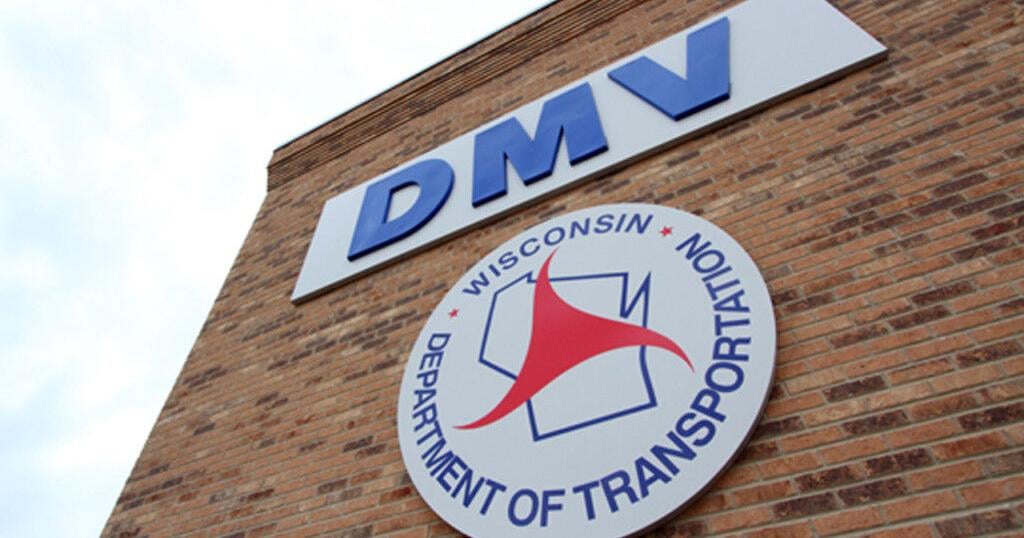
The Wisconsin Department of Transportation (DOT) has recently taken significant action against eight car dealers across the state, including two in Arlington. This move, part of a broader enforcement effort, highlights the state's commitment to maintaining regulatory standards within the automotive sector. The Department of Transportation's Division of Motor Vehicles (DMV) has been proactive in identifying and addressing compliance issues among vehicle dealers, ensuring that consumers are protected from substandard practices.
Under the recent decision, the state revoked the wholesale dealer licenses of multiple businesses, including those in Beaver Dam. Point B Auto LLC and Aurum L... have been among the affected entities. These actions reflect a growing emphasis on accountability and transparency in the automotive supply chain. The state is not only focusing on individual dealers but also on the systemic health of the auto industry.
Why Does This Matter?
Consumers and industry stakeholders are closely watching this development. The implications of license revocations can be far-reaching, affecting not only the dealers but also the broader economic ecosystem of the state. When dealers operate without proper licenses, it can lead to a decline in service quality and consumer trust.
For instance, the revocation of licenses has been linked to increased regulatory scrutiny and potential financial penalties for non-compliant dealers. This move by the DOT is part of a larger strategy to ensure that all dealers adhere to state-mandated standards, including proper inventory management, vehicle safety checks, and adherence to state regulations.
- Immediate impact: Dealers without valid licenses face immediate operational restrictions, including the inability to sell vehicles or process transactions.
- Long-term effects: Repeated violations can lead to permanent license revocation and higher costs for businesses to reapply.
- Consumer protection: Ensuring that dealers meet regulatory standards helps maintain trust in the automotive market, which is crucial for a healthy economy.
The recent actions by the Wisconsin DOT demonstrate a clear focus on proactive regulation. This is particularly important given the state’s ongoing efforts to support small businesses while maintaining high standards of compliance. The Department of Transportation has been working closely with stakeholders to ensure that the process is fair and transparent.
Additionally, the revocation of licenses for these specific dealers—such as those in Beaver Dam—has sparked discussions about the balance between regulatory enforcement and the need for economic stability. The DOT's decision to target these dealers is not isolated; it is part of a broader trend of increased oversight in the automotive sector.
As the state continues to monitor the situation, it is critical for dealers to understand the implications of these actions and to take proactive steps to avoid future issues. The Department of Transportation has emphasized that these measures are in line with state law and are designed to protect consumers and maintain the integrity of the auto industry.