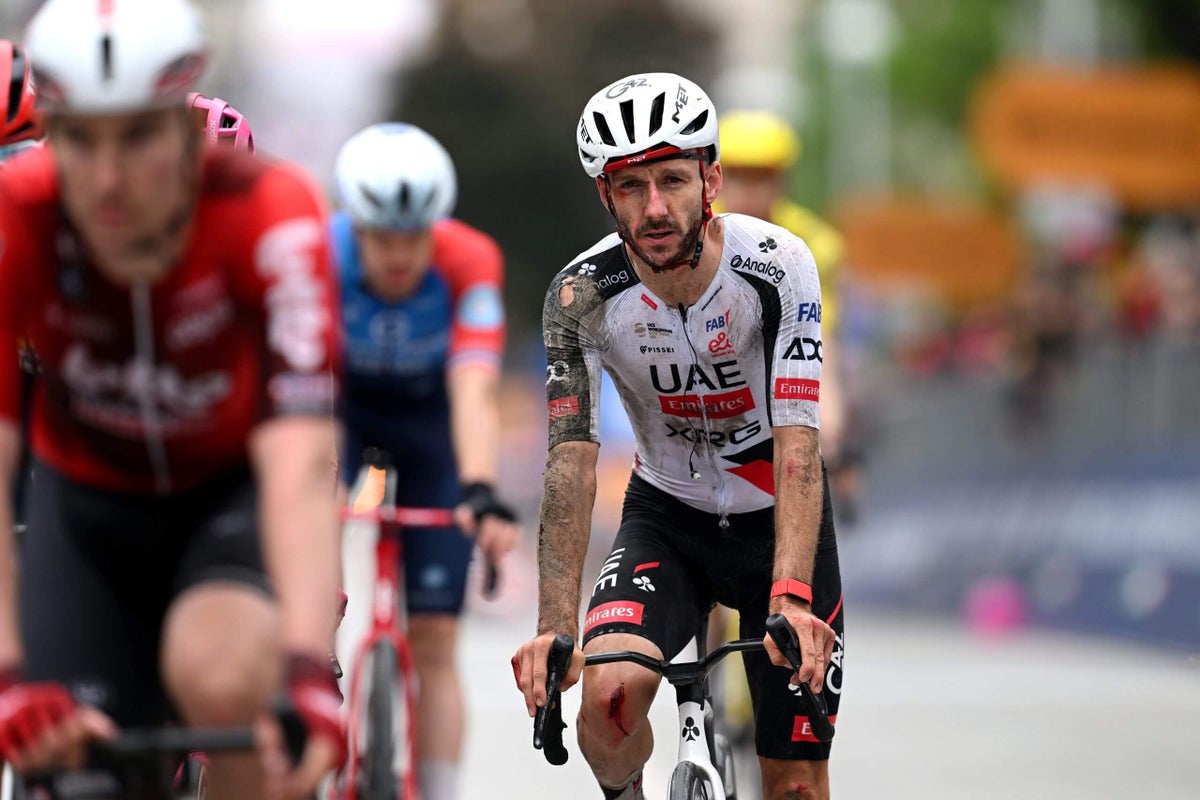
As the 2026 Giro d'Italia unfolds, the race has become a stark contrast between dramatic crashes, high-stakes withdrawals, and unexpected triumphs. On the third day of competition, the stage in Veliko Tarnovo saw a devastating incident that reshaped the race dynamics. Adam Yates, the British cyclist known for his aggressive racing style, was forced out of the competition after a severe crash that left him with concussion symptoms.
The incident occurred during a mass accident on stage 2, where Yates lost over 13 minutes in the final sprint. His withdrawal from the Giro d'Italia, announced by the race organizers, has sparked discussions about safety protocols and the physical demands of modern cycling. This is not the first time a top-tier cyclist has faced such a crisis; the sport has seen its share of high-risk moments, but the impact of a concussion on a professional athlete remains a critical concern.
Is the Giro d'Italia becoming too dangerous?
The Giro d'Italia has long been known for its grueling stages and unpredictable outcomes. With the 2026 edition already showing signs of heightened risk, the safety of athletes has become a focal point. Cyclists like Yates, who have been at the forefront of high-speed racing, now face a dilemma: prioritize speed and aggression, or prioritize safety?
- Cyclists' safety protocols have evolved significantly in recent years, but the physical toll of crashes remains severe.
- Medical response time in mountainous regions like the Italian Alps has become a critical factor in determining athlete recovery.
- Stage design has been criticized for high-speed sections that increase collision risks, especially in early stages.
The controversy surrounding Yates' withdrawal has also highlighted the need for better communication between teams and race organizers. In the past, such incidents have often led to delays in medical response, which can be life-threatening for athletes.
How does this impact the race?
The Giro d'Italia 2026 has seen a significant shift in the race dynamics, with new riders stepping into the spotlight. One such rider is Guillermo Thomas Silva from Uruguay, who has made history with a dramatic sprint victory in the second stage. His win has not only broken records but also signaled a potential shift in the race's competitive landscape.
Silva's victory, which came after a tightly contested second stage, has been met with widespread praise for his tactical brilliance and ability to withstand pressure. His performance has not only made headlines but also provided a stark contrast to the chaos of Yates' crash, illustrating the varying levels of risk and reward in professional cycling.
The race has also highlighted the importance of strategic planning and adaptability. As the Giro d'Italia continues, the balance between risk and safety will remain a critical issue for all participants. With the race now entering its most intense phases, the focus on athlete welfare and race integrity is more important than ever.