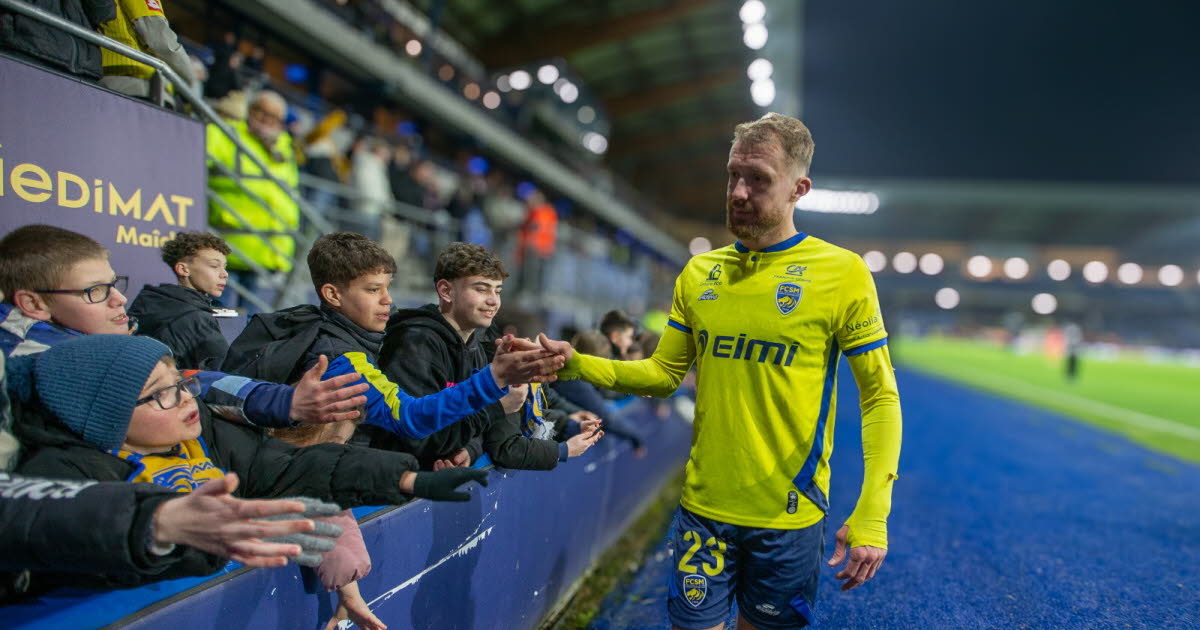
In the heart of French football's competitive National 2, the recent clash between FC Dijon and Sochaux has become a pivotal moment for tactical innovation and strategic recalibration. As the match unfolded on April 17, 2026, both teams faced a unique challenge: a tightly contested game that ended in a 0-0 draw, shifting the dynamics of the league standings significantly.
Why This Draw Matters: Beyond the Scoreboard
The match itself revealed a fascinating tactical interplay where neither side could find the net. Dijon, known for their aggressive pressing style, struggled to break down Sochaux's defense, which has been a hallmark of their resilience. This result wasn't just about points; it was a demonstration of how modern football tactics, particularly the 'high press' strategy, can be both effective and counterproductive depending on the opponent's setup.
For Dijon, this draw highlighted their inability to exploit Sochaux’s counterattacking capabilities, which have been a key factor in their recent success. The team's reliance on quick transitions and rapid counterattacks, while generally effective, proved insufficient against a well-organized defensive system that has been honed over multiple seasons. This is a critical lesson in tactical adaptability, as seen in their previous encounters with teams that have similar defensive structures.
Sochaux's response to this result has been equally noteworthy. Their coach, Vincent Hognon, expressed frustration, stating, "J'ai un petit goût amer" (I have a little bitter taste), highlighting the emotional impact of the draw on the team's morale and confidence. This reaction underscores the psychological aspect of football, where a single match can have profound implications for team cohesion and performance.
What Can We Learn from This?
- Adapting to the opponent's defensive strategy is crucial for success in high-stakes matches.
- Psychological resilience is as important as tactical proficiency in determining match outcomes.
- Every draw can be a turning point for teams looking to refine their approach to future encounters.
As the season progresses, these insights will become increasingly relevant for teams aiming to maintain a competitive edge. The implications of this match extend beyond the immediate standings, influencing how teams prepare for upcoming fixtures and how they approach the psychological aspects of competition.