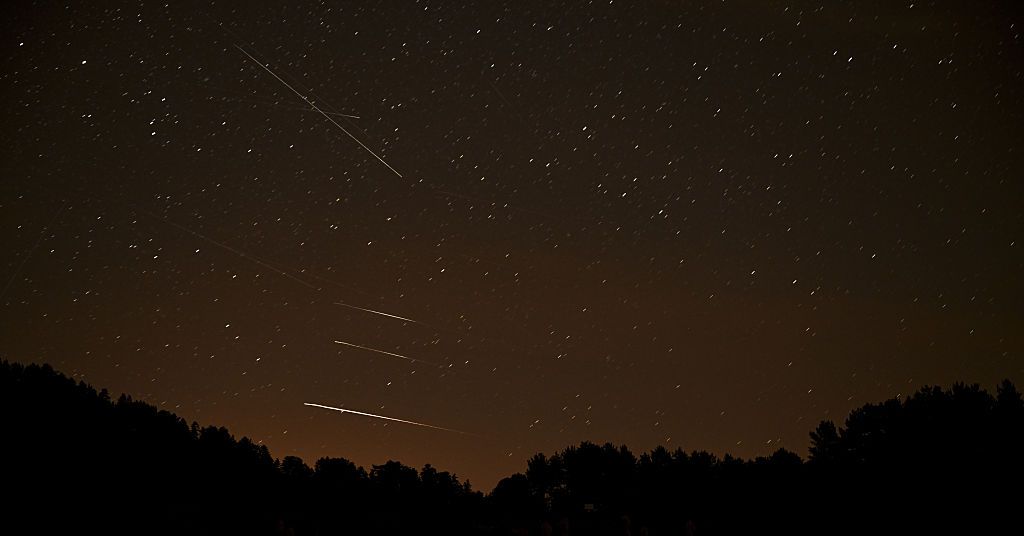
The Lyrid meteor shower, one of the oldest and most predictable meteor showers, arrives each year with a quiet grace. This celestial event, visible across the northern hemisphere, begins its annual peak on April 22nd, marking the start of the year's most anticipated meteoric displays. Unlike more spectacular showers like the Perseids or the Orionids, the Lyrids offer a gentle, steady flow of meteors that provide an accessible introduction to the night sky for both seasoned stargazers and first-time observers.
Can the Lyrids Predict Tomorrow's Sky? What You Need to Know Now
As the Lyrids reach their peak, they typically produce around 10 meteors per hour under perfect viewing conditions. This is a key detail that distinguishes them from more intense showers. The meteors are generally slow-moving and bright, often leaving persistent trails that can be tracked for up to 10 seconds after they pass through the atmosphere. This characteristic makes the Lyrids a unique opportunity for observers to study the physics of meteor entry without needing advanced equipment.
The best time to view the Lyrids is during the early morning hours after the peak. The shower is visible from late April through early May, with the peak occurring in the early morning hours of April 22nd. To maximize your chances of seeing the meteors, it's recommended to find a location away from city lights, with a clear, dark sky. A simple telescope or even just the naked eye can capture the beauty of these fleeting cosmic visitors.
Why the Lyrids Are a Beginner’s Friend
- They're low in intensity, making them accessible to beginners
- They peak at a time convenient for early risers
- They're visible from most parts of the northern hemisphere
The Lyrids are not only a great starting point for meteor observation but also a reminder of the intricate dance of comets and their remnants as they travel through the solar system. The meteors are fragments of the comet Lyrid, which has been observed since ancient times, with records dating back to 1860. These fragments, known as 'meteoroids,' travel at high speeds and burn up in the upper atmosphere, creating the meteors we see.
One of the most fascinating aspects of the Lyrids is their connection to the historical timeline of astronomy. The Lyrids were first identified by the ancient Greeks, who used them to track the movement of stars and planets. Today, they serve as a bridge between historical stargazing and modern astrophysics, offering a tangible link to the past.
For those interested in the science behind the Lyrids, it's worth noting that the meteors are produced by debris from a comet that has been breaking apart over time. This process is called 'fragmentation' and is a key part of the life cycle of comets. As the comet travels through the solar system, it sheds material that forms the meteor shower we see each year.
While the Lyrids may not be as dramatic as other meteor showers, they are a perfect introduction to the beauty of the night sky. With a bit of planning and a clear view of the sky, anyone can experience this gentle spectacle. Whether you're a seasoned astronomer or a curious beginner, the Lyrids offer a chance to witness the universe in a personal, intimate way.