Iran and U.S. Negotiations: A Turning Point in Regional Stability?

Editor 16 Apr, 2026 ... min lectura

As geopolitical tensions in the Middle East continue to escalate, the U.S. and Iran are reportedly advancing toward a second round of diplomatic talks, signaling a potential shift in their adversarial relationship. This development follows weeks of heightened rhetoric and military posturing, particularly around the strategic Strait of Hormuz—a critical maritime chokepoint through which nearly 20% of the world’s oil passes. The recent discussions, highlighted by a U.S. Senate resolution that initially aimed to block President Trump’s potential authorization for additional strikes against Iran, underscore the delicate balance between military action and diplomatic engagement.

Can Diplomatic Talks Prevent Escalation?

Early this week, U.S. officials confirmed that both nations are working toward a renewed dialogue, a move that has drawn cautious optimism from analysts. The context is critical: Iran has been targeting U.S. military assets in the Gulf, while the U.S. has conducted drone strikes in Iranian territory. The Strait of Hormuz remains a focal point due to its role in global energy security. Analysts suggest that any successful negotiations would require addressing these specific threats, not just broad political disagreements.

  • Strait of Hormuz** as a key corridor for global oil trade
  • **U.S. Senate resolution** aimed at restricting military action against Iran
  • **Iranian drone attacks** on U.S. naval vessels in the Gulf of Oman

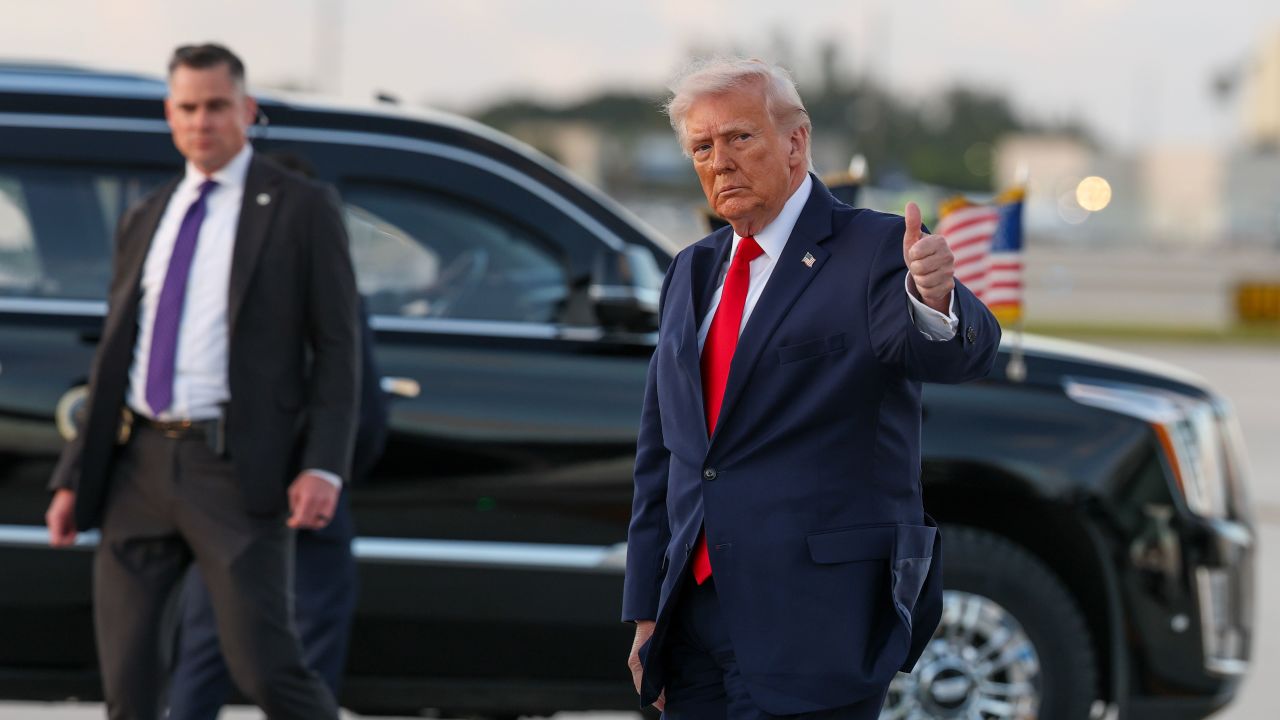
The timing of these talks, following Trump’s recent statement to Fox Business that the war with Iran is 'almost over,' raises questions about the urgency of the diplomatic process. This claim, while potentially optimistic, must be viewed through the lens of current military tensions. The U.S. has maintained a policy of 'limited war' in response to Iranian actions, but the threat of escalation remains real. With the Strait of Hormuz under renewed scrutiny, the stakes for any negotiation are high.

Historically, Iran and the U.S. have had a complex relationship, marked by the 2015 Joint Comprehensive Plan of Action (JCPOA), which temporarily eased nuclear restrictions. However, the U.S. withdrew from this agreement in 2018, leading to a series of retaliatory actions by Iran, including cyberattacks and missile launches. The current phase of negotiations seeks to address these past grievances while managing present-day threats.

Experts caution that the success of these talks hinges on the ability of both sides to prioritize de-escalation over retaliation. With the Strait of Hormuz at risk of disruption, a breakdown in communication could trigger a catastrophic chain reaction, affecting global energy markets and regional security.