Iran Executes Four Protesters in January 2026 Crackdown: What It Means for Human Rights and Future Repercussions

Editor 16 Apr, 2026 ... min lectura

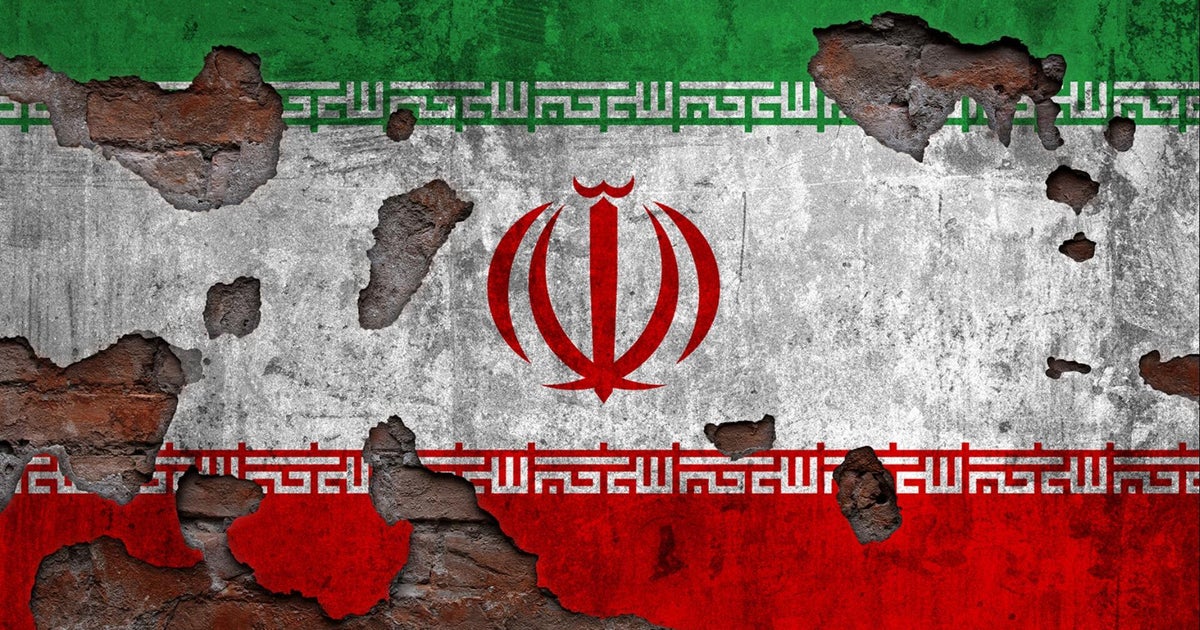
Iran has carried out a significant escalation in its response to the January 2026 protests, sentencing and executing four individuals who participated in the demonstrations. These actions have drawn widespread international condemnation and raised critical questions about the government's commitment to the rule of law and human rights. The executions mark a stark contrast to the initial promises of restraint following the initial wave of protests.

According to Human Rights Watch and other independent monitoring groups, the four individuals were sentenced by Tehran Revolutionary Courts for their roles in the January 2026 protests. The sentences included death penalties, with property confiscation being a common practice in such cases. This is not an isolated incident but part of a broader pattern of repression against dissenting voices in Iran.

Why are these executions happening now?

The timing of these executions is particularly concerning, as they occur shortly after the initial wave of protests in January 2026. Human Rights Watch has noted that the government has been using the death penalty as a tool to suppress dissent, with many cases involving fabricated charges and coerced confessions. In this case, the four individuals were reportedly given minimal due process before being sentenced to death.

Historically, Iran has used the death penalty for a variety of political and social reasons, often targeting individuals who challenge the state’s authority. The January 2026 protests were one of the most significant challenges to the current regime, and the government's response has been characterized by harsh measures, including mass arrests, property confiscation, and, in some cases, executions.

How does this compare to past crackdowns?

Previous crackdowns, such as those following the 2009 Green Movement, saw similar patterns of repression. However, the scale and intensity of the January 2026 protests have been unprecedented, with reports of widespread violence and mass displacement. This has led to increased international scrutiny and pressure on the Iranian government to address the human rights situation.

  • Human Rights Watch has documented numerous cases where individuals were sentenced to death for participation in peaceful protests.
  • Iranian authorities have been accused of using fabricated evidence to justify these sentences.
  • International organizations have called for transparency and due process in the judicial system.

The recent actions by the Iranian government highlight the ongoing challenges in maintaining a balance between security and civil liberties. The international community must continue to monitor these developments and push for accountability and transparency in Iran’s legal system.