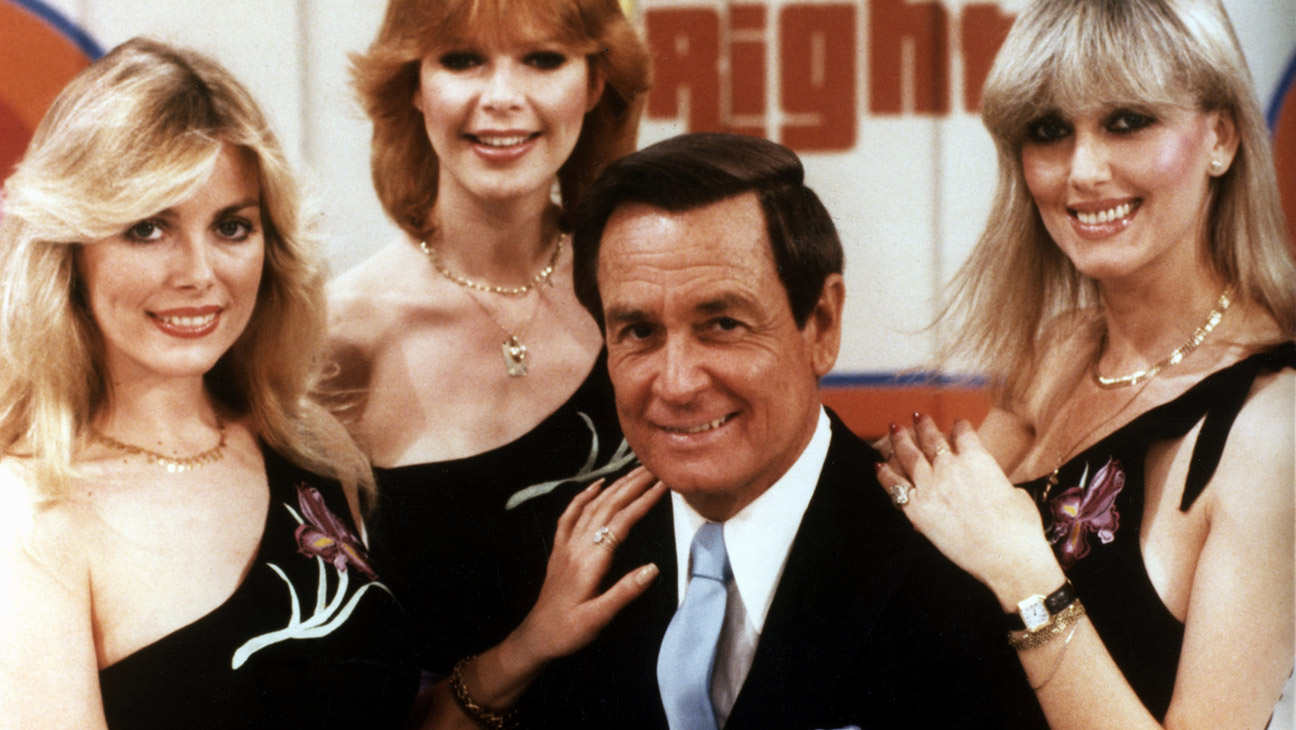
For over half a century, Bob Barker has been synonymous with the iconic game show The Price Is Right, a cultural touchstone that defined television entertainment for generations. His distinctive voice, charismatic presence, and commitment to the show's format created a legacy that transcended ratings and awards. Yet, in recent months, a wave of allegations has surfaced questioning whether Barker's storied career was as untarnished as it seemed.
What's Behind the Allegations?
According to multiple sources, Black models have come forward with claims that the show fostered a toxic and racist work environment during its long run. These accounts, shared through social media and interviews, suggest that Barker's influence extended beyond the stage and into the behind-the-scenes dynamics of the production.
The allegations, which have been amplified by a viral clip recently shared online, point to systemic issues within the show's history. While Barker himself has long been celebrated for his efforts to promote diversity and social causes, these new claims have reignited debates about the show's past and its impact on the broader entertainment industry.
Who Are the Accusers?
The claims originate from former Black models who worked on the show during the 1980s and 1990s. These individuals, including Janice Pennington, Holly Hallstrom, and Dian Parkinson, describe a workplace culture that they say was deeply problematic. They allege that they were subjected to racial discrimination, exclusion, and even threats of retaliation for speaking out against the show's practices.
- Janice Pennington: A former model who worked on the show in the 1980s, Pennington claims she was repeatedly told she couldn't work on the show due to her race.
- Holly Hallstrom: Another former model, Hallstrom describes being subjected to verbal abuse and exclusionary practices that affected her ability to perform.
- Dian Parkinson: Parkinson's account highlights a pattern of behavior that led to her being sidelined from key roles and opportunities.
These testimonies, while still being investigated, have sparked a broader conversation about the intersection of race, power dynamics, and the entertainment industry's historical practices.
Meanwhile, ‘Price is Right’ producer Roger Dobkowitz has publicly criticized the accusers, arguing that their claims are baseless and part of a broader pattern of misinformation targeting Barker. He calls the allegations 'unfounded' and claims they are 'affecting the show's legacy' in a negative way.
The situation has drawn attention from both sides of the aisle, with some supporters of Barker defending his contributions to diversity and social causes, while others question whether the show's history has been adequately documented or addressed.
The controversy highlights the complex legacy of a man who has been instrumental in shaping modern television for decades. As the allegations continue to unfold, the question remains: Can a show that once symbolized positivity and inclusion now be seen through a more critical lens?