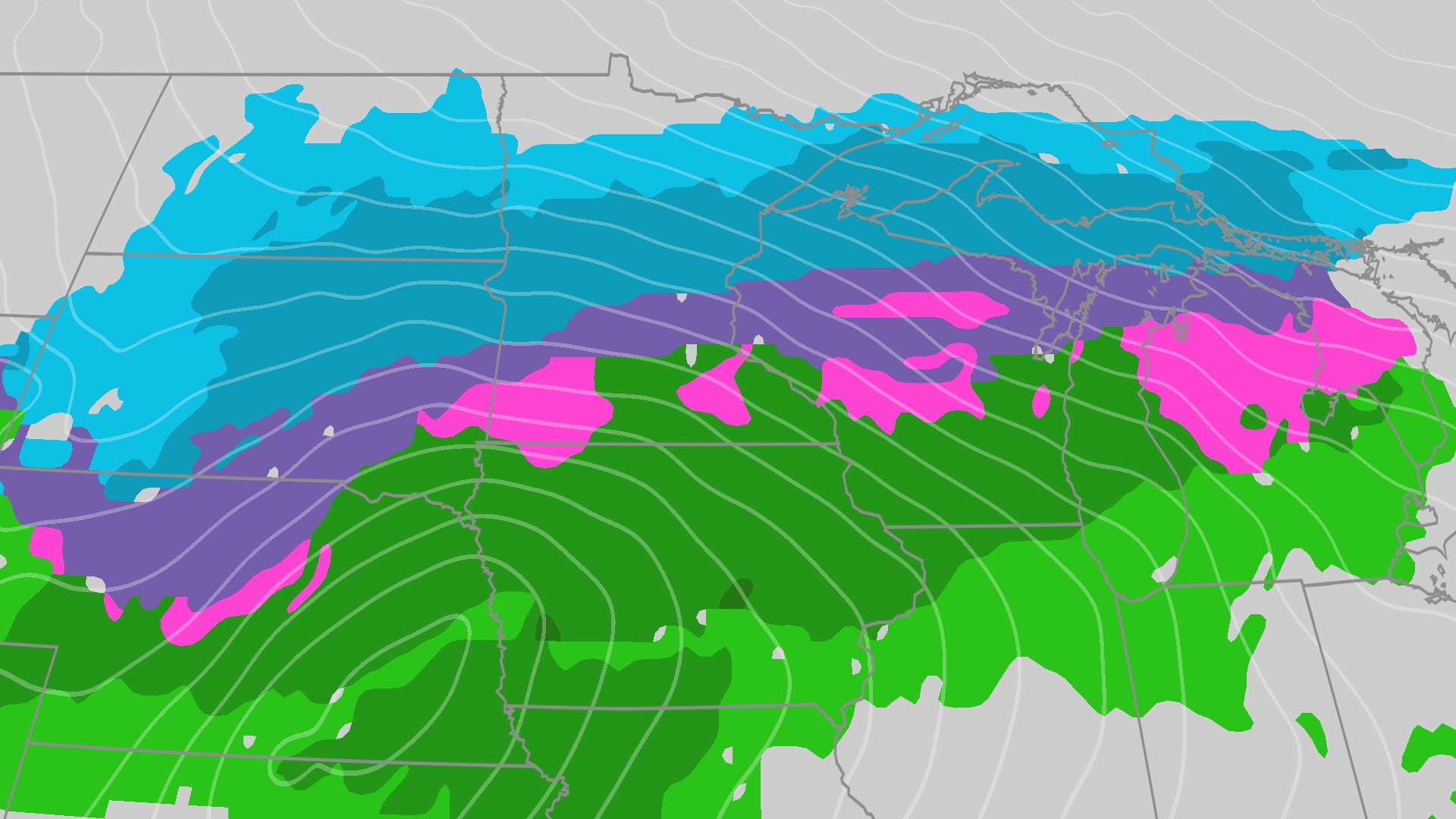
As spring arrives with promises of warmer days and longer nights, a surprising phenomenon is disrupting the seasonal rhythm: winter storms are not just a winter memory but an active, evolving threat. The National Weather Service has recently issued winter storm warnings across the Northeast and Midwest, signaling a dramatic shift in the traditional seasonal cycle. This isn't a fleeting anomaly but a complex interplay of atmospheric conditions that demand attention.
Why Is Spring Still Bringing Winter Storms?
Contrary to what many assume, winter storms can persist well into spring, often due to the lingering effects of cold air masses from Canada and the northern United States. These systems, sometimes called 'spring snows,' can produce significant amounts of precipitation, including heavy snow and ice, when they collide with warmer, moisture-laden air from the Gulf of Mexico or the Atlantic Ocean. The recent winter storm warnings across Michigan, New York, and New England are particularly concerning because they reflect a pattern that has been increasing in frequency and intensity over the past decade.
For instance, the National Weather Service's recent advisories for 6–10 inches of snow and 40 mph winds highlight a critical threshold that has been observed in multiple states. These conditions can lead to dangerous travel conditions, including reduced visibility, hazardous road conditions, and power outages. This isn't an isolated incident but part of a larger trend where the meteorological definition of 'winter' is expanding beyond the typical December–February period.
What Makes These Storms So Dangerous?
- Ice storms are particularly dangerous because they can create a layer of ice on surfaces, leading to dangerous travel conditions and structural damage to infrastructure.
- Heavy snowfall (6–10 inches) can lead to significant disruptions, including power outages and stranded vehicles.
- Strong winds (40 mph) can exacerbate the effects of snow and ice, causing more severe damage and increasing the risk of accidents.
These conditions are not just a matter of inconvenience—they can lead to life-threatening situations. For example, in 2021, a similar storm in the Midwest caused over 300,000 power outages across multiple states. The recent warnings are a reminder that even as the calendar moves toward spring, winter's influence can still be felt.
Moreover, the National Weather Service's use of 'winter storm warnings' instead of 'winter storm alerts' indicates a heightened level of risk. This terminology is critical because it signals that the threat is imminent and requires immediate action from residents and travelers.
What's more striking is that these storms are not just affecting the Northeast but are now impacting the Plains and Great Lakes regions as well. The convergence of cold air from the north and warm, moist air from the south creates a perfect storm for these conditions.
Understanding this phenomenon is crucial for preparedness. Residents should monitor local weather updates and be prepared for sudden changes in weather conditions, even as spring begins to take hold.