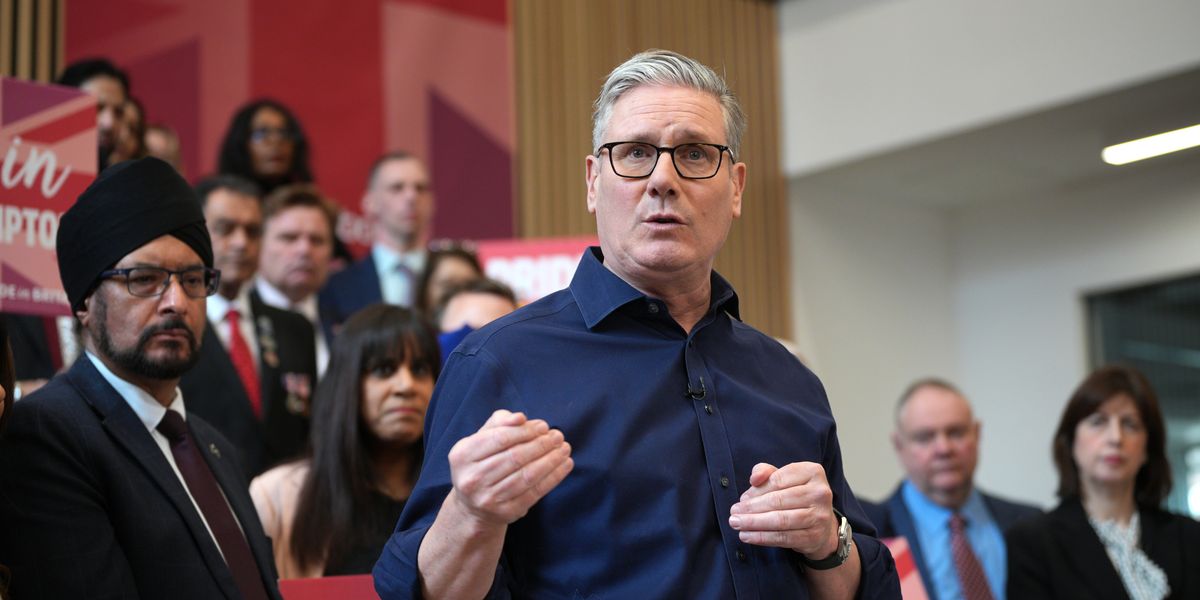
Prime Minister Keir Starmer faces mounting pressure as the UK grapples with a dual crisis: soaring energy costs driven by the Middle East conflict and a deteriorating cost of living. With diesel prices nearing £100 per gallon, the government is scrambling to address immediate economic fallout while balancing geopolitical tensions.
Starmer's upcoming press conference marks a critical moment for transparency. The Prime Minister has explicitly acknowledged that the government 'cannot handle the fallout of the Iran conflict on its own,' signaling a need for coordinated international and domestic action. This admission comes as energy bills—particularly for diesel—surge due to disrupted global supply chains and heightened demand from military operations in the region.
Can the UK absorb the shock of energy price spikes?
The cost of living crisis in the UK has been exacerbated by the Middle East conflict. As Iranian oil exports decline and regional instability disrupts transit routes, UK households are bearing the brunt of volatile fuel markets. Starmer’s team is under scrutiny for its ability to stabilize prices without resorting to austerity measures that would further strain families.
Historically, the UK has relied on strategic reserves and diplomatic channels to mitigate energy shocks, but the current scale of disruption is unprecedented. The government’s reliance on imported diesel—a key component of transportation and industrial supply chains—has left it vulnerable to sudden price surges.
- UK diesel prices have reached £100 per gallon, a sharp increase from pre-conflict levels
- Energy bills now account for over 15% of average household spending
- Starmer’s team is prioritizing direct communication with citizens to address concerns
While Starmer has vowed to 'protect British people at home and abroad,' critics argue that short-term fixes won’t address systemic issues like infrastructure investment and long-term energy security.
As the Prime Minister prepares to address the nation, the focus shifts to balancing immediate relief with long-term policy shifts. The government’s response will determine whether the UK can maintain economic stability amid a rapidly evolving global energy landscape.