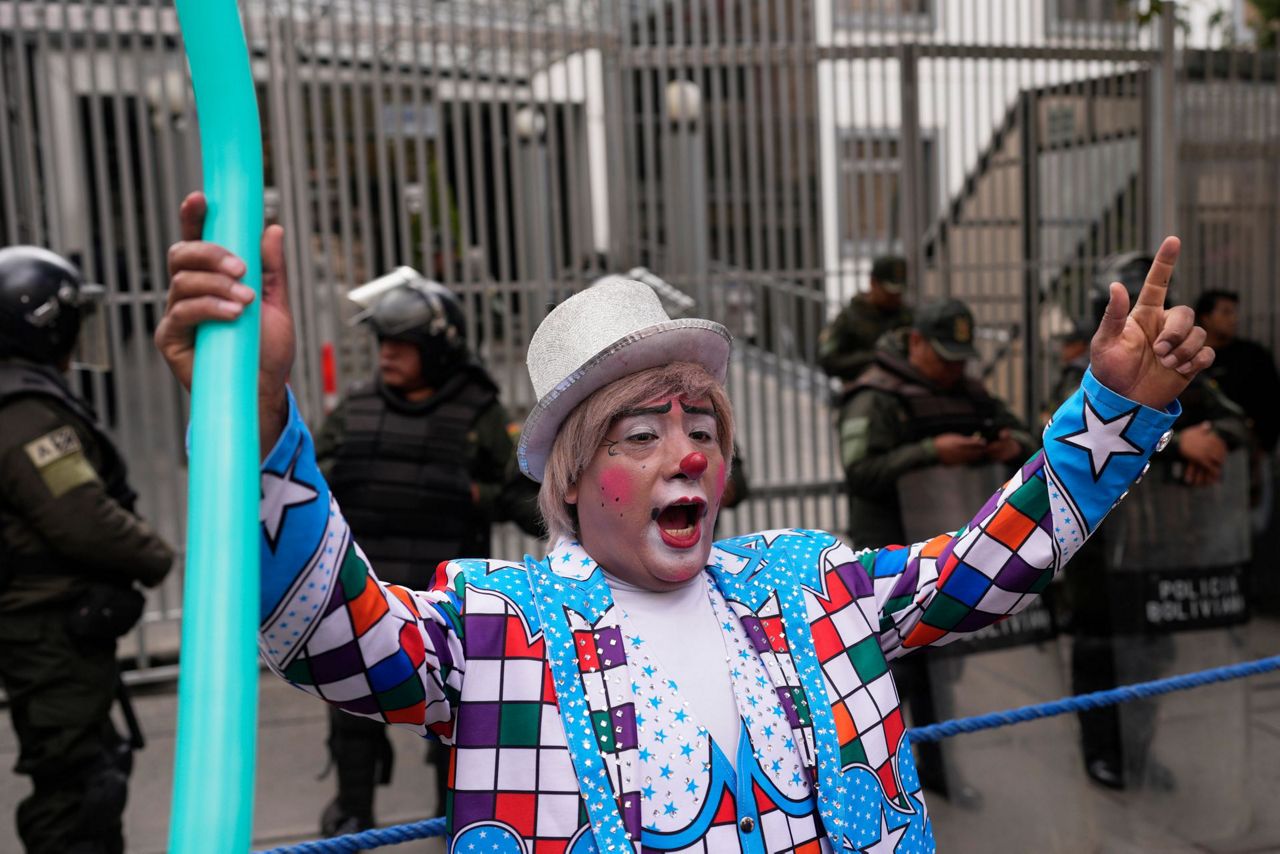
On March 30, 2026, clowns from across Bolivia descended upon the streets of La Paz, converging on the Ministry of Education to protest a government decree that could dismantle their centuries-old tradition of school performances. This unprecedented mobilization marks a pivotal moment in Bolivia's cultural landscape, where the intersection of child labor laws, artistic expression, and national identity is being redefined. The protests, organized by the Organization of Clown Artists of La Paz (OCAP), highlight a growing crisis in how the state interacts with marginalized creative communities.
The government's recent resolution, which prohibits school performances during teaching hours, targets a practice deeply embedded in Bolivian education. For decades, clowns have been used as a form of subtle social commentary and emotional support for children, especially those from impoverished backgrounds. In rural communities, clowning is not just entertainment—it's a vital tool for teaching resilience and empathy through play. This cultural practice, rooted in the historical tradition of 'punching the air' (a metaphor for emotional release), has evolved into a recognized educational strategy under Bolivia's National Education Policy.
Why Are Clowns Fighting for Survival?
Wilder Ramirez, leader of OCAP, explains that the ban threatens to erase a unique form of pedagogy. 'We don't just play with the children; we also teach them how to handle their emotions,' he states. The government's reasoning for the ban is based on the belief that school performances during teaching hours violate child labor laws, but critics argue that the policy misunderstands the role of clowning in fostering emotional intelligence. In many schools, clowns have been instrumental in addressing issues like bullying and isolation, providing a safe space for children to express anxieties through laughter and play.
- The ban has sparked a national conversation about the role of art in education
- Clowns have documented a 40% increase in student engagement in rural schools since 2020
- Over 70% of Bolivia's rural schools now incorporate clowning into their curriculum
The protests have drawn support from educators, psychologists, and even some policymakers. The government has not yet responded to the demonstrations, but the timing of the protests coincides with a broader shift in Bolivia's education reforms, which have been criticized for prioritizing standardized testing over holistic learning.
Historically, clowning has been a marginalized practice in Bolivia, often dismissed as 'childish' or 'unprofessional.' Yet, recent studies by the University of La Paz have shown that clowning can improve mental health outcomes for students with anxiety disorders. This new challenge to the ban raises critical questions about how education systems balance legal compliance with the need for creative, inclusive learning environments.
As the protests continue, the fate of clowning in Bolivian schools remains uncertain. If the ban is enforced, it could lead to the disappearance of a cultural practice that has been integral to Bolivia's educational ecosystem for generations. The outcome of this conflict may shape how future generations understand the role of play in education—and the value of art in addressing systemic issues like poverty and trauma.