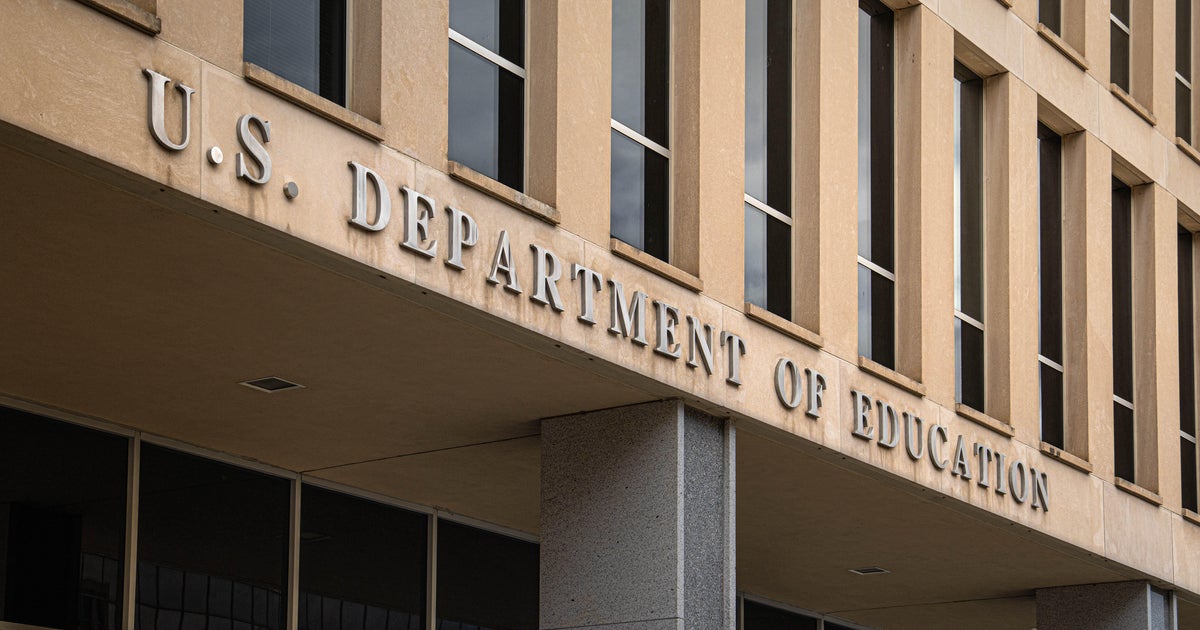
As the U.S. student loan landscape undergoes rapid transformation, over 7.5 million borrowers are navigating a pivotal transition in their repayment obligations. This shift is not merely administrative—it represents a fundamental reconfiguration of federal student loan policy with immediate financial and systemic implications. The recent announcement by the Department of Education has placed a critical deadline on borrowers who were previously under the Biden-era SAVE repayment plan.
What Happens When Your Repayment Plan Expires?
The Education Department has issued formal notices to approximately 7.5 million borrowers enrolled in the 'illegal' SAVE plan, instructing them to transition to a new repayment strategy by October 1st. This deadline is critical because, under current federal guidelines, borrowers in this category are now required to restart their payments immediately. Unlike previous frameworks, this change does not allow for automatic continuation of the existing plan.
For many borrowers, this transition is not just a technicality—it's a direct impact on their financial stability. The SAVE plan, designed to offer lower payments and flexibility for those with high debt levels, is now being phased out for a significant portion of the population. This creates a situation where those who were previously protected under this plan must actively seek alternatives to avoid financial strain.
Why Is This Transition Happening?
The shift is rooted in the administration's effort to align repayment structures with the evolving economic and policy landscape. The SAVE plan, introduced by the Biden administration, was intended to provide relief to borrowers with high debt loads and limited income. However, as the Department of Education clarifies, this plan has been classified as 'non-compliant' with certain federal regulations, leading to the need for immediate action.
Under the current system, borrowers who were enrolled in the SAVE plan before a specific threshold date now fall under a new category that requires them to restart their payments. This is particularly impactful for those who have been using the plan for an extended period, as they may not have anticipated this change.
- Borrowers must verify their eligibility for the new repayment plan
- Those who fail to act by the deadline may face penalties or increased payment obligations
- Financial institutions are being asked to update their systems to reflect these changes
Understanding this transition is essential for borrowers to avoid unexpected financial disruptions. The Department of Education has emphasized that this is a temporary measure to ensure compliance with federal standards.
What Borrowers Should Do Now
Immediate action is required from affected borrowers. Those who miss the October deadline will not be able to continue under the existing plan, which could result in higher payments or even default. Borrowers should visit the Department of Education’s website to check their status and explore alternative repayment options.
It’s important to note that this transition is not universal. While 7.5 million borrowers are affected, many others remain under the standard repayment plan with no immediate changes. The key distinction lies in whether a borrower was enrolled in the SAVE plan prior to the threshold date.
Financial advisors recommend that borrowers who have been using the SAVE plan should contact their loan servicer directly to understand their specific situation and options. The Department of Education has also provided a dedicated hotline for those needing assistance.
As this transition unfolds, it highlights the complex interplay between federal policy, individual financial circumstances, and the need for clear communication in a rapidly evolving system.