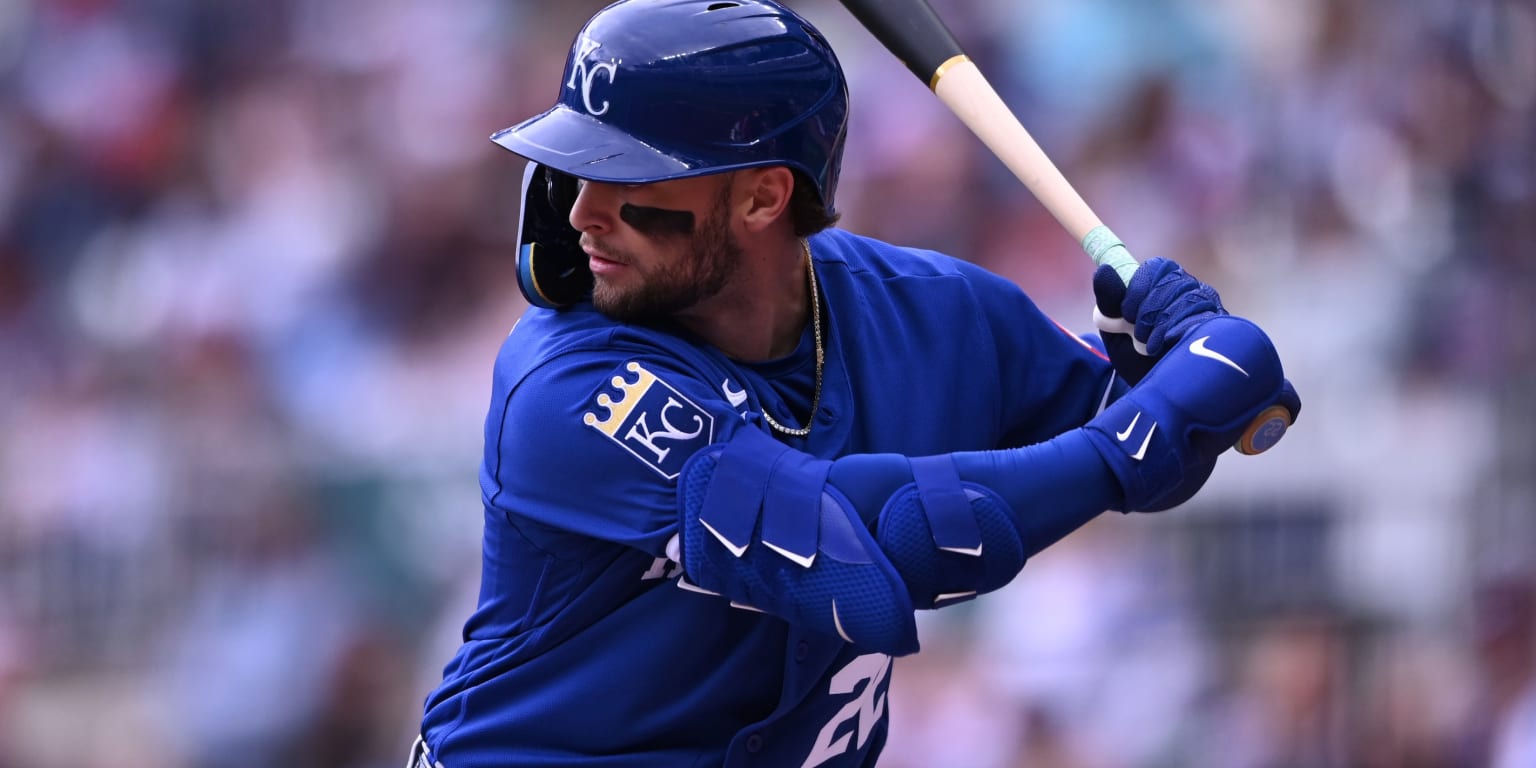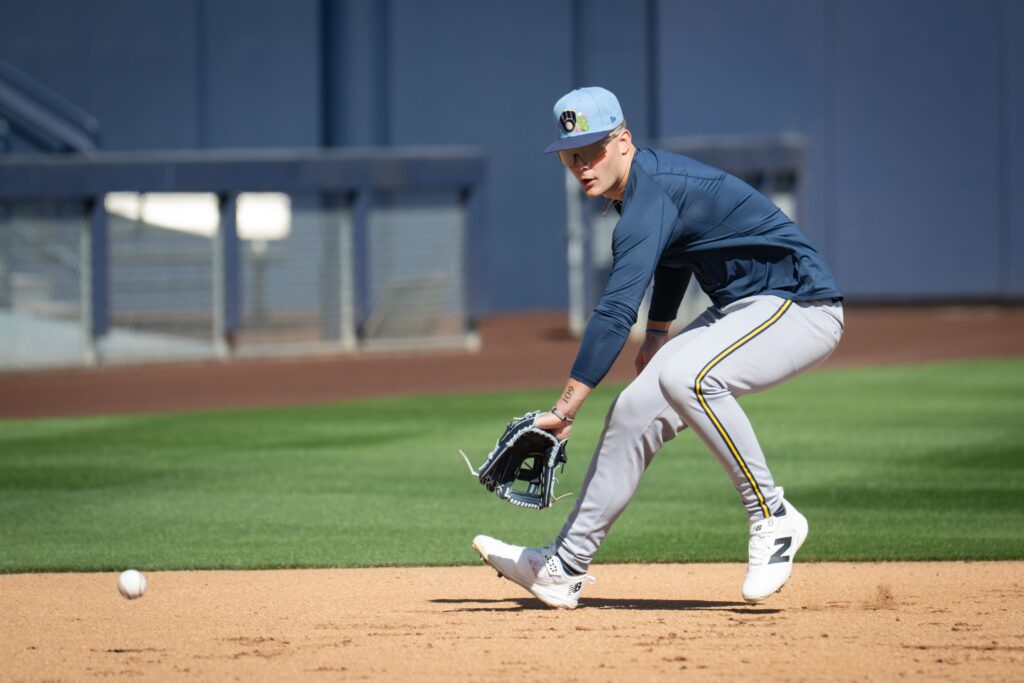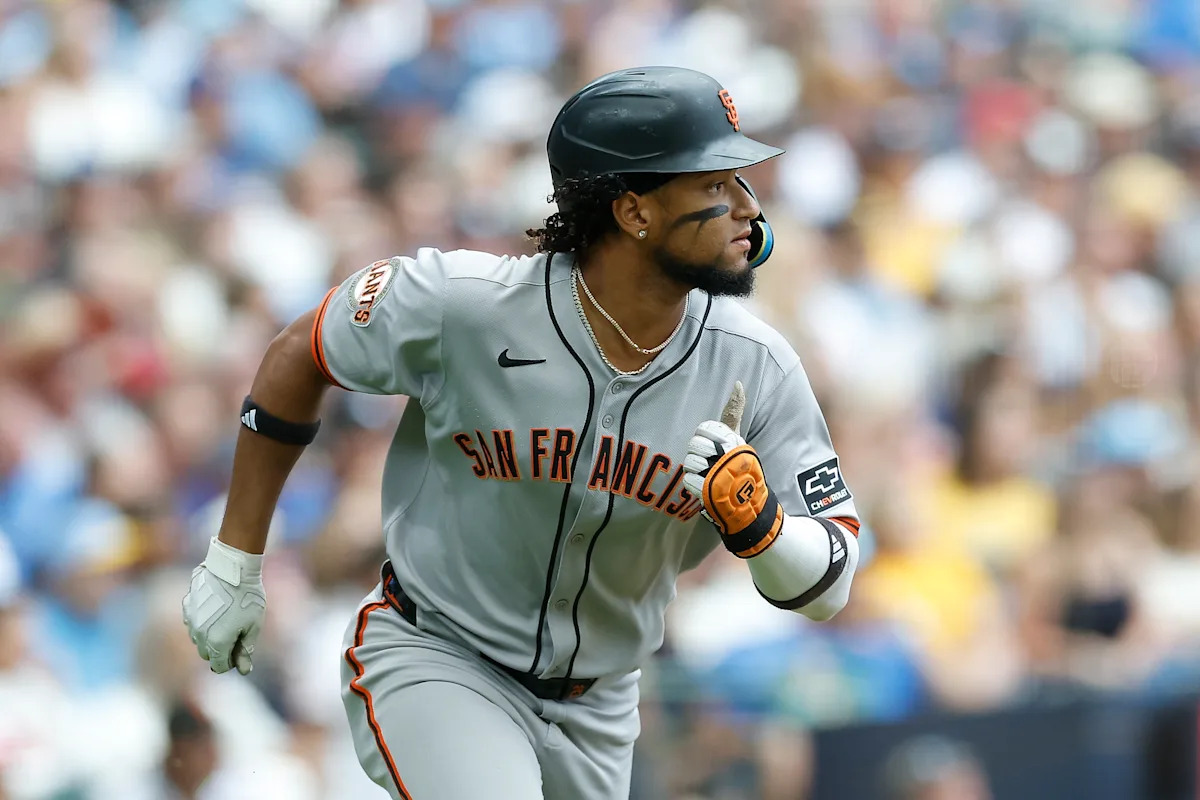
As the MLB offseason reshapes roster dynamics, a pivotal trade involving Luis Matos and Tyler Fitzgerald reveals nuanced strategic shifts within the San Francisco Giants' organization. The recent acquisition of outfielder Luis Matos by the Milwaukee Brewers stands as a significant development that underscores the evolving landscape of player movement and organizational priorities.
First, let's clarify the timeline. On August 24, 2025, the Brewers secured a critical addition with Luis Matos, a dynamic outfielder whose value was previously underappreciated by the Giants. This move highlights the strategic calculus behind trade negotiations, where players like Matos often serve as 'mid-tier' assets that can be leveraged for higher-value acquisitions.
Why Luis Matos? The Unseen Asset
Matos, a versatile defender and reliable offensive contributor, has been overlooked in the Giants' rotation of key players. His value is not just in his on-field performance, but in his ability to fill gaps during critical moments—such as late-game situational hitting or defensive shifts.
- Luis Matos' 2024 season included a .238 batting average with 15 home runs and 50 RBIs, showcasing his adaptability in the lineup
- He has a .980 fielding percentage, demonstrating his defensive reliability
- Matos' value as a 'utility player' has become increasingly relevant as teams prioritize depth over star power
Contrast this with the Giants' recent decisions on Tyler Fitzgerald. On March 30, 2026, the Giants designated Fitzgerald for assignment (DFA), a move that reflects their strategic focus on optimizing roster space and minimizing high-risk, high-reward assets.
The DFA of Fitzgerald, a player who once provided steady production two to three years ago, illustrates the volatility of modern baseball. While Fitzgerald once had a .260 batting average with 12 home runs and 45 RBIs, his recent performance has been inconsistent. This decision underscores the delicate balance teams must strike between retaining experienced players and adapting to changing team dynamics.
These moves reveal a critical insight: the Giants' management has been prioritizing reliability over star potential. By designating Fitzgerald—despite his past contributions—they are signaling a shift toward more pragmatic, data-driven roster construction.
For teams like the Giants, who have struggled with inconsistent depth, the acquisition of players like Matos represents a proactive step toward building a more resilient squad. The strategic value of such moves is not just in the immediate impact, but in their long-term implications for team stability and competitive balance.