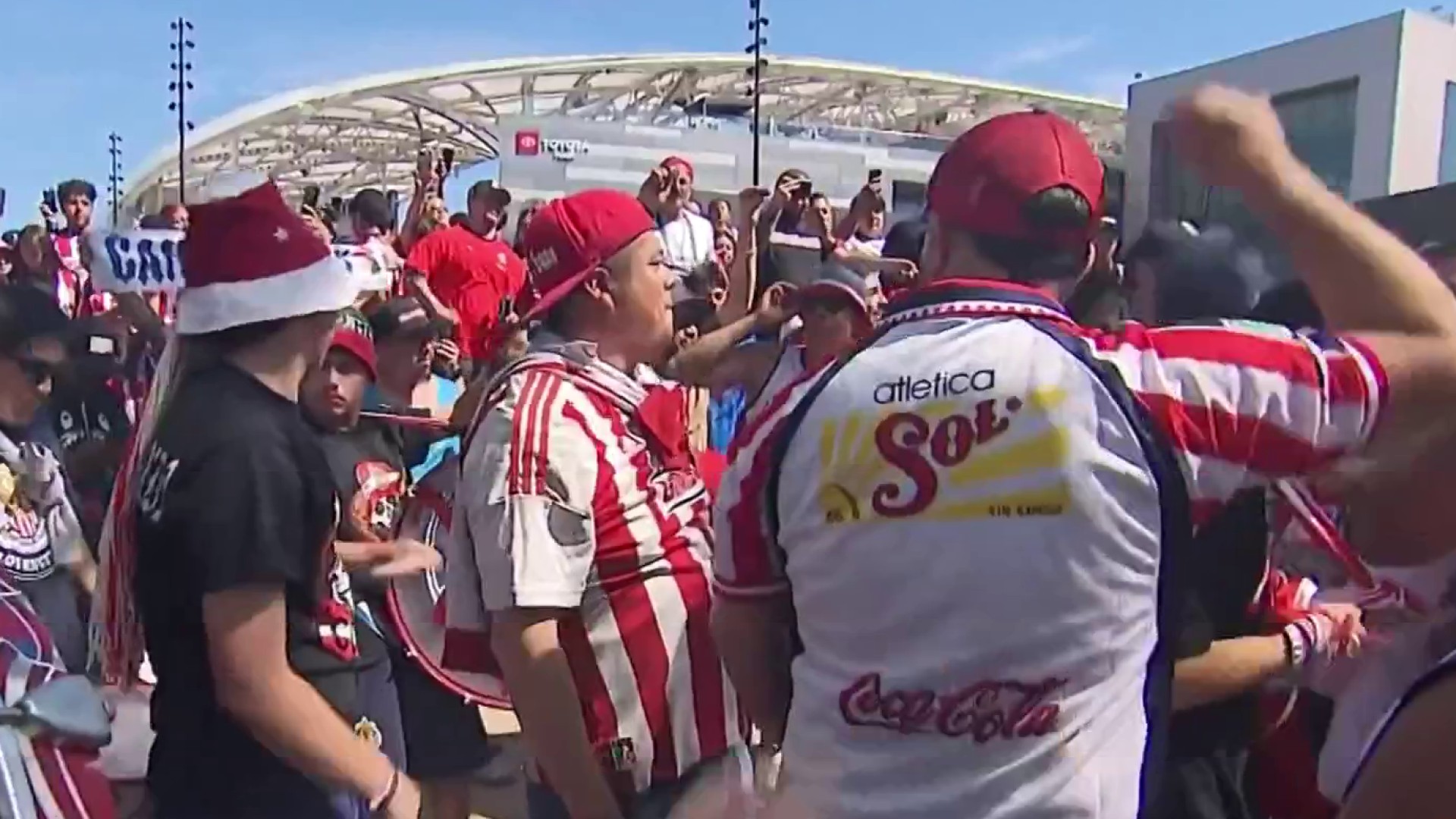
As the Clásico Tapatío returns to Los Angeles, the rivalry between Guadalajara and Atlas has become one of Mexico's most storied football narratives. This weekend's showdown at the BMO Stadium, a packed arena where young Chivas players delivered a commanding victory, marks a pivotal moment in the franchise's evolving story. The game, broadcast live across multiple platforms, underscores the growing cultural resonance of this historic matchup.
Why does the Clásico Tapatío matter beyond the pitch?
The term 'Clásico Tapatío' refers to the intense rivalry between Club Atlas and Club Guadalajara, two clubs from the city of Guadalajara, Mexico. This rivalry dates back to the 1960s when both teams were part of the same league structure. Today, it has evolved into a symbol of regional identity and national pride, with fans across the country connecting through this iconic fixture.
At the heart of this rivalry lies a unique narrative: the geographic and cultural distance between the teams. While Atlas is based in Guadalajara, Chivas is from the city of Guadalajara, but the rivalry is named after the region, not the city. This subtle but critical distinction has led to some confusion in the media, particularly in the United States where the term 'Guadalajara' is often used interchangeably with the city of Guadalajara.
The significance of this rivalry extends far beyond the match itself. It represents a broader theme of Mexican football history, where regional identities and local pride have shaped the sport's development. The Clásico Tapatío is not just a match; it's a cultural event that brings together communities from across Mexico, highlighting the country's rich football tradition.
What makes this rivalry unique?
- The Clásico Tapatío has been played in Los Angeles for over a decade, with the BMO Stadium hosting multiple editions.
- The rivalry has grown from local competition to a national phenomenon, attracting fans from all over Mexico.
- Each year, the match is broadcast live across multiple platforms, including TV and digital platforms, ensuring a global audience.
One of the most striking aspects of this rivalry is its adaptability. Despite the geographical separation, the teams have maintained a consistent competitive relationship over decades. This has made the rivalry a model for how regional sports can thrive even in the face of modern challenges.
For the upcoming match, the BMO Stadium is set to host another chapter in this storied rivalry. With the promise of a packed stadium and a live broadcast across multiple platforms, this match promises to be a defining moment for both teams.
The Clásico Tapatío continues to evolve, reflecting the changing dynamics of Mexican football. As the rivalry grows in significance, it serves as a reminder of the deep-rooted cultural and historical connections that shape the sport.