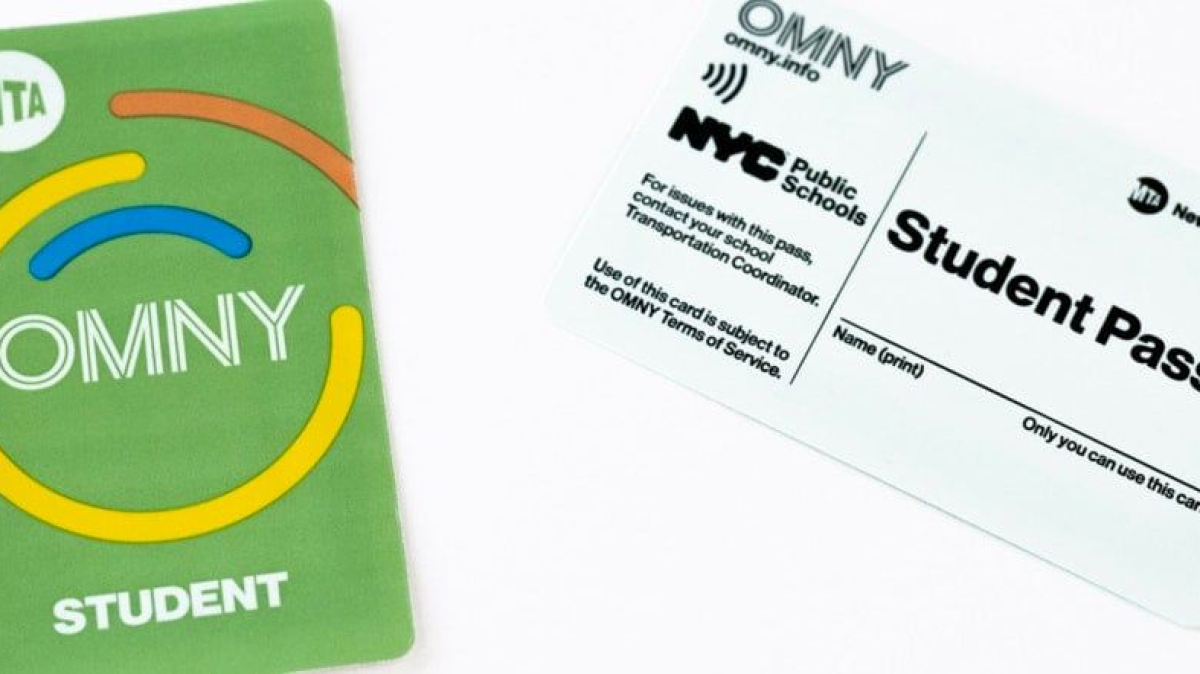
Why Student OMNY Cards Are Failing New York City's Kids: A Crisis in Transit Access

Editor 30 Mar, 2026 ... min lectura

As New York City's student transit system undergoes a critical shift from paper-based systems to digital, the OMNY (Open Mobile Network for New York) program has become a focal point of growing concern. The recent surge in student complaints about flimsy and unreliable OMNY cards has exposed a systemic gap in how the city addresses the needs of young learners. This isn't just about convenience—it's about equitable access to essential transportation.

Students across the five boroughs are reporting that the standard OMNY cards issued to them are too thin, prone to damage, and often fail to work when needed. A recent survey by the NYC Transit Authority found that nearly 60% of students using OMNY cards for school commutes experience delays or failed transactions. This isn't a new issue—it has been a known problem since the program’s launch in 2021, but it’s been overlooked by officials for years.

Why Do Students Demand Fixes?

Students aren't just complaining—they're demanding action. In a recent public forum held at a Brooklyn school, over 150 students described how their cards are often lost, damaged, or simply don't read properly at the bus stop. One 12-year-old from Queens said, 'I tried to use my card yesterday, but it just wouldn't work. I had to pay cash for the bus.' This isn't an isolated incident—it reflects a broader issue of systemic under-resourcing in the program.

  • Card durability: Standard OMNY cards are made from thin, easily damaged plastic that doesn't withstand daily use.
  • Technical glitches: Many students report that their cards don't connect to the OMNY system, causing failed transactions at bus stops.
  • Accessibility: Students with disabilities or those from low-income families often face additional challenges due to the lack of flexible card options.

The issue isn't limited to a single school district—it's a city-wide problem affecting over 250,000 students who rely on OMNY for daily commutes to school, extracurricular activities, and transportation to medical appointments. Without timely fixes, this crisis could widen the gap between those who can afford reliable transit and those who cannot.

What's Next for OMNY?

City officials have acknowledged the problem, but progress has been slow. The MTA has stated that they are working on a new card design that will be more durable and secure by mid-2026. However, students and parents are calling for immediate action, not just a delayed solution. The key to resolving this isn't just a new design—it's a rethinking of how the system is built to serve the needs of all students.

As the demand for reliable transit grows, the OMNY program must evolve beyond its current limitations. Without addressing these issues, the system risks becoming a symbol of inequality in a city that prides itself on innovation and inclusivity.