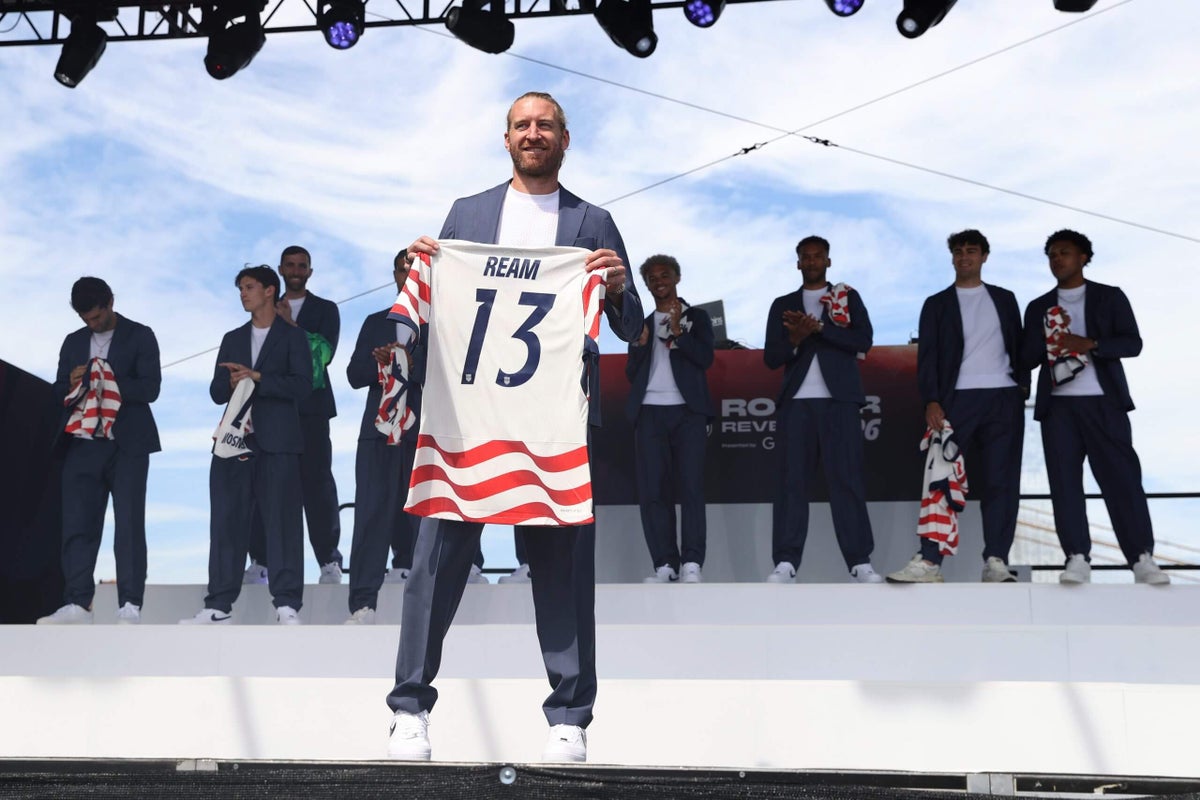
As the United States Men's National Team (USMNT) prepares for the 2026 FIFA World Cup, a quiet but pivotal decision has reshaped expectations: Tim Ream, the 37-year-old veteran midfielder, has been named captain of the squad. This choice, confirmed by manager Gareth Southgate, has sparked intense analysis and debate, particularly regarding its strategic implications and historical context within American soccer.
Unlike the typical high-profile captaincy, Ream’s selection reflects a nuanced understanding of the team’s needs. While Christian Pulisic, the star striker and former MLS MVP, has been the focal point of much discussion, Ream’s leadership is rooted in his deep tactical knowledge and ability to orchestrate play from the midfield. His role as the team’s defensive organizer has been critical in balancing the squad’s offensive firepower with defensive stability—a key factor in navigating the unpredictable dynamics of World Cup qualifying.
Why Tim Ream, Not Pulisic?
The decision to name Ream captain instead of Pulisic is not arbitrary. Pulisic, despite his global recognition and scoring prowess, has struggled with consistency in high-stakes matches, a challenge that the World Cup demands. Ream, on the other hand, has a proven track record of managing pressure and adapting to shifting tactical demands. His experience across multiple leagues, from MLS to international competitions, has prepared him for the unique pressures of the World Cup.
- Leadership under pressure: Ream has led the USMNT through critical moments, including the 2022 World Cup qualifiers, where his ability to dictate tempo and maintain composure under pressure was pivotal.
- Strategic versatility: His adaptability across different systems, from counter-attacking to possession-based play, aligns with the evolving demands of modern football.
- Team cohesion: Ream’s role as a glue player has strengthened the team’s chemistry, fostering trust and communication among players.
The choice also reflects a broader shift in how national teams approach captaincy. While Pulisic is celebrated for his individual talent, Ream’s leadership is more holistic, focusing on the collective success of the team rather than individual glory.
What This Means for the 2026 World Cup
With the World Cup approaching, Ream’s leadership could be a game-changer. His ability to manage the team’s tempo, ensure tactical discipline, and foster unity will be vital in a tournament where every moment counts. The USMNT’s success in 2026 will depend not only on individual talent but also on the cohesion and adaptability that Ream embodies.
As the world watches the USMNT prepare for the 2026 World Cup, Ream’s appointment as captain signals a shift toward more strategic, less flashy leadership styles. His role as the team’s unseen architect will be crucial in determining the USMNT’s ability to compete at the highest level.