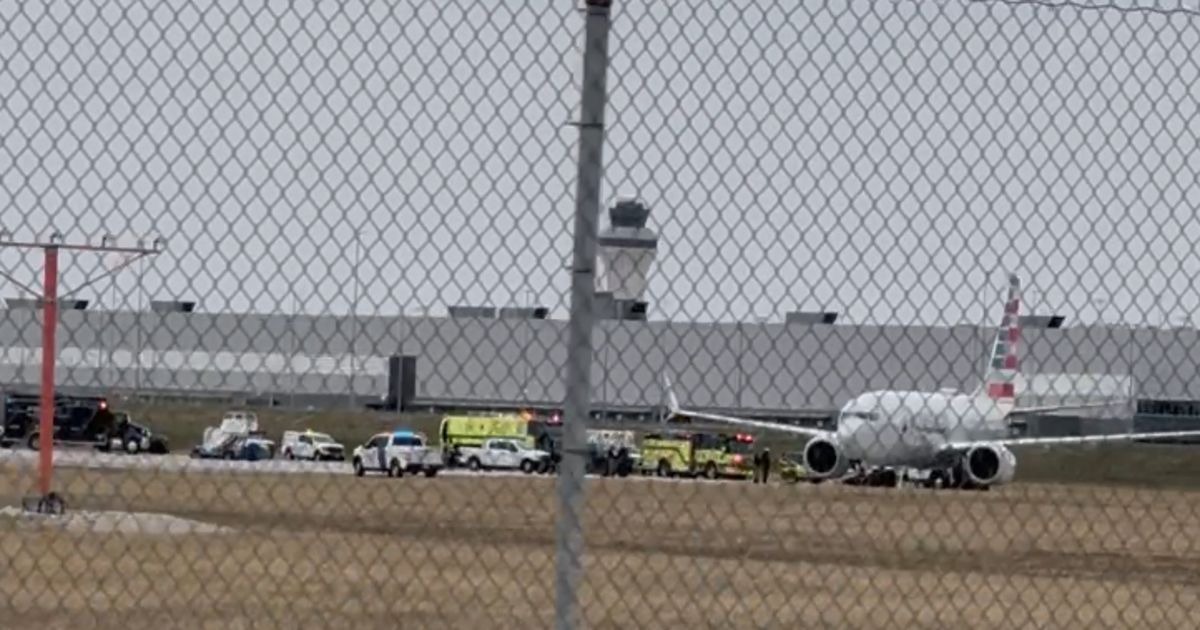
As the FBI investigates a recent disturbance aboard an American Airlines flight diverted to Detroit Metropolitan Airport (DTW), this incident reveals urgent safety and operational challenges in modern aviation. The event, reported on March 29, 2026, underscores growing tensions between passenger behavior and airport security protocols. Unlike typical flight disruptions, this case involved a disruptive passenger whose actions triggered an immediate aircraft diversion—a response that highlights systemic vulnerabilities in the aviation ecosystem.
The incident began when an American Airlines flight (2819) en route from New York JFK to Chicago O’Hare was diverted to Detroit Metro Airport after a passenger reported a disturbance. Local reports indicate the passenger’s actions prompted immediate action from flight crew and airport authorities. While the FBI has confirmed no current public safety threat, the situation has sparked critical questions about how airlines and airports handle passenger disruptions. The divergence between passenger conduct and security protocols remains a pressing issue in the aviation industry.
Why Does This Matter?
For decades, airlines have relied on standardized procedures for managing passenger disputes. However, this incident demonstrates how a single disruptive passenger can disrupt an entire flight corridor, with cascading effects on flight paths, resource allocation, and public trust. Airlines typically handle minor disruptions through in-flight interventions, but when a passenger’s actions escalate, the response can trigger significant operational shifts.
At Detroit Metro Airport, the response to this incident has become a case study in real-time crisis management. While the FBI’s involvement signals a serious response, the absence of a broader threat highlights the challenge of distinguishing between a minor disturbance and a potential security threat. This distinction is crucial for developing targeted interventions that balance passenger rights with safety protocols.
- Real-time monitoring systems are increasingly being deployed to detect and prevent disruptive behavior before it escalates
- Passenger education programs are being expanded to address the root causes of disturbances
- Collaborative protocols between airlines and airports aim to streamline communication during critical incidents
These measures are not new, but their implementation at scale has been slow. The Detroit Metro Airport case has become a benchmark for testing how well these systems integrate into existing operations.
As air travel continues to grow, the risk of disruptive behavior is not just a passenger issue—it’s a safety issue. Airlines must move beyond reactive measures and adopt proactive strategies that address the underlying causes of disturbances, such as anxiety, cultural misunderstandings, or miscommunication.
One critical gap identified in this incident is the lack of standardized protocols for handling passenger disturbances. While many airports have in-house teams for resolving disputes, the coordination between airlines and airports remains fragmented. The Detroit Metro case highlights the need for a unified response framework that can act within minutes of a disturbance being reported.
Looking ahead, the aviation industry must prioritize transparency in how disruptions are managed. Passengers deserve clear communication about what happens when a disturbance occurs, and airports need to ensure that their systems can respond without delay. The Detroit Metro incident serves as a timely reminder that even a single passenger’s actions can have far-reaching consequences for the entire aviation ecosystem.