As Tottenham Hotspur teeters on the brink of relegation, the abrupt termination of Igor Tudor's tenure has ignited a firestorm of speculation and strategic recalibration within English football. Tudor's departure, confirmed by the club amid a deepening crisis, underscores the precarious balance between short-term tactical demands and long-term structural resilience in modern Premier League management.
The club's current predicament—stuck in a perilous relegation mire—has forced a reevaluation of leadership continuity. With just two points from their last five matches, Tottenham's fate hinges on immediate action, and Tudor's exit has amplified pressure on the board to act swiftly. This move signals a shift from reactive crisis management to proactive leadership transition, a critical juncture where the club’s future is being shaped by its ability to navigate volatile financial and sporting conditions.
What Happens Next: A Reckoning with Unconventional Talent
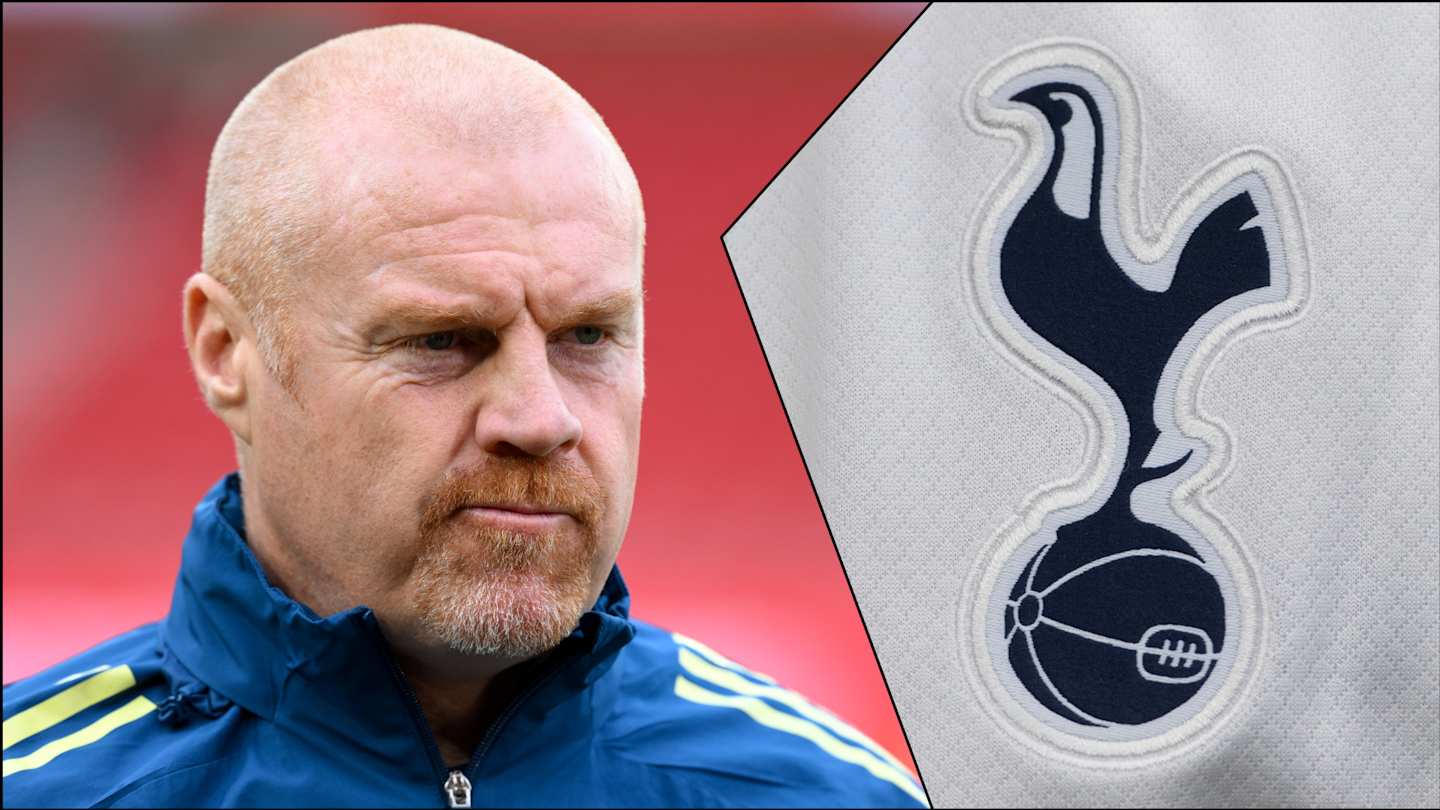
Amid the chaos, Sean Dyche has emerged as a potential savior, his name trending across platforms as a possible replacement. Dyche’s response to rumors about the role has been refreshingly direct: he dismissed the reports as 'brilliant' examples of 'unfounded speculation,' yet his comments hint at a willingness to step in if the situation demands it. This reaction, while seemingly dismissive, reveals a strategic mindset that prioritizes clarity over hype—a hallmark of effective leadership in crisis.
- Immediate impact: A potential SOS call to Dyche could stabilize the team's morale and tactics in the short term
- Strategic implications: Dyche’s experience with Nottingham Forest, where he was recently sacked in February 2026, adds a layer of complexity to his potential return
- Relegation urgency: Tottenham’s current position necessitates a leader who can deliver immediate results without long-term institutional damage
The decision to consider Dyche reflects a broader trend in football management: organizations turning to unconventional talent when traditional channels fail. This is not a new phenomenon—historically, clubs have leveraged unexpected leaders in crisis moments, such as the 2019 Liverpool rebuild under Jürgen Klopp, where adaptability and resilience were key to avoiding relegation.
For Tottenham, this transition is more than a personnel change; it's a test of their ability to balance immediate results with sustainable growth. The club’s recent struggles highlight the need for leadership that can navigate both tactical and financial challenges, a critical skill set that Tudor's departure has now thrust the club to.