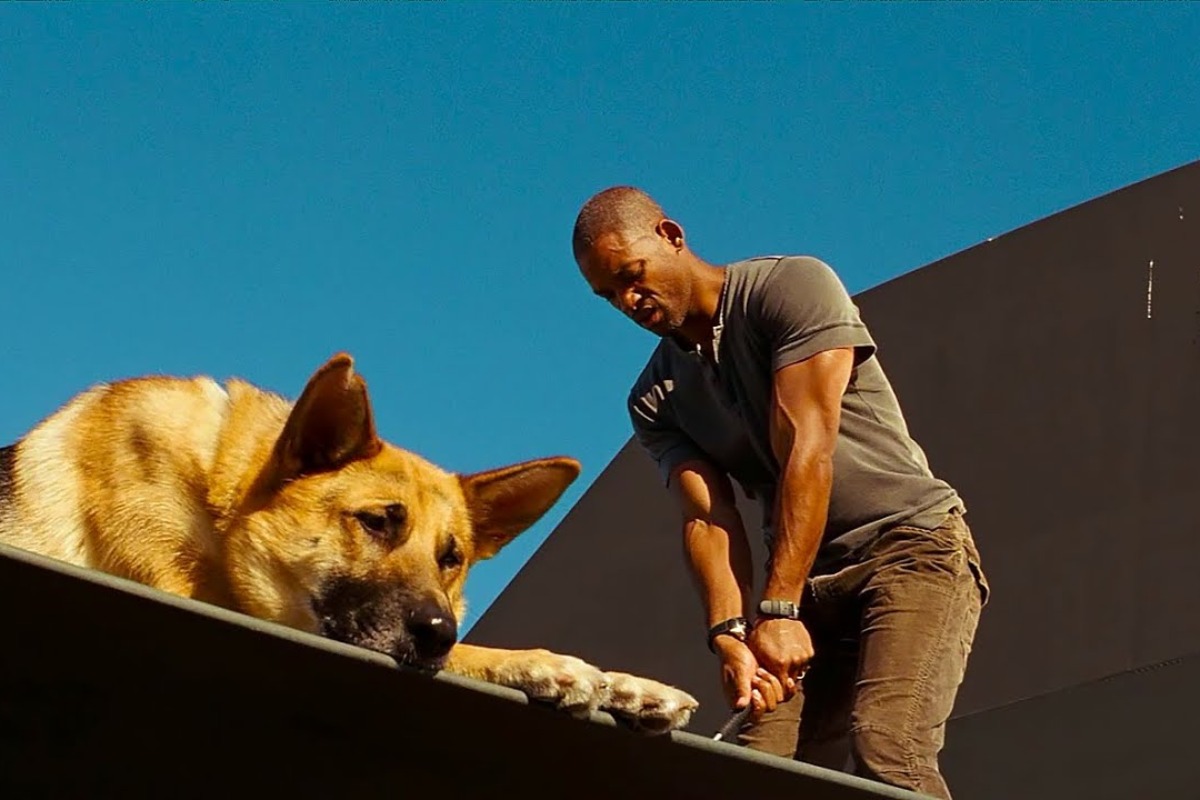
Will Smith’s journey in Hollywood has been defined by groundbreaking roles, cultural phenomena, and, at times, unexpected challenges. Among his many cinematic achievements, one film stands out as a paradox: I Am Legend, a box office smash that critics and audiences initially despised but ultimately became a cultural touchstone. What makes this film so contentious? The answer lies in a behind-the-scenes revelation that few know.
According to industry insiders, the original ending of I Am Legend was met with immediate backlash at test screenings. Audiences and critics reportedly booed the film’s conclusion, deeming it overly dramatic and emotionally manipulative. This wasn’t a minor quirk but a significant issue that affected the film’s final edit. The controversy centered around Will Smith’s decision to alter the ending after feedback from focus groups and early viewers.
Why Did the Ending Get Boos?
At the time, the film’s narrative was praised for its dark, apocalyptic tone and Smith’s intense performance as a lone survivor in a post-apocalyptic world. However, the original ending—a climactic confrontation with the virus—was perceived as too predictable and lacking emotional payoff. Critics argued that it diluted the film’s thematic depth, which had been built around themes of survival, isolation, and resilience.
- The original ending omitted key character arcs that would have deepened the emotional stakes of the story
- Early audience reactions highlighted a disconnect between the film’s intended message and its execution
- Focus groups identified the ending as 'too rushed' for a film that aimed to be a psychological thriller
Smith’s team responded by reshaping the ending to better resonate with viewers. The revised version, which added a more nuanced, character-driven resolution, ultimately became the film’s emotional climax and a defining moment in his career.
How This Reveals Hollywood’s Creative Process
What happened with I Am Legend highlights a critical phase in filmmaking: the iterative process of refining a story based on real-time audience feedback. This isn’t unique to Smith’s film—it’s a standard practice in modern cinema. Yet, the scale of the backlash at test screenings was unprecedented for a film with such high commercial potential.
By focusing on the audience’s emotional response, the film’s team adapted the ending to align with what viewers wanted to see. This change not only saved the film from potential failure but also established a new standard for balancing artistic vision with audience expectations.
The story of I Am Legend is more than just a film’s history—it’s a case study in how creative decisions can be shaped by real-world feedback. It shows that even the most successful films need to evolve through collaboration and adaptability.