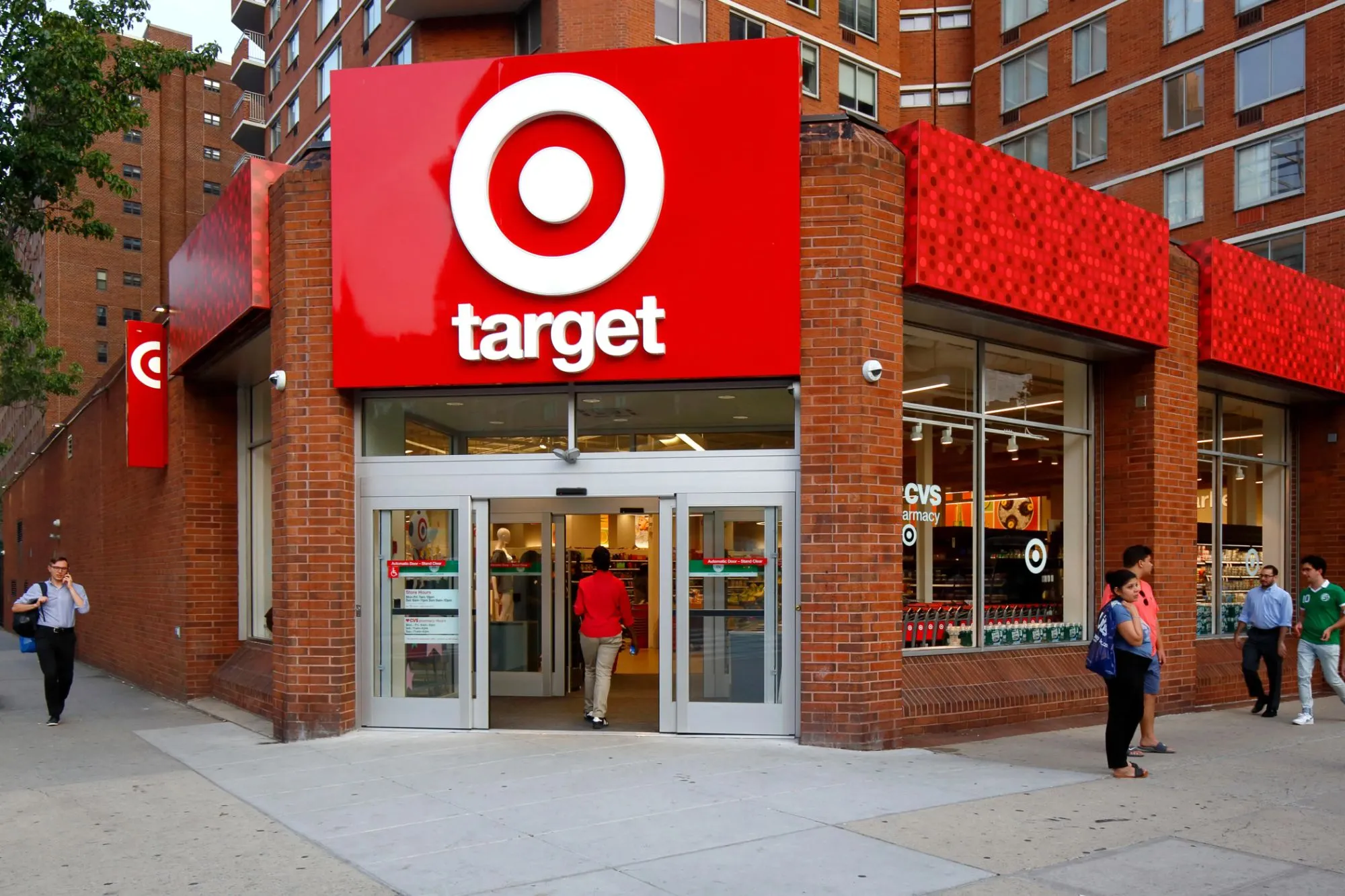
Target’s recent decision to implement a uniform dress code across its 2,000 stores globally marks a pivotal moment in retail branding and employee engagement. This move, set to roll out this summer, reflects a broader strategic shift toward visual consistency and brand alignment. Unlike previous localized adjustments, this policy ensures every employee—whether in a bustling urban store or a rural outpost—adheres to a standardized look, from the color of their shirt to the style of their footwear. The initiative is not merely about compliance; it’s a deliberate effort to enhance customer trust and streamline the shopping experience.
Why Uniformity Matters in Modern Retail
Historically, retail brands have relied on varying employee attire to suit local markets or seasonal trends. However, in an era where consumer expectations demand seamless, predictable experiences, Target’s shift to a single dress code represents a bold step toward operational efficiency. By standardizing uniforms, Target aims to eliminate confusion and reduce the time spent on individualized adjustments, which has been a common pain point in multi-location retail chains. This change aligns with the company’s recent focus on cost-saving measures, as highlighted by its strategic realignment of store layouts and inventory management systems.
What Does This Mean for Store Staff?
- Enhanced brand recognition: A consistent look across all 2,000 stores helps customers identify Target’s stores quickly and builds familiarity with the brand’s identity.
- Reduced training time: Staff no longer need to adapt to multiple styles, allowing them to focus on customer service and operational tasks.
- Improved safety and professionalism: Uniforms reduce the risk of miscommunication and create a cohesive environment that reinforces the company’s commitment to quality service.
The decision has also drawn investor attention, with financial analysts noting that the move could positively impact Target’s stock performance by reducing operational costs and improving brand perception. In a market where consumer trust is increasingly tied to visual consistency, this shift could serve as a model for other retailers looking to streamline their operations.