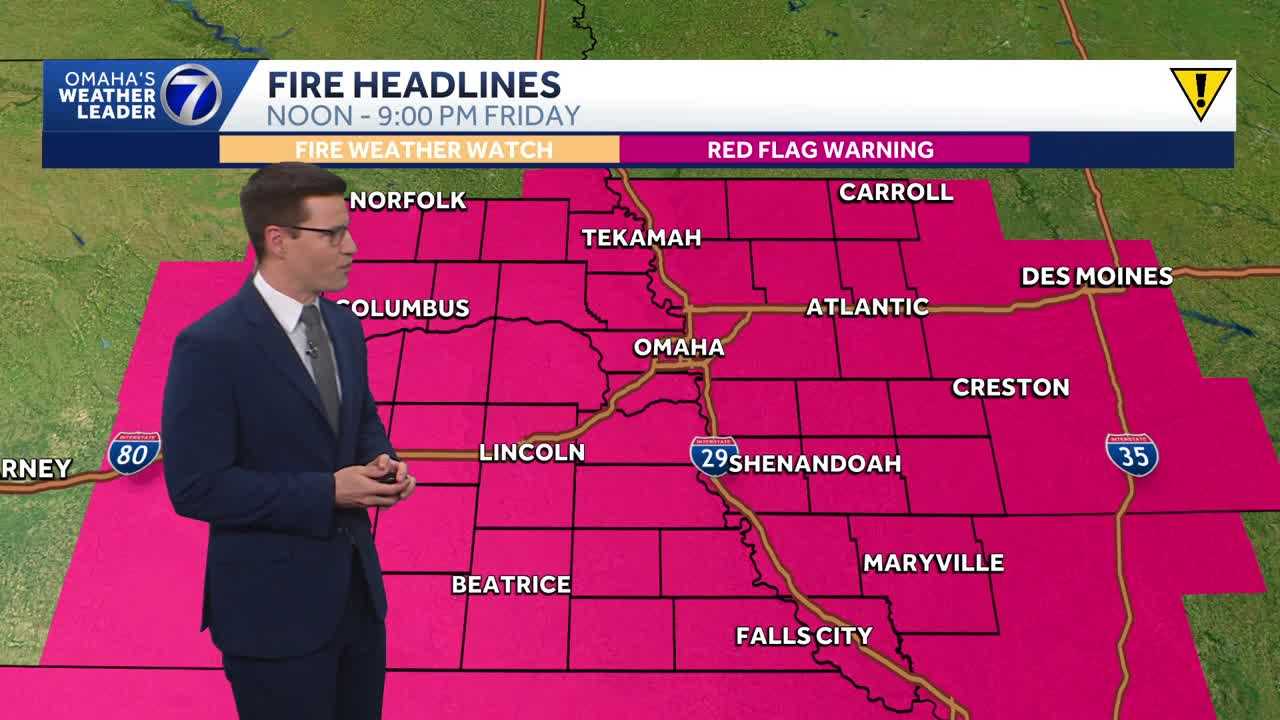
As the summer heat wave begins to ease across the Midwest, a critical weather phenomenon known as the 'red flag warning' is taking center stage. This alert, issued by the National Weather Service, signals a dangerous combination of high temperatures, low humidity, and strong winds that can ignite wildfires with alarming speed.
What Exactly Is a Red Flag Warning?
Unlike standard weather alerts, a red flag warning is not about rain or storms but about fire risk. It's a specific alert that the National Weather Service issues when conditions are deemed to create a significant risk for wildfire ignition and spread. These warnings typically last 24 to 48 hours and are issued when the combination of high temperatures, low humidity, and strong winds creates an environment where even small sparks can ignite dangerous fires.
Recent data shows that in the past week, from the Twin Cities to Omaha and Iowa, multiple regions are experiencing these conditions. For example, in Minneapolis, high pressure is moving in Friday afternoon, setting the stage for the coldest day of the week with highs in the upper 30s—nearly 20 degrees below average. This sharp temperature drop is part of a broader pattern of cooling that's reducing fire danger across the region.
But this cooling trend isn't uniform. In Omaha, a red flag warning has been issued due to 'breezy and cooler' conditions, with light winds adding to the fire risk. The National Weather Service emphasizes that even a slight drop in temperature can significantly reduce fire danger, but only if the wind remains steady and dry.
Why Does This Matter Now?
Understanding the shift from high fire danger to a more stable, cooler period is crucial for residents. When the 'red flag warning' is issued, it's because conditions are perfect for fire ignition—high temperatures, low humidity, and strong winds. The key to avoiding fire is to stay informed about these warnings and take preventive measures.
- Preventive action: Clear debris, avoid outdoor activities during peak fire risk hours.
- Fire safety: Keep a fire extinguisher handy and have an emergency plan in place.
- Community awareness: Stay updated on local weather conditions and red flag alerts.
For instance, in Iowa, where 'gusty north winds' are keeping temperatures cool and fire danger high, residents need to be aware that even a slight increase in wind can turn a seemingly safe day into a fire hazard.
The timing of these weather shifts is critical. A red flag warning often precedes the start of a fire season, and the Midwest's recent cooling trend is a reminder that even as temperatures drop, fire risk can remain high due to the combination of wind and dry conditions.
As the week progresses, the 'red flag warning' is set to shift as the weather system changes. This transition is a natural part of the seasonal cycle, but it's important to understand the specific conditions that trigger these warnings to stay safe.