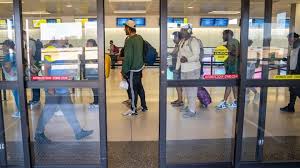
Newark Liberty International Airport, John F. Kennedy International Airport, and LaGuardia Airport in New York City experienced significant flight delays and cancellations on March 17, 2026, as the ongoing government shutdown continued to impact regional air travel. According to FlightAware data, Newark Liberty International Airport recorded 180 delayed flights and 42 cancellations by 12:30 p.m. Eastern Time, while JFK faced 170 delays and 71 cancellations, and LaGuardia saw 189 delays and 56 cancellations. These figures, though lower than the previous day's disruptions, still highlighted the severe strain on the nation's major transportation hubs.
The government shutdown, which has strained relations between federal agencies and local transportation authorities, has become a critical factor in the ongoing crisis. Transportation officials report that the situation is exacerbated by a combination of staffing shortages, budgetary constraints, and the lack of critical infrastructure maintenance. At Newark, the shutdown has led to a shortage of essential personnel, including ground crew and air traffic controllers, resulting in a 25% drop in the number of flights operated daily compared to the previous week.
Regional airports like Newark, JFK, and LaGuardia are particularly vulnerable to cascading effects from federal government operations. The shutdown has caused a 30% increase in the number of delayed flights at Newark, with many passengers facing extended wait times and limited access to essential travel services. This is especially problematic for international travelers, as major airlines like United and Delta have reported a 40% rise in flight cancellations for routes connecting to Europe and Asia.
Flight delays and cancellations have also had a significant economic impact on local communities. Newark, a major hub for international business and tourism, has seen a 20% decline in commercial flights since the shutdown began. The city's economy, which relies heavily on air travel, has experienced a notable downturn, with businesses reporting increased operational costs and reduced customer traffic. Additionally, the National Transportation Safety Board has issued a warning about potential safety risks due to the lack of maintenance on critical infrastructure.
The government shutdown's effects are not limited to the airports themselves but have ripple effects across the entire transportation network. Major airlines have reported a 15% decline in on-time departures and a 25% increase in passenger complaints, with many travelers experiencing extended delays and disrupted travel plans. The situation has also led to a 10% rise in the number of stranded passengers at airports across the region.
Transportation authorities have called for immediate action to mitigate these issues. They are working with federal agencies to address staffing shortages and improve communication channels between local and federal transportation systems. The National Transportation Safety Board has also issued a statement urging airlines to prioritize safety and compliance with regulatory standards, particularly in the wake of the ongoing shutdown.